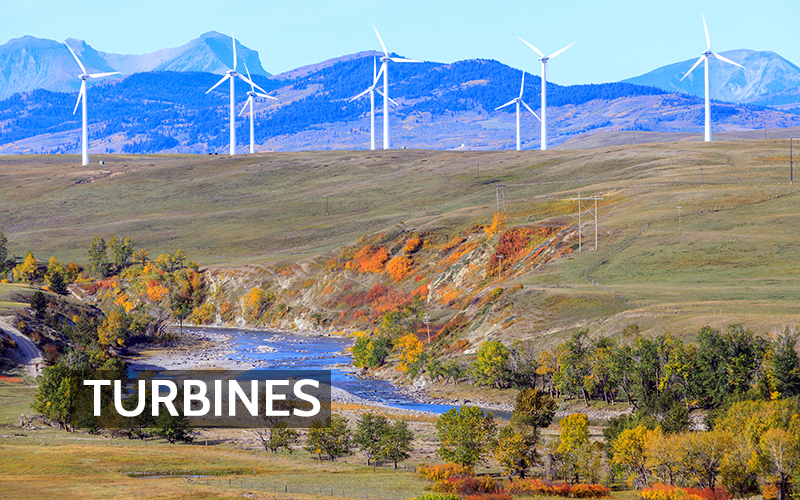
Wind turbines are unusual among large power-generating systems because the energy source arrives at the facility already moving. There is no coal to burn, natural gas to ignite, or fuel oil to deliver. Wind pushes against the turbine blades, turning a generator that produces electricity.
This means an operating wind turbine produces essentially no direct combustion-related air pollution. It does not normally release sulfur dioxide, nitrogen oxides, carbon monoxide, soot, or carbon dioxide while generating electricity.
That does not mean wind power has no connection to air quality. Manufacturing turbines, building wind farms, transporting components, and maintaining the electrical grid all produce emissions. At the same time, wind generation can reduce emissions elsewhere when it replaces electricity that would otherwise have been produced by burning fossil fuels.
A Turbine Does Not Burn Fuel
A modern wind turbine converts kinetic energy from moving air into electrical energy. Wind turns the blades, which rotate a shaft connected to a generator. Electricity then travels through transformers and transmission equipment before entering the power grid.
Because there is no combustion during normal operation, there is no continuous exhaust plume.
This is important when comparing wind with coal- and natural-gas-fired power plants. Combustion can produce nitrogen oxides, which contribute to ground-level ozone, and sulfur dioxide, which can form fine sulfate particles. Fossil-fuel plants may also release directly emitted particulate matter, carbon monoxide, hazardous air pollutants, and carbon dioxide.
When wind generation allows these plants to produce less electricity, some of those emissions can be avoided.
Exactly how much pollution is prevented depends on the electrical grid. A wind farm replacing coal generation may have a different effect than one operating within a grid already dominated by nuclear, hydroelectric, solar, or other low-emission sources.
Wind Turbines Do Not Clean the Air
It is important to make a distinction between producing clean electricity and actually cleaning air.
A wind turbine does not work like a giant air purifier. Its blades do not remove particulate matter, gases, or other pollutants as air passes through them. Pollution moving toward a wind farm generally continues traveling with the atmosphere.
The air-quality benefit is indirect. Each unit of electricity generated by wind may reduce the need to generate that electricity somewhere else using combustion.
For communities near heavily used fossil-fuel power plants, reductions in combustion can mean lower regional emissions of sulfur dioxide, nitrogen oxides, and particulate pollution.
Building a Wind Farm Produces Emissions
Before a wind turbine begins producing electricity, substantial manufacturing and construction must occur.
Large turbines require steel, concrete, copper, fiberglass or other composite materials, electronic components, and specialized equipment. Producing steel and cement involves industrial processes that consume energy and can create particulate matter, nitrogen oxides, sulfur compounds, carbon dioxide, and other emissions.
Concrete foundations may contain hundreds of tons of material, while towers, nacelles, and blades must be manufactured and transported to the site. Large trucks, cranes, bulldozers, excavators, and other diesel equipment may operate during construction.
Preparing access roads and foundation areas can also disturb soil and generate dust. Construction companies may use water trucks, stabilized road surfaces, speed restrictions, equipment maintenance, and other dust-control practices to protect workers and surrounding communities.
These emissions occur mostly before and during construction rather than continuously throughout the turbine’s operating life.
Maintenance Has Its Own Air-Quality Considerations
Wind turbines require regular inspections, lubrication, component replacement, and occasional major repairs. Maintenance vehicles and service equipment can produce exhaust, particularly at remote wind farms where technicians must travel considerable distances.
Gearboxes and mechanical systems may contain oils, hydraulic fluids, and lubricants, but these materials are generally contained within the turbine rather than routinely released into the atmosphere.
Backup generators and construction equipment may occasionally operate at turbine sites or substations. Their emissions are relatively small compared with a continuously operating combustion power plant but still form part of the facility’s total environmental footprint.
Offshore wind projects have additional considerations. Construction vessels, service ships, port equipment, and installation machinery may burn marine fuels or diesel. Ports supporting large offshore projects may therefore need to manage temporary increases in vessel and equipment emissions during construction.
What Happens When the Wind Stops?
Wind power is variable. A turbine produces more electricity during favorable wind conditions and less when winds become weak.
The electrical grid must continuously balance electricity production with demand. Natural-gas plants, hydroelectric facilities, nuclear plants, energy storage, electricity imported from neighboring regions, and other resources can all participate in maintaining that balance.
Critics sometimes argue that fossil-fuel plants cycling up and down to support wind generation eliminate wind’s emissions advantage. Cycling can create some additional fuel consumption and emissions, but studies of modern electrical grids generally find that these increases are much smaller than the emissions avoided when wind displaces fossil-fuel generation.
Energy storage and expanded transmission can further change this relationship. Batteries can store surplus electricity during periods of strong wind and return it to the grid later, while transmission lines allow wind energy produced in one region to serve customers somewhere else.
The air-quality effect of a wind farm therefore depends partly on the larger electrical system surrounding it.
Wind Farms and Local Air Movement
A wind turbine also physically changes the movement of air immediately around it.
As the rotor extracts energy from the wind, it creates an area of slower, more turbulent air behind the turbine known as a wake. Wind farms are designed with spacing between turbines partly because these wakes can reduce the performance of turbines located farther downwind.
Turbine wakes can influence local atmospheric mixing, especially close to large wind farms. However, this is different from creating or removing conventional air pollution. Wind turbines are not considered significant direct sources of particulate matter or gaseous air pollutants during normal operation.
Local air-quality concerns are therefore usually greatest during construction rather than once the project is generating electricity.
Looking at the Entire Life Cycle
Evaluating wind energy requires examining more than what comes out of the turbine itself.
Researchers use life-cycle assessments to include emissions from raw-material extraction, manufacturing, transportation, construction, maintenance, and eventually decommissioning. Wind power does have emissions associated with these activities.
Its main distinction is that once construction is complete, electricity can be generated for years without continuously burning fuel. The longer and more efficiently the turbine operates, the more electricity those initial manufacturing and construction impacts are spread across.
Recycling can also reduce future impacts. Steel, copper, and several other turbine materials can already be recovered relatively easily. Composite turbine blades are more difficult to recycle, although new recycling and material-recovery technologies continue to be developed.
Wind power is therefore not completely free of air-quality impacts. Few large industrial systems are. Its advantage is that most emissions occur around manufacturing, construction, and supporting activities rather than every time electricity is produced.
For air quality, that difference matters. A wind turbine may stand in the same field for decades, turning whenever the weather allows, without a smokestack, fuel delivery, or continuous exhaust plume. Its greatest influence on the air may ultimately come from the pollution that does not need to be produced somewhere else.
References
- https://www.eia.gov/energyexplained/wind/wind-energy-and-the-environment.php
- https://www.energy.gov/cmei/systems/articles/how-wind-can-help-us-breathe-easier
- https://www.energy.gov/cmei/systems/articles/study-finds-air-quality-and-environmental-benefits-recent-wind-and-solar
- https://www.energy.gov/cmei/systems/wind-vision-1
- https://www.energy.gov/sites/prod/files/2014/05/f16/wind_air_emissions.pdf
- https://research-hub.nrel.gov/en/publications/wind-lca-harmonization-fact-sheet-nrel-national-renewable-energy-
- https://hero.epa.gov/reference/3330183/
- https://www.epa.gov/statelocalenergy/local-renewable-energy-benefits-and-resources
- https://www.eia.gov/energyexplained/electricity/electricity-and-the-environment.php