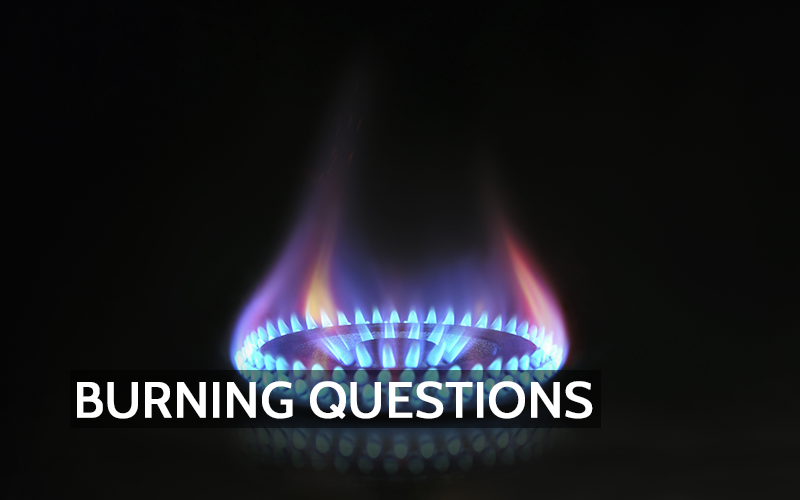
Gas stoves are a familiar part of millions of kitchens. Many cooks prefer the immediate heat, visible flame and precise control they provide. However, every open flame also acts as a small combustion source inside the home.
When natural gas or propane burns, it releases heat along with a mixture of gases and microscopic particles. Some come directly from the fuel, while others form when the flame reacts with the surrounding air. Cooking food can produce additional smoke, grease droplets and particulate matter regardless of whether the stove is gas or electric.
The effect on indoor air quality depends on how often the stove is used, how well it burns, the size of the kitchen and whether pollutants are exhausted outdoors. A gas stove does not automatically make a home dangerous, but poorly ventilated cooking can create short periods of elevated indoor pollution, especially in small or tightly sealed homes.
A Combustion Source Inside the Kitchen
Unlike a furnace or water heater, a residential gas stove is usually not connected directly to a chimney or dedicated exhaust pipe. Its combustion products enter the kitchen first.
A properly functioning blue flame burns natural gas more efficiently than a weak, uneven or persistently yellow flame. Even under good operating conditions, however, the burner still produces pollutants.
The most important of these is nitrogen dioxide, commonly abbreviated as NO2. Carbon monoxide, carbon dioxide, formaldehyde, benzene and microscopic particles may also be released in varying amounts.
The amount produced changes with the burner design, fuel mixture, flame setting and condition of the appliance. A large oven operating for an hour can affect indoor air differently from a single burner used briefly to boil water.
Nitrogen Dioxide and the Respiratory System
Nitrogen dioxide forms when the high temperature of the flame causes nitrogen and oxygen in the surrounding air to react.
NO2 is a reactive gas that irritates the eyes, nose, throat and respiratory tract. Short-term exposure may cause coughing, wheezing or a feeling of tightness in the chest. Repeated exposure can contribute to airway inflammation and increased sensitivity to other respiratory irritants.
Children and people with asthma are generally considered especially vulnerable. Studies have associated indoor nitrogen dioxide with increased respiratory symptoms among children who already have asthma, including wheezing, nighttime symptoms and greater use of rescue medication.
Research has also reported associations between gas cooking and childhood asthma. However, determining exactly how many asthma cases are caused by gas stoves remains difficult. Families differ in ventilation, cooking habits, housing conditions, outdoor pollution and many other factors. Some reviews have found consistent respiratory associations, while others have concluded that the available studies are too varied to establish a simple direct cause.
The uncertainty surrounding the exact asthma risk does not change the basic air-quality finding: gas burners produce nitrogen dioxide, and ventilation helps reduce exposure.
Carbon Monoxide and Poor Combustion
Carbon monoxide is a colorless and odorless gas created when fuel does not burn completely. A properly adjusted modern stove generally produces relatively low amounts, but emissions can increase when burners are dirty, damaged or incorrectly adjusted.
A persistent yellow or orange-tipped flame can be a sign of incomplete combustion, although brief orange flashes may also be caused by dust or substances in the air. Soot forming on cookware is another warning that a burner may not be operating correctly.
Carbon monoxide prevents the blood from carrying oxygen normally. Early symptoms of exposure can include headache, dizziness, weakness, nausea and confusion. Because these symptoms resemble the flu or food poisoning, people may not immediately recognize the cause.
The greatest carbon monoxide danger occurs when a gas oven or stove is misused to heat a home. The appliance may then operate continuously without the ventilation or safety systems found in a properly installed heating system.
Gas stoves should never be used as space heaters, and every home with fuel-burning equipment should have functioning carbon monoxide alarms.
Benzene, Formaldehyde and Other Gases
Research has identified additional pollutants associated with gas-stove combustion.
One study conducted in homes in California and Colorado found that natural gas and propane flames produced detectable benzene. In some houses, benzene moved beyond the kitchen and remained elevated in bedrooms for hours after cooking had ended.
Benzene is a known human carcinogen associated with blood disorders and leukemia following sufficient long-term exposure. A single cooking event does not mean that a person will develop cancer, but repeated emissions can add to the many small chemical exposures encountered throughout daily life.
Gas combustion can also produce formaldehyde and other volatile organic compounds. Their concentrations vary depending on burner operation, ventilation and the surrounding environment.
These gases are important because people spend much of their time indoors. A pollutant released in a kitchen may spread through hallways, living rooms and bedrooms rather than remaining beside the stove.
Cooking Creates Particles Too
Not all kitchen pollution comes from the fuel.
Heating oils, frying meat, browning food and allowing ingredients to burn can produce large numbers of fine and ultrafine particles. These emissions occur on both gas and electric stoves.
Cooking temperature is often one of the most important factors. Oil heated past its smoke point releases visible smoke and microscopic droplets. Broiling, searing and frying generally produce more airborne material than boiling, steaming or cooking at lower temperatures.
A gas stove adds combustion pollutants to these food-generated emissions. A frying pan on a gas burner may therefore create particles from the food and oil while the flame simultaneously releases nitrogen dioxide and other gases.
This distinction matters when comparing stove types. Replacing a gas stove with an electric or induction model removes pollutants produced by the flame, but it does not eliminate smoke and particles created by cooking itself. Ventilation remains valuable in every kitchen.
Why Kitchen Size and Home Design Matter
The same stove can create very different exposures in different homes.
In a large kitchen with high ceilings and strong outdoor ventilation, pollutants may be diluted and removed relatively quickly. In a small apartment with a closed kitchen and no exhaust fan, the same amount of pollution can reach a much higher concentration.
Newer energy-efficient homes can also retain indoor contaminants because they are designed to limit uncontrolled air leakage. This is helpful for heating and cooling efficiency, but it makes deliberate ventilation more important.
Pollution may also remain in the home after the burner is turned off. Air circulates between rooms, and gases can travel through open doorways or ventilation systems. Bedrooms near the kitchen may receive part of the exposure even when their occupants are not cooking.
Children can receive proportionally greater exposure because they breathe more air relative to their body size than adults and may spend more time inside the home.
Range Hoods Are Not All the Same
A range hood is usually the most effective tool for reducing cooking-related indoor pollution, but only when it captures the contaminated air and sends it outdoors.
Ducted hoods pull air from above the stove and discharge it through an exterior wall or roof. Recirculating hoods pass air through a grease filter, and sometimes a carbon filter, before returning it to the kitchen.
Recirculating systems can capture some grease and particles, but they are generally less effective at removing combustion gases such as nitrogen dioxide and carbon monoxide. A hood that is externally vented is preferable for a gas stove.
Performance also varies widely among hood designs. Airflow, hood size, distance from the cooktop and burner location all affect how much pollution is captured. Research has found that emissions from back burners are often captured more effectively because they sit farther beneath the hood.
The fan must also be turned on. Many people use their range hood only when they see smoke, but invisible gases begin forming as soon as the burner lights.
Reducing Exposure Without Replacing the Stove
Households can take several practical steps to reduce cooking-related pollution.
Use an externally vented range hood whenever a burner or oven is operating. Turn it on before cooking begins and allow it to continue running for several minutes after the flame is turned off. Higher fan settings may be necessary when frying, broiling or using multiple burners.
Using the back burners can improve capture when the hood is mounted against a wall. Keeping pans centered over the burner also helps the rising plume of heat and pollution move toward the hood.
When an externally vented hood is unavailable, opening a nearby window can increase dilution, provided outdoor air quality is acceptable. A portable fan placed in or near the window may help move contaminated air outside, but it should be positioned so that it does not disrupt the burner flame.
Burners should be kept clean and professionally serviced if they burn unevenly, create soot or maintain an unusual flame color. Residents should never attempt to modify gas controls themselves.
Cooking at slightly lower temperatures, using lids and avoiding burned food can reduce particle production from the meal itself. Countertop induction plates, electric kettles, toaster ovens and other electric appliances can also reduce the amount of time the gas burners operate.
Switching to Electric or Induction Cooking
Electric resistance and induction stoves do not burn fuel inside the kitchen. As a result, they do not produce the nitrogen dioxide, carbon monoxide or benzene associated with a gas flame.
Induction cooktops create heat through an electromagnetic field that warms compatible cookware directly. They can provide rapid temperature changes similar to gas while releasing less waste heat into the room.
Changing appliances may not be practical for renters or households that would need electrical upgrades. In those cases, improved ventilation and careful stove maintenance can still meaningfully reduce exposure.
Air cleaners may help capture particles produced by cooking, particularly when equipped with an appropriate particle filter. Standard particle filters, however, do not remove nitrogen dioxide or carbon monoxide. Source control and outdoor exhaust remain more effective for combustion gases.
Treating the Kitchen as an Air-Quality Environment
Gas stoves have been used for generations, which can make their emissions easy to overlook. The flame appears clean, the fuel produces little visible smoke and most cooking events last only a short time.
Indoor air quality is shaped by repeated small events, however. Breakfast, boiling water, baking dinner and heating a late-night meal can create several pollution peaks over the course of a day.
The goal is not to create fear around ordinary cooking. It is to recognize that a flame inside a home releases combustion products and that those pollutants require a path outdoors.
A well-maintained stove, an effective exhaust hood, appropriate cooking habits and functioning carbon monoxide alarms can substantially reduce risk. Whether a household cooks with gas, electricity or induction, treating the kitchen as an important indoor air-quality environment can make the entire home healthier.
References
- https://www.epa.gov/indoor-air-quality-iaq/nitrogen-dioxides-impact-indoor-air-quality
- https://www.epa.gov/indoor-air-quality-iaq/sources-combustion-products
- https://www.epa.gov/indoor-air-quality-iaq/carbon-monoxides-impact-indoor-air-quality
- https://www.cpsc.gov/safety-education/safety-guides/home/inside-story-guide-indoor-air-quality
- https://www.cdc.gov/carbon-monoxide/about/index.html
- https://energyanalysis.lbl.gov/news/range-hood-advice-indoor-air-quality
- https://eta.lbl.gov/news/12155/berkeley-lab-study-assesses-residential-cooking-exhaust-hoods-ability-to-vent-pol
- https://www.science.org/doi/10.1126/sciadv.adm8680
- https://pubs.acs.org/doi/10.1021/acs.est.2c09289
- https://pubmed.ncbi.nlm.nih.gov/23962958/
- https://pmc.ncbi.nlm.nih.gov/articles/PMC10446006/