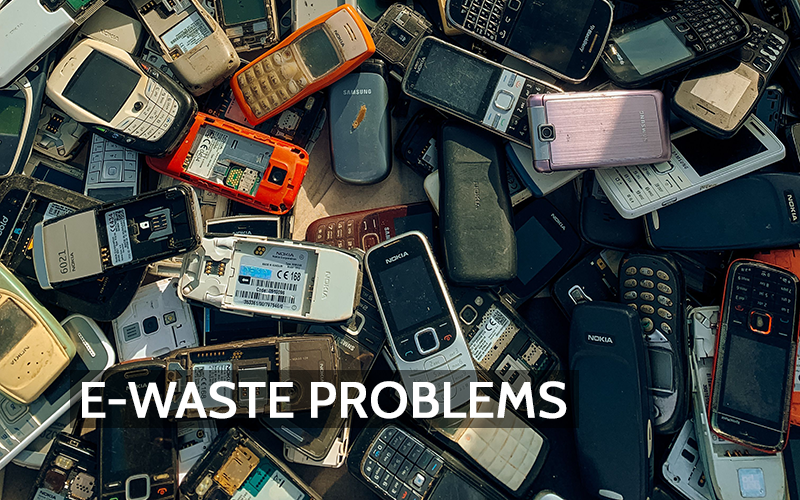
An old computer contains copper wiring, plastic housings, metal frames, and circuit boards that can supply materials for new products. Recycling helps recover these resources and reduces the need for new raw materials. However, taking electronics apart can release trapped dust and create new particles from their components. Air quality depends on how facilities handle each step, from opening a case to recovering its metals.
Dismantling Opens the Dust Pathway
Workers sort incoming equipment and identify items suitable for repair, reuse, or recycling. During dismantling, they remove cases, circuit boards, cables, drives, and batteries. Opening dusty equipment can disturb material collected during years of use, while cutting or breaking components can produce additional particles. Older equipment needs particular attention because some monitors contain leaded glass or mercury-containing backlights. The materials present depend on the device’s age and design.
The resulting dust can contain lead, cadmium, nickel, copper, and fragments of plastic or circuit-board material. Some plastics and resins also contain flame retardants, including brominated chemicals, that can move into dust during processing. These substances have different health effects, so measuring the amount of dust alone does not reveal its full hazard. Lead can damage the nervous system and kidneys, while cadmium can damage the lungs and kidneys. Exposure depends on the chemicals present, their concentrations, and how they enter the body.
Shredding and Sorting Create More Particles
Shredders break equipment and separated components into smaller pieces so different materials can be recovered. This action can create fine dust, including particles small enough to reach deep into the lungs. Magnets remove iron-containing metals, while other separators recover nonmagnetic metals and sort remaining materials. Conveyors, sorting machines, and material dropping into collection bins can release or stir up dust. NIOSH investigations suggest workers at facilities that shred electronics may face greater metal exposure than those at facilities that only dismantle them.
Batteries Add a Different Air Hazard
Lithium-ion batteries require separate handling because crushing or puncturing them can trigger internal damage and rapid heating. This can develop into thermal runaway, a reaction in which rising temperatures drive further breakdown inside the battery. A failing battery may release flammable gases, and a fire can produce smoke, carbon monoxide, and toxic gases such as hydrogen fluoride. Identifying and removing batteries before ordinary electronics shredding helps prevent these incidents. Battery recycling itself requires equipment and procedures designed for that waste stream.
Material Recovery Can Introduce Heat and Fumes
Sorted circuit boards and metal-rich pieces may go to specialized plants for further recovery of copper and precious metals. Some processes use high-temperature furnaces, while others use chemical solutions to separate valuable materials. Heating scrap can generate metal fumes, and heated plastics or coatings can release hazardous gases and smoke. The emissions depend on the materials and process, making suitable capture and treatment essential. Uncontrolled burning of wires and boards can spread toxic pollution into surrounding communities.
Controlling Exposure Beyond the Machines
Enclosed equipment and local exhaust ventilation help capture dust where it forms, before it spreads through a building. Facilities also need to control emissions at conveyors, sorting stations, and collection points. HEPA-filtered vacuuming and suitable wet cleaning methods reduce settled dust without throwing it back into the air. Dry sweeping and compressed-air cleaning can increase exposure by making contaminated dust airborne again. Filter changes and dust-collector maintenance deserve particular attention because collected pollutants become concentrated there.
Dust can also settle on hands, clothing, food, and surfaces outside production areas. Workers may swallow contaminated dust or carry it home, extending exposure beyond the facility. Separate eating areas, effective hand cleaning, work-clothing management, and exposure monitoring help interrupt these pathways. Respiratory protection may also be needed, based on the hazards and effectiveness of other controls. Recovering useful materials responsibly therefore requires attention to both the recycling process and the pollution it can release.
References
- NIOSH: Metals, Flame Retardants, and Nanomaterials at an Electronics Recycling Company
- NIOSH: Metals and Flame Retardants at an Electronics Recycling Company
- CDC: Lead and Cadmium Exposure in Electronic Recyclers
- NIOSH: Controlling Hazardous Materials in Electronics Recycling
- OSHA: Lithium-ion Battery Safety
- OSHA: Safety and Health Hazards in Metal Scrap Recycling
- U.S. GAO: Consumer Electronics Recycling
- World Health Organization: Electronic Waste