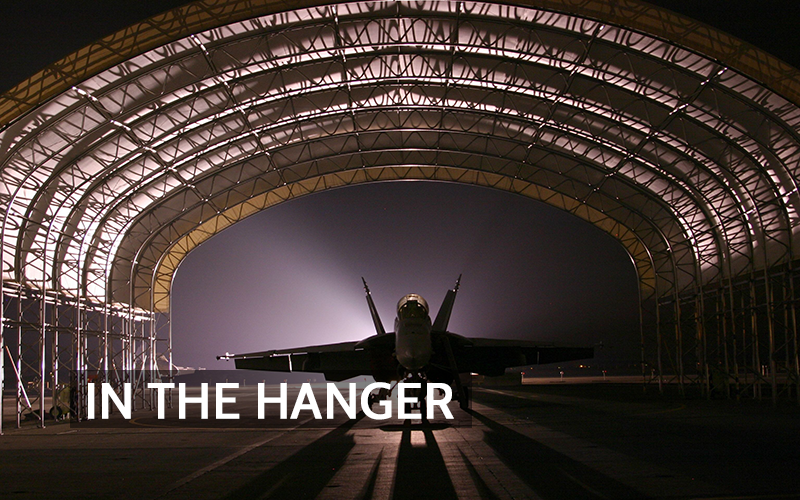
A parked aircraft can be surrounded by several kinds of air pollution while mechanics clean, repair, and repaint it. Some contaminants come from the work itself, while others arrive from activity outside the hangar. High ceilings and enormous indoor volumes can make the space seem well ventilated. Protecting workers, however, depends on where pollutants form and how air moves around the aircraft.
Exhaust Can Arrive From Outside
Air quality can be affected even when the aircraft being repaired has its main engines off. Nearby aircraft engines, auxiliary power units, and fuel-burning ground equipment can produce exhaust around hangar doors and air intakes. An auxiliary power unit is a small onboard engine that supplies power while the main engines are stopped. These sources can emit carbon monoxide, nitrogen oxides, and very small particles. If wind or building airflow pulls the exhaust indoors, it becomes part of the hangar’s air.
Cleaning, Fuel, and Metal Repairs
Cleaning and degreasing can release solvent vapors from parts, wiping cloths, and open containers. Many of these chemicals are volatile organic compounds, or VOCs, which evaporate readily into the air. Opening fuel systems or handling fuel can release additional hydrocarbon vapors. At sufficient concentrations, some solvent and fuel vapors can cause eye irritation, headaches, or dizziness. The chemicals present and the amount released vary with the product and maintenance task.
Metal repair adds another type of air pollution. Welding and torch cutting can create fumes made of tiny particles from the metal, filler material, and surface coatings. These particles can reach deep into the lungs, while some welding processes also produce irritating gases. Hot work needs careful separation from fuel and solvent vapors because these can create fire hazards.
Paints Create Both Mist and Dust
Some aircraft primers contain chromates that protect metal from corrosion. Chromates contain hexavalent chromium, a form of the metal linked to lung cancer. Spraying these coatings creates airborne paint droplets, while sanding old coatings can create dust containing chromium. Some polyurethane topcoats also contain isocyanates, chemicals that can cause work-related asthma. Solvents continue evaporating as coatings dry, so exposure can continue after spraying stops.
Why Hangar Size Does Not Guarantee Clean Air
General ventilation replaces contaminated air throughout a hangar with cleaner air, lowering average pollutant concentrations. High ceilings and large floor areas do not guarantee that fresh air reaches every work position. Aircraft, platforms, and stored equipment can interfere with air movement, leaving poorly ventilated areas around wings and fuselages. NIOSH investigators have documented such areas in maintenance hangars, along with blocked or malfunctioning fans.
Capturing Pollution Where It Starts
Local exhaust ventilation captures contaminated air close to the task, before it mixes with the rest of the hangar. A movable extraction hood can draw welding fumes away from the worker’s breathing zone. Vacuum-assisted sanding tools collect dust as coatings are removed. These controls reduce the amount of pollution that general hangar ventilation must handle.
Painting small parts in an enclosed spray booth helps contain both overspray and vapors. Full-aircraft spray painting calls for specially designed paint bays with airflow that reaches work positions around the wings and fuselage. Clean air should move toward exhaust without carrying the spray cloud across other workers. Particle filters collect paint mist and dust, while solvent vapors need suitable exhaust or other systems designed to remove gases. Paint areas should also be separated from unrelated maintenance work.
Protecting Everyone in the Hangar
Using lower-hazard products where aircraft specifications allow can reduce emissions at the start. Keeping solvent containers and contaminated waste covered limits evaporation. Exposure monitoring should examine specific tasks and workers’ breathing zones, rather than relying only on measurements elsewhere in the building. Appropriate respiratory protection may still be necessary, especially during spraying or other work with high exposures. Regular airflow checks and filter maintenance help keep controls effective as equipment, aircraft positions, and work schedules change.
References
- NIOSH: Ventilation in Aircraft Maintenance and Restoration Hangars
- NIOSH: Exposure Control Measures for Aircraft Painting
- OSHA: Reducing Hexavalent Chromium Exposure During Aircraft Painting
- Kinsey and colleagues: Emissions From an Aircraft Auxiliary Power Unit
- NIOSH Pocket Guide: Kerosene
- UK Health and Safety Executive: Solvent Exposure and Controls
- UK Health and Safety Executive: Controlling Welding Fume