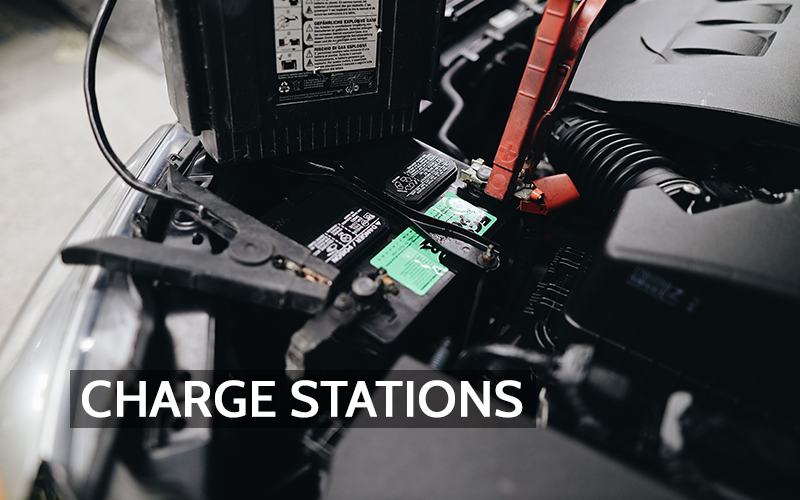
Battery-powered equipment has become common in warehouses, factories, data centers, hospitals, utilities, and many other workplaces. Forklifts, backup power systems, industrial vehicles, and energy storage equipment may depend on large rechargeable batteries that spend hours connected to chargers. Although charging appears to be a quiet electrical process, some batteries can release gases, heat, and chemical contaminants that make ventilation an important part of battery-room design.
The exact air-quality problem depends heavily on the type of battery being charged. Traditional lead-acid batteries can release hydrogen and electrolyte mist, while lithium-ion systems introduce different concerns related to overheating and thermal runaway. A safe charging area therefore needs to be designed around the specific battery technology it contains.
Lead-Acid Batteries Can Produce Hydrogen
Many industrial forklifts and backup systems still use flooded lead-acid batteries. During charging, electrical energy drives chemical reactions that restore the battery, but charging can also split water in the electrolyte into hydrogen and oxygen gases.
Hydrogen is especially important because it is extremely flammable and can ignite if enough accumulates around a spark or other ignition source. Because hydrogen is lighter than air, it tends to rise toward ceilings and other high points where poor ventilation may allow pockets of gas to form. Charging areas are therefore ventilated to dilute gases and prevent them from reaching dangerous concentrations.
Battery Acid Can Also Reach the Air
Flooded lead-acid batteries contain sulfuric acid mixed with water. Charging and bubbling inside the battery can sometimes create small droplets or electrolyte spray, particularly if batteries are damaged, overfilled, or improperly maintained.
Sulfuric acid mist can irritate and damage the eyes, skin, and respiratory system. Battery rooms therefore need more than ventilation alone, and facilities commonly include corrosion-resistant surfaces, spill-control supplies, eye-washing equipment, and protective equipment for employees who service batteries.
Keeping battery vent caps in good condition also matters. Their purpose includes allowing gases to escape while helping limit electrolyte spray as the battery charges.
Ventilation Keeps Gas From Accumulating
A charging room does not necessarily need enormous amounts of airflow, but it does need enough ventilation to prevent gases from collecting. OSHA specifically calls for adequate ventilation in industrial battery charging areas and for unsealed batteries to be located where gases and electrolyte spray will not escape into surrounding work areas.
Vent placement matters because hydrogen tends to move upward. A room with an exhaust opening near the floor may behave very differently from one designed to remove warm and buoyant gases near the ceiling.
Large charging areas may also use hydrogen detectors as another layer of protection. Monitoring can provide an early warning if gas concentrations begin increasing because of ventilation failure, unusual charging conditions, or a damaged battery.
Charging Stations Need Their Own Space
Battery charging is often concentrated in designated areas instead of occurring randomly throughout a warehouse. This makes it easier to provide ventilation, protect chargers from vehicle impacts, control ignition sources, and respond to spills.
Forklift charging stations are a common example. Large traction batteries may weigh hundreds or thousands of pounds, and facilities may have several batteries charging simultaneously during shift changes or overnight.
The number of batteries matters because several charging units can release more gas than one battery operating alone. Ventilation systems therefore need to reflect the size and use of the charging area rather than simply the dimensions of the room.
Heat Is Part of the Charging Process
Charging batteries also produces heat. Under normal conditions, this heat is managed by the battery, charger, and surrounding air, but excessive temperatures can shorten battery life and signal that something is wrong.
Warm rooms can also affect how charging equipment performs. Facilities containing many batteries and chargers may therefore require temperature control in addition to ventilation, particularly when charging equipment operates continuously.
Battery condition matters as well. Damaged cells, incorrect chargers, poor electrical connections, or improper charging settings can generate abnormal heat and increase the likelihood of other problems.
Lithium-Ion Batteries Create Different Concerns
Lithium-ion batteries generally do not release hydrogen during normal charging the way flooded lead-acid batteries can. This can reduce the need for ventilation specifically designed around normal hydrogen generation.
Their more serious air-quality concern appears when a battery is damaged, overheated, defective, or improperly charged. Under certain conditions, a lithium-ion cell can enter thermal runaway, a self-heating reaction that can spread from one cell to another.
A failing battery may release flammable and toxic gases, smoke, and very small particles. Depending on the battery chemistry and failure conditions, these emissions can include carbon monoxide, hydrogen fluoride, and other hazardous decomposition products.
Battery Rooms Are Changing
The shift toward lithium-ion forklifts, electric vehicles, and large energy storage systems is changing how charging facilities are designed. A room originally created around lead-acid batteries may not have the detection, fire protection, separation, or emergency controls needed for a large lithium-ion installation.
Modern energy storage standards therefore consider more than normal ventilation. Systems may incorporate gas detection, fire detection, emergency exhaust, separation between battery groups, temperature monitoring, and controls intended to limit the spread of thermal runaway.
This does not mean lithium-ion batteries constantly pollute the surrounding air. Under normal operation they are generally sealed systems, but facilities must be prepared for the much more serious atmosphere that can develop if a battery fails.
Charging the Battery Without Charging the Air
Battery charging rooms demonstrate how an apparently quiet electrical process can still affect indoor air. Lead-acid batteries can release hydrogen and acid-containing mist, while lithium-ion systems can generate hazardous gases and smoke during abnormal failure conditions.
Good design begins with understanding which batteries are present and how they behave. Ventilation, gas monitoring, temperature control, equipment maintenance, spill preparation, fire protection, and emergency planning can then be matched to the actual technology being charged.
As battery-powered equipment becomes more common, charging areas will become an increasingly important part of industrial buildings. Keeping the equipment powered safely also means making sure the air surrounding those batteries remains controlled.
References
- OSHA, Powered Industrial Trucks: Changing and Charging Storage Batteries
- OSHA, Batteries and Battery Charging Requirements
- OSHA, Lithium-Ion Battery Safety and Hazards
- OSHA, Warehousing Hazards and Battery Charging Stations
- U.S. Department of Energy, Lithium-Ion Battery Safety
- NFPA, Standard for the Installation of Stationary Energy Storage Systems