by Ryan Wilmot | Aug 26, 2026 | Articles
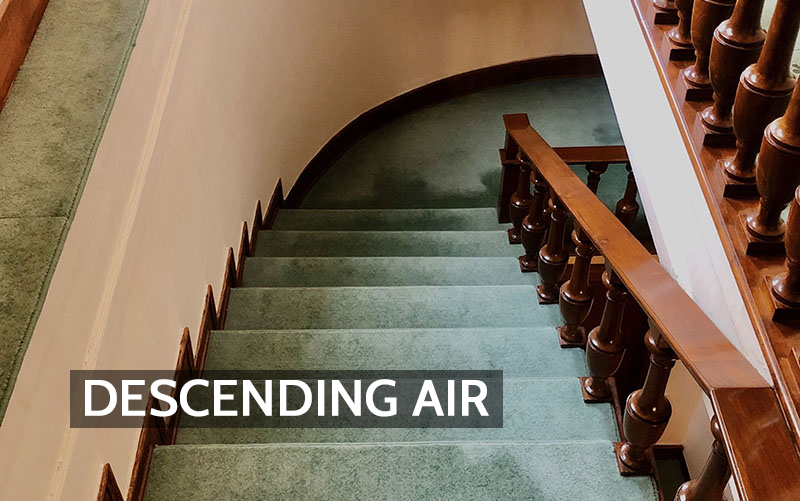
Indoor air is rarely still. In homes, offices, schools, hospitals, stores, and other buildings, air is constantly pushed by fans, pulled through vents, warmed by people and equipment, cooled by windows and exterior walls, and moved by differences in pressure. This...
by Ryan Wilmot | Aug 25, 2026 | Articles
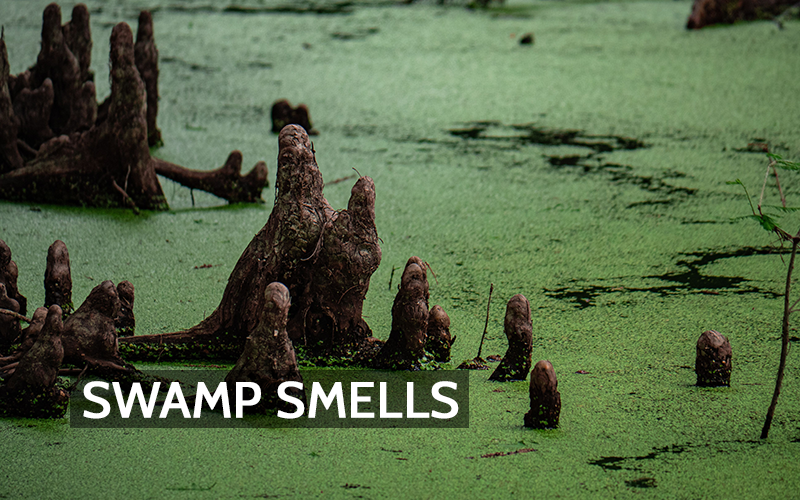
Swamps, marshes, bogs, and other wetlands are full of biological activity. Beneath the water, dead leaves, plant roots, algae, insects, and other organic material are constantly being broken down by microorganisms. Because waterlogged soil contains very little oxygen,...
by Ryan Wilmot | Aug 24, 2026 | Articles
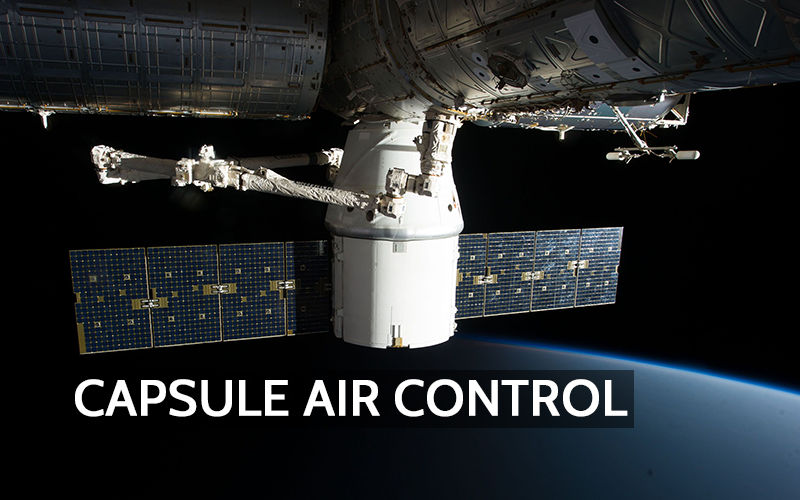
On Earth, a stuffy room has a simple solution: open a window. Astronauts aboard the International Space Station do not have that option. The station is a sealed environment surrounded by vacuum, so the air inside must be continuously circulated, cleaned, monitored,...

by Ryan Wilmot | Aug 23, 2026 | Articles
Air pollution is often treated as a problem created by factories, automobiles, and the Industrial Revolution. Those technologies dramatically increased the amount and variety of pollution entering the atmosphere, but unhealthy air existed thousands of years before the...

by Ryan Wilmot | Aug 22, 2026 | Articles
Coastal air is often described as fresh, clean, and salty. In many places, winds coming off the ocean can dilute urban pollution and replace stagnant air with cleaner marine air. But coastlines also create some of the most complicated air-quality environments on...
by Ryan Wilmot | Aug 21, 2026 | Articles
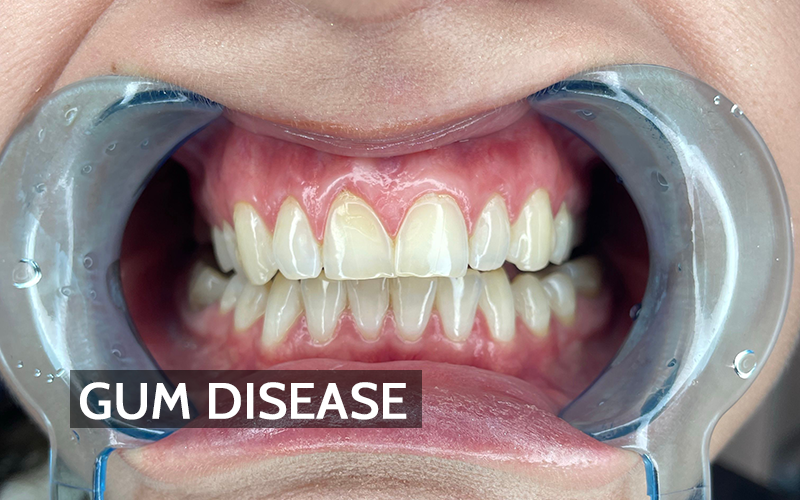
When people think about the health effects of air pollution, the lungs usually come first. Fine particles, ozone, smoke, and traffic pollution are closely associated with respiratory and cardiovascular health. The mouth receives much less attention. Yet the oral...



