by Ryan Wilmot | Oct 19, 2026 | Articles
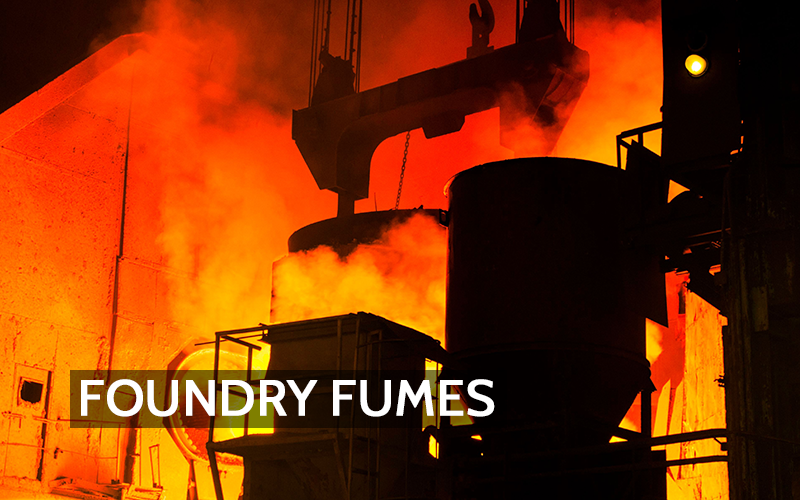
Metal foundries turn molten iron, steel, aluminum, and other metals into parts ranging from small machine components to enormous industrial castings. The process combines extreme heat with sand, binders, furnaces, grinding equipment, and heavy material handling. As a...
by Ryan Wilmot | Oct 18, 2026 | Articles
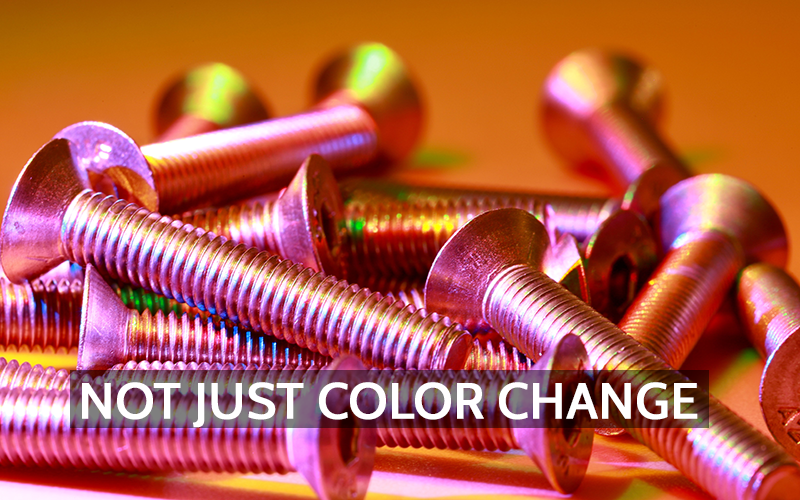
Electroplating can transform an ordinary metal part into a surface that is more resistant to corrosion, more durable, or more attractive. The process often involves moving parts through a series of chemical tanks for cleaning, acid treatment, plating, rinsing, and...

by Ryan Wilmot | Oct 17, 2026 | Articles
The smell of a freshly paved road comes from a construction process that begins long before asphalt reaches the street. At hot-mix asphalt plants, stone aggregate is heated and combined with asphalt binder before the mixture is loaded into trucks and transported to...
by Ryan Wilmot | Oct 16, 2026 | Articles
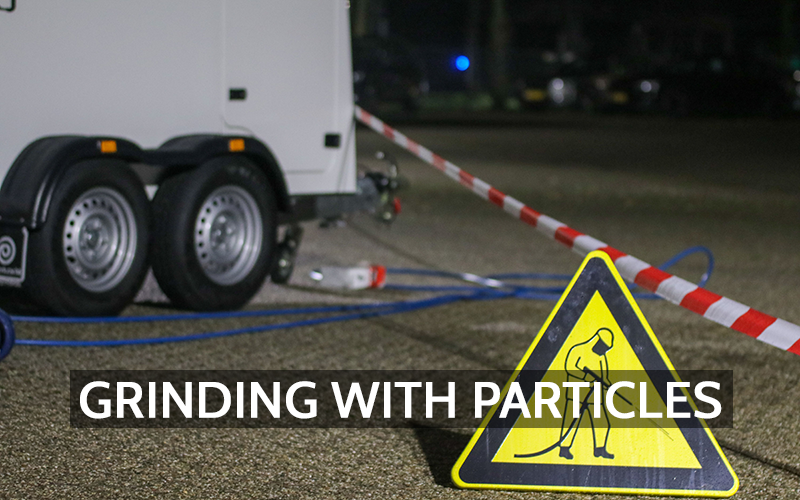
Abrasive blasting is used to remove paint, rust, corrosion, concrete, and other unwanted material from surfaces. The process can be found in shipyards, construction projects, restoration shops, bridge maintenance, fabrication plants, and many other industries. The...
by Ryan Wilmot | Oct 15, 2026 | Articles
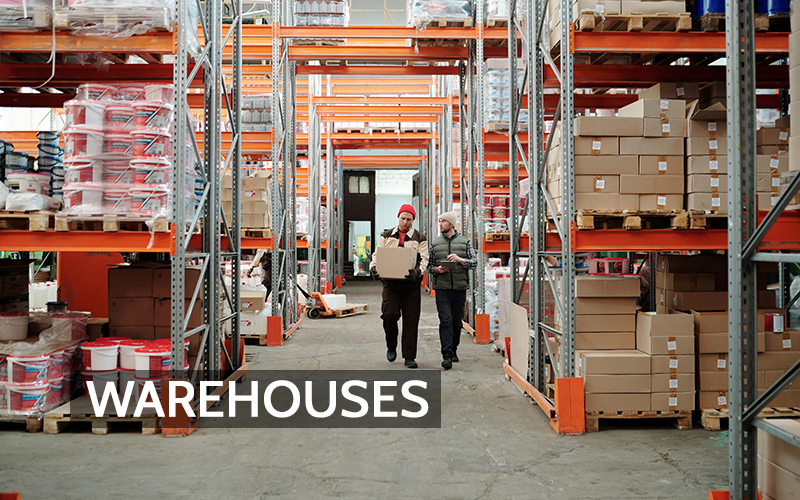
Warehouses and distribution centers can contain millions of cubic feet of indoor air, which might make them seem naturally well ventilated. In reality, a large building can still accumulate pollutants when vehicles, loading docks, packaging materials, and other...

by Ryan Wilmot | Oct 14, 2026 | Articles
Funeral homes are usually designed to feel quiet, comfortable, and welcoming, but the preparation room behind the public areas has very different air-quality needs. Embalming fluids, disinfectants, cleaning products, and other chemicals can release gases and vapors,...



