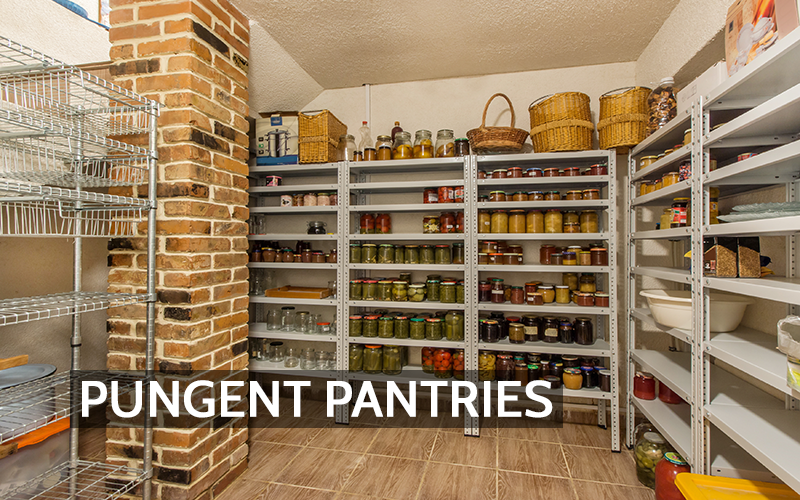
Pantries and larders are essential food storage spaces in many homes, yet they are often overlooked when considering indoor air quality. While attention is typically focused on kitchens, basements, or HVAC systems, the air quality in a pantry or larder can significantly affect both food longevity and household health. Improper humidity, temperature fluctuations, poor ventilation, and even hidden mold or pest infestations can turn these spaces into sources of airborne contaminants.
This article explores how air quality in pantry and larder spaces affects your stored food and home environment, and outlines practical strategies to optimize these storage areas for freshness, safety, and sustainability.
Why Pantry Air Quality Matters
Food stored in enclosed, unventilated spaces is vulnerable to spoilage not just from time, but also from environmental conditions. Moisture, temperature, and airborne pollutants can all influence how quickly perishable or even shelf-stable items degrade. Dry goods like flour and grains can harbor mold spores if the air is too humid. Fresh produce can release ethylene gas and moisture, accelerating ripening or rot. Improper airflow can also allow odors and microbial growth to linger.
Moreover, as a closed-off environment, the pantry can concentrate indoor air pollutants from adjacent rooms—such as cooking fumes, cleaning product vapors, or dust particles—if it’s not properly sealed or ventilated.
Key Air Quality Factors That Influence Food Storage
1. Humidity
Humidity is arguably the most critical air quality parameter in a pantry. Excessive moisture fosters mold, mildew, and spoilage of dry goods. On the other hand, extremely dry air can desiccate certain stored foods, reducing their quality.
-
Ideal Range: Maintain relative humidity between 45% and 55%.
-
Monitoring Tip: Use a hygrometer to track levels regularly.
-
Prevention: Install moisture absorbers (like silica gel packs or activated charcoal) and ensure the room is sealed from moisture-heavy sources like bathrooms or dishwashers.
2. Temperature
Temperature affects both the rate of food spoilage and the proliferation of pests like pantry moths or beetles.
-
Ideal Range: Keep pantry temperatures between 50°F and 70°F (10°C to 21°C).
-
Tips: Avoid placing pantries near heat-emitting appliances or on sunlit exterior walls without insulation. For unconditioned spaces like basement larders, consider a small fan or vented cooling unit.
3. Ventilation
Poor ventilation allows stale air, humidity, and gases from ripening produce to accumulate. Ethylene gas—released by fruits like apples and bananas—can accelerate spoilage of nearby foods.
-
Solution: Use passive vents or install a small exhaust fan to ensure air circulation.
-
Natural Tip: Even a louvered door can improve airflow significantly without needing a fan system.
4. Airborne Contaminants and VOCs
Pantries can harbor more volatile organic compounds (VOCs) than most homeowners realize. Cleaning chemicals, off-gassing plastics, and even adhesives from shelf liners can contribute to poor air quality.
-
Prevention: Avoid storing non-food items like household cleaners or paint in the pantry. Use wood or metal shelving instead of plastic when possible, and choose low-VOC construction materials.
Common Problems and Their Solutions
Problem: Musty Smells or Visible Mold
-
Cause: High humidity or poor ventilation.
-
Fix: Use dehumidifiers or silica gel packs, and increase airflow. Wipe surfaces with vinegar or a mild antimicrobial cleaner.
Problem: Food Spoils Quickly Despite Good Seals
-
Cause: Elevated temperatures or ethylene accumulation.
-
Fix: Monitor temperature, remove ethylene-producing fruits, and improve ventilation.
Problem: Pest Infestation (Moths, Beetles, Rodents)
-
Cause: Improper sealing of food containers and accessible entry points.
-
Fix: Store food in airtight containers. Inspect and caulk gaps. Consider pantry-safe traps.
Problem: Condensation on Walls or Shelves
-
Cause: Thermal bridging or humidity spikes.
-
Fix: Insulate exterior walls, and add a moisture barrier if needed.
Best Practices for Maintaining Pantry Air Quality
-
Use Airtight Containers
Choose glass, metal, or BPA-free plastic containers with tight-sealing lids. This prevents both moisture ingress and pest access. -
Rotate Stock Regularly
Follow the “first in, first out” rule to reduce spoilage and prevent forgotten items from degrading and affecting air quality. -
Install a Small Hygro-Thermometer
Monitor both temperature and humidity continuously. Digital devices can be purchased for under $20 and give real-time feedback. -
Keep It Clean
Wipe down shelves monthly. Vacuum any debris or spilled dry goods, which can attract pests and harbor mold spores. -
Avoid Clutter
Overcrowding inhibits airflow and hides spoilage. Leave space between containers and shelves to encourage circulation. -
Separate Ethylene-Producers
Store fruits like apples, bananas, and avocados separately from other produce and away from dry goods. -
Seal the Room
Install weatherstripping around pantry doors and ensure the space isn’t drawing in moisture or odors from nearby rooms.
Green Technology and Air Purification Options
Eco-conscious homeowners can incorporate low-energy air purifiers, charcoal-based filters, or UV-based mini dehumidifiers into pantry spaces. These tools, especially in walk-in pantries or converted larders, help keep air fresh without excessive energy costs. Some smart monitors now offer alerts when temperature or humidity exceed target ranges—ideal for smart home integration.
A pantry is more than just a storage closet—it’s a microenvironment that, if managed properly, can support food safety, household health, and indoor air quality. By monitoring humidity, temperature, and airflow, and by adopting proper storage and cleanliness habits, homeowners can prevent spoilage, reduce waste, and create a healthier home.
Ignoring pantry air quality is a silent but costly mistake. Whether you’re storing shelf-stable goods, root vegetables, or emergency supplies, maintaining an optimal storage environment is key to preserving both your food and your air.
Related AirQuality.News Article:
Indoor Air Quality and Pet Safety: Protecting Pets from Hidden Dangers
References:
Image Ref: AdobeStock_230305645