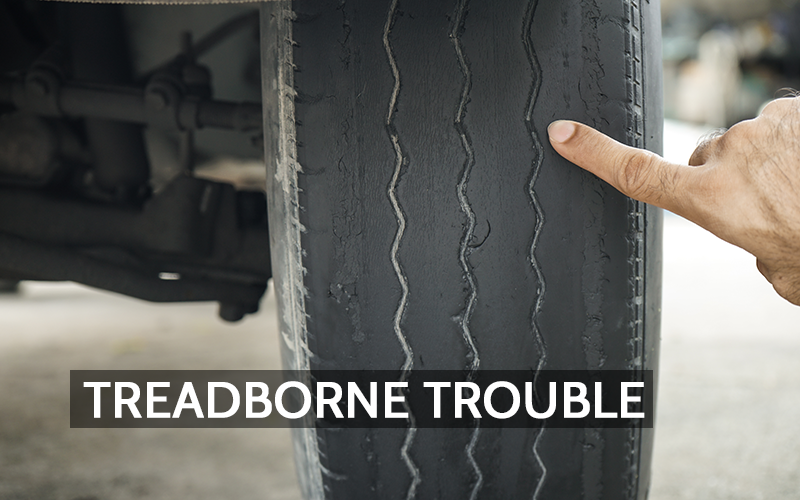
Air pollution is commonly associated with tailpipe emissions, industrial smokestacks, and wildfire smoke, but a lesser-known source of airborne contaminants is literally hiding beneath our wheels—tire tread wear. As vehicles traverse roadways, tiny particles shed from tires and disperse into the environment. These micro-sized pollutants, composed of synthetic rubber, heavy metals, and a cocktail of chemical additives, are becoming a growing concern among air quality researchers and environmental health experts.
Despite advancements in vehicle emissions technology, the non-exhaust emissions from tire wear remain unregulated in many parts of the world. With the rise of electric vehicles—which eliminate tailpipe emissions but still rely on heavy tire use—the urgency to address this invisible threat is greater than ever. Understanding the chemical composition, mechanisms of dispersion, and health implications of tire-derived particles is crucial for mitigating their environmental impact.
What Are Tire Wear Particles?
Tire wear particles (TWPs) are microscopic fragments generated when the rubber compounds in a tire degrade from friction against road surfaces. Each time a car accelerates, brakes, or turns, it sheds tiny amounts of material. These fragments range in size from coarse particles (PM10) to ultrafine particles (PM2.5 and smaller), which are small enough to become airborne and inhaled.
Modern tires are complex composites made of synthetic rubber, natural rubber, plasticizers, antioxidants, silica, carbon black, and even heavy metals like zinc. When tires wear down, they release this mixture into the environment as both airborne particulates and waterborne runoff.
A 2020 report by the European Commission estimated that tires in the EU alone release approximately 500,000 tons of microplastics into the environment each year, most of which ends up in the air or water [1].
How Tire Tread Wear Pollutes the Air
Tire particles become airborne in two primary ways: through direct suspension caused by friction and wind turbulence, and through the grinding action of tires on roads that pulverizes rubber into respirable sizes. These airborne particles can then travel long distances and settle far from their original source.
The fine particulate matter generated by tire wear often falls into the PM10 or PM2.5 categories, which are known to penetrate deep into human lungs and even enter the bloodstream. This makes tire-derived air pollution a silent and pervasive public health hazard—especially in densely populated urban areas with heavy traffic.
The issue becomes worse during dry weather and in cities with poor street cleaning practices, where particles can accumulate on surfaces and be resuspended with each passing vehicle.
Environmental and Health Impacts
Airborne tire wear particles don’t just vanish. Once they enter the atmosphere, they can contribute to a range of environmental and health issues:
-
Respiratory problems: Fine particles from tire wear can trigger asthma, bronchitis, and other chronic respiratory conditions.
-
Cardiovascular effects: PM2.5 exposure is linked to increased risk of heart attacks and strokes.
-
Soil and water contamination: When these particles settle, they often wash into waterways during rainfall, introducing microplastics and toxic chemicals into aquatic ecosystems.
-
Ecosystem disruption: Zinc oxide, a common tire additive, can be harmful to aquatic organisms even at low concentrations [2].
A 2023 study published in Environmental Science & Technology found that tire wear was responsible for over 50% of non-exhaust particle pollution in major urban centers [3].
Why Electric Vehicles Aren’t the Solution—Yet
Electric vehicles (EVs) are often hailed as a green solution to road pollution. While they eliminate tailpipe emissions, they may inadvertently worsen tire wear pollution due to their heavier battery loads. Heavier vehicles generate more friction, accelerating tire degradation and producing more airborne particles.
In fact, a 2022 report from the UK’s Department for Transport indicated that EVs could emit up to 20% more tire particulate matter compared to similarly sized internal combustion vehicles [4].
Thus, while EVs help with greenhouse gas reduction, they do not address the full spectrum of vehicle-derived pollution—especially microplastics and toxic tire compounds.
Policy Blind Spots and Calls for Regulation
Unlike tailpipe emissions, tire wear is not currently regulated under most national or international air quality standards. This regulatory gap persists despite increasing evidence of the widespread impacts of TWPs.
Some environmental groups and scientists are pushing for updated legislation that would:
-
Require tire manufacturers to disclose chemical formulations
-
Set durability and emissions standards for tire composition
-
Encourage or mandate collection and treatment of tire particulates on roads
Additionally, innovations like low-emission tires and road surface treatments that reduce friction could help curb the problem at its source.
Mitigation Strategies for the Public
While waiting for regulations to catch up, there are several ways individuals and cities can reduce tire-related air pollution:
-
Drive less aggressively: Hard braking and rapid acceleration speed up tire wear.
-
Maintain proper tire pressure: Under- or over-inflated tires wear down faster.
-
Choose eco-friendly tires: Some manufacturers are developing tires with lower emissions and biodegradable materials.
-
Improve urban planning: Better public transportation, street cleaning programs, and road maintenance can reduce cumulative pollution.
Conclusion
Tire tread wear pollution is a stealthy but significant contributor to air pollution in modern cities. As traffic volume increases globally, so does the dispersion of microplastic-laden tire dust into the air we breathe. Addressing this issue will require a coordinated effort among regulators, manufacturers, city planners, and individuals. Only by recognizing tire wear as a legitimate form of air pollution can we begin to clean up the roads—and the air—of tomorrow.