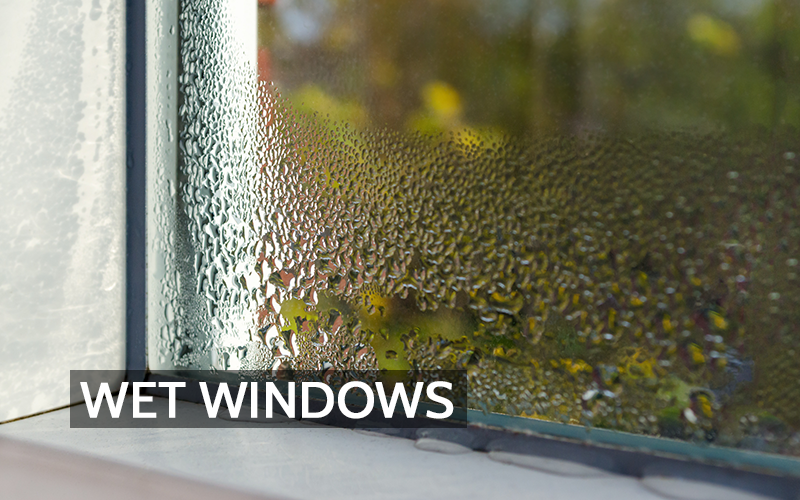
Condensation on windows is a common yet often misunderstood household problem. Homeowners might wake up on cold mornings to find droplets of water trickling down their windowpanes or discover foggy glass that obstructs natural light. While this may seem like a minor nuisance, persistent window condensation is a warning sign of elevated indoor humidity levels and poor ventilation. Left unchecked, it can lead to mold growth, damage to window frames, and a decline in indoor air quality. Fortunately, homeowners can take proactive steps to manage humidity and prevent condensation-related issues.
What Causes Window Condensation?
Window condensation forms when moist, warm air comes into contact with a cooler surface—like the glass of a window. The air cools rapidly, and its water vapor condenses into liquid droplets. This is more likely to happen during colder months when indoor air is significantly warmer and more humid than the air outside.
Common sources of indoor humidity include:
-
Cooking without proper ventilation
-
Showering or bathing in closed bathrooms
-
Drying clothes indoors
-
Overwatering houseplants
-
Inadequate exhaust in basements or attics
Newer, energy-efficient homes are particularly prone to condensation because they are tightly sealed to retain heat. While this improves energy efficiency, it also reduces natural air exchange and traps moisture inside.
Why Is Window Condensation a Problem?
Although occasional condensation may seem harmless, chronic window moisture can cause several serious issues:
-
Mold and Mildew Growth
Excess moisture encourages mold and mildew, which can form around windows, on walls, and inside insulation. This not only damages your home’s structure but also contributes to poor indoor air quality, triggering allergies and respiratory issues. -
Wood Rot and Frame Damage
Repeated exposure to water can cause wooden window sills and frames to warp, rot, or develop peeling paint. Metal frames may corrode over time, reducing the lifespan of your windows. -
Insulation Failure in Double-Glazed Windows
In double- or triple-pane windows, condensation between panes may indicate seal failure. When seals break, insulating gases like argon or krypton escape, and the window loses its thermal efficiency. -
Poor Visibility and Natural Light Loss
Constant fogging reduces visibility and obstructs sunlight, which can affect the comfort and appeal of your home interior.
Practical Solutions for Reducing Window Condensation
Fortunately, homeowners can address condensation by managing indoor humidity and improving air circulation. Here are several effective strategies:
1. Use a Dehumidifier
One of the easiest ways to reduce excess moisture is to run a dehumidifier. These appliances extract water from the air and are especially useful in damp areas like basements, bathrooms, or laundry rooms. For whole-home solutions, consider installing a central dehumidifier in your HVAC system.
2. Improve Ventilation
Air movement plays a crucial role in controlling humidity. Open windows periodically—even in winter—to allow fresh air in and moist air out. Use exhaust fans in the kitchen and bathroom while cooking or showering, and let them run for at least 20 minutes afterward. Ensure your attic and crawlspaces are properly vented to prevent humidity buildup in structural cavities.
3. Install Storm Windows or Upgrade to Insulated Glass
Storm windows and insulated double- or triple-pane glass help prevent condensation by maintaining a higher interior surface temperature. Properly insulated windows are less likely to experience temperature differentials that cause condensation.
4. Seal Air Leaks and Add Weatherstripping
Gaps and leaks around windows can cause cold drafts, leading to temperature imbalances that promote condensation. Apply weatherstripping or caulk around window frames to prevent cold air intrusion and maintain stable indoor conditions.
5. Adjust Humidity Settings on Thermostats
Many smart thermostats or home automation systems allow homeowners to monitor and manage humidity. Aim to keep indoor relative humidity between 30% and 50%. During colder months, lower levels (30-40%) are more effective at preventing condensation.
6. Relocate Houseplants
Plants release moisture into the air through transpiration. If you have a concentration of plants near windows, try spreading them throughout the home or moving them away from window sills.
7. Use Insulating Curtains or Blinds Wisely
While thick curtains can improve insulation, they may trap moisture between the window and fabric. Open blinds or drapes during the day to promote air circulation and allow the sun to warm the window glass.
Long-Term Preventative Measures
Homeowners may consider deeper interventions if condensation persists despite taking basic steps:
-
Whole-house ventilation systems such as HRVs (Heat Recovery Ventilators) or ERVs (Energy Recovery Ventilators) bring in fresh air while preserving heating and cooling efficiency.
-
Window replacement may be necessary if panes have fogged between glass layers or if wood rot has compromised structural integrity.
-
Moisture barriers in basements and crawlspaces can reduce ground-sourced humidity.
Conclusion
Window condensation is more than an aesthetic issue—it’s a symptom of indoor air imbalance that can lead to costly structural and health problems. By understanding the causes and implementing practical moisture control strategies, homeowners can preserve indoor air quality, protect their investment, and maintain a comfortable living environment.