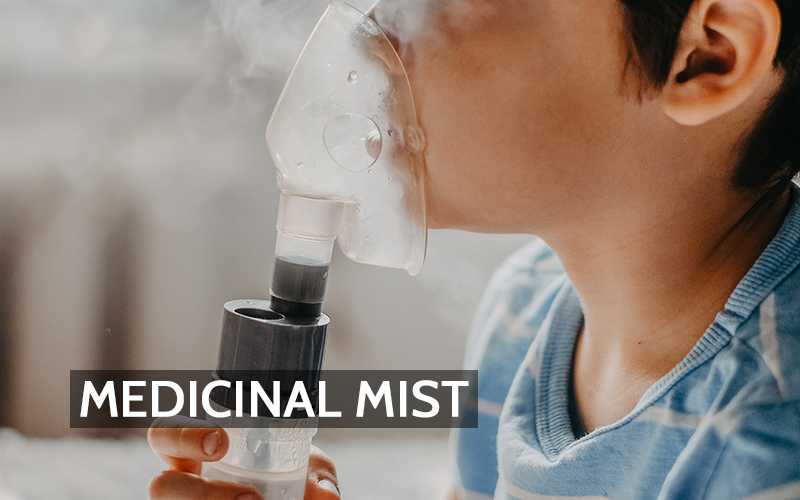
Nebulizer therapy is a widely used respiratory treatment that delivers medication directly into the lungs in the form of a mist. It plays a crucial role in the management of both acute and chronic respiratory conditions by improving medication absorption and providing rapid relief from symptoms. Especially beneficial for children, older adults, and individuals with limited coordination, nebulizers have become a mainstay in at-home and clinical respiratory care.
This article explores what nebulizer therapy is, how it works, its key applications in respiratory medicine, and the types of drugs commonly administered through this method. As indoor and outdoor air quality continue to influence respiratory health, understanding treatment options like nebulizer therapy is essential.
What Is Nebulizer Therapy?
Nebulizer therapy refers to the process of administering medication through a device called a nebulizer, which converts liquid medication into a fine aerosol mist. This mist is then inhaled through a mouthpiece or face mask, allowing the medication to reach deep into the lungs.
Nebulizers operate using compressed air, ultrasonic vibration, or mesh technology. The most common types include:
-
Jet nebulizers: Use compressed air to generate the mist.
-
Ultrasonic nebulizers: Employ high-frequency sound waves for aerosolization.
-
Mesh nebulizers: Use a vibrating mesh membrane to produce a consistent and quiet mist.
Compared to inhalers, nebulizers require less coordination, making them ideal for individuals unable to use inhalers effectively.
Medical Applications of Nebulizer Therapy
Nebulizer therapy is primarily used for treating respiratory diseases that involve inflammation, bronchospasm, mucus buildup, or infection. Common applications include:
1. Asthma Management
Nebulizers are used to administer bronchodilators and corticosteroids for patients experiencing moderate to severe asthma symptoms. During an asthma attack, rapid delivery of a bronchodilator like albuterol via nebulizer can restore normal breathing.
2. Chronic Obstructive Pulmonary Disease (COPD)
For individuals with COPD, nebulizer therapy helps manage symptoms such as chronic bronchitis and emphysema. Medications delivered by nebulizer improve airflow, reduce inflammation, and prevent exacerbations.
3. Cystic Fibrosis
Cystic fibrosis patients often use nebulizers to inhale saline solutions or antibiotics that help thin mucus and control bacterial infections in the lungs. Hypertonic saline therapy improves mucus clearance and supports better lung function.
4. Bronchitis and Pneumonia
In cases of acute bronchitis or pneumonia, nebulized antibiotics or anti-inflammatory medications may be used to reduce airway swelling and treat localized infections.
5. Allergic Respiratory Reactions
Nebulizer therapy can also manage respiratory distress caused by severe allergies or exposure to environmental irritants, such as mold spores, pollen, or poor indoor air quality.
Common Drugs Administered via Nebulizer
Several types of medications are formulated for nebulizer delivery. The following categories represent the most commonly prescribed:
1. Bronchodilators
These drugs relax the smooth muscles of the airways, making breathing easier.
-
Albuterol (Salbutamol): A fast-acting beta-agonist that relieves acute bronchospasm.
-
Levalbuterol: A refined form of albuterol with fewer side effects.
-
Ipratropium bromide: An anticholinergic bronchodilator often combined with albuterol (e.g., Duoneb).
2. Corticosteroids
Used to reduce inflammation and prevent symptoms in chronic conditions.
-
Budesonide: A commonly nebulized steroid for asthma and COPD.
-
Flunisolide: Another inhaled steroid used less frequently but still effective.
3. Mucolytics
These break down mucus, making it easier to clear from the lungs.
-
Dornase alfa (Pulmozyme): Common in cystic fibrosis treatment.
-
Hypertonic saline (3%-7%): Draws water into airways to thin mucus.
4. Antibiotics
Nebulized antibiotics target infections directly within the lungs.
-
Tobramycin: Treats Pseudomonas aeruginosa infections in cystic fibrosis.
-
Colistimethate: An older but still useful antibiotic for multidrug-resistant bacteria.
5. Antiviral or Antifungal Agents
Though less common, some specialized medications may be aerosolized for direct pulmonary application in immunocompromised individuals.
Advantages of Nebulizer Therapy
-
Direct Lung Delivery: Medications reach the airways more efficiently, reducing systemic side effects.
-
Ease of Use: Especially useful for young children, elderly patients, or anyone with difficulty using inhalers.
-
Immediate Relief: Rapid onset of action for medications like albuterol can be life-saving during an asthma attack.
-
Customizability: Allows combination therapy, including mixing bronchodilators with steroids in a single session.
Limitations and Considerations
While nebulizer therapy offers many benefits, it also comes with some challenges:
-
Maintenance Requirements: Nebulizers require regular cleaning to prevent microbial contamination.
-
Longer Treatment Times: Compared to inhalers, sessions can last 5–15 minutes.
-
Portability: Traditional jet nebulizers are bulky, though modern mesh devices are compact and battery-powered.
Additionally, patients should use nebulizers under medical supervision, especially when combining medications or using potent drugs like corticosteroids or antibiotics.
Nebulizers and Air Quality
Increased air pollution, wildfire smoke, and rising pollen levels have made respiratory support devices like nebulizers more essential than ever. Poor air quality exacerbates asthma and COPD, leading to more frequent use of inhaled therapies. For individuals in urban environments or high-pollution areas, having a nebulizer on hand can make a significant difference in managing symptoms.
Moreover, hospitals and emergency services often rely on nebulizers to treat acute respiratory distress triggered by environmental exposures, reinforcing the connection between air quality and respiratory health infrastructure.
Conclusion
Nebulizer therapy is a critical tool in modern respiratory care, offering targeted relief for a variety of pulmonary conditions. By converting medications into a breathable mist, nebulizers ensure deep lung penetration and fast action, especially in patients with compromised breathing. As air quality continues to impact public health, understanding and utilizing nebulizer therapy becomes increasingly relevant in both clinical and home environments.