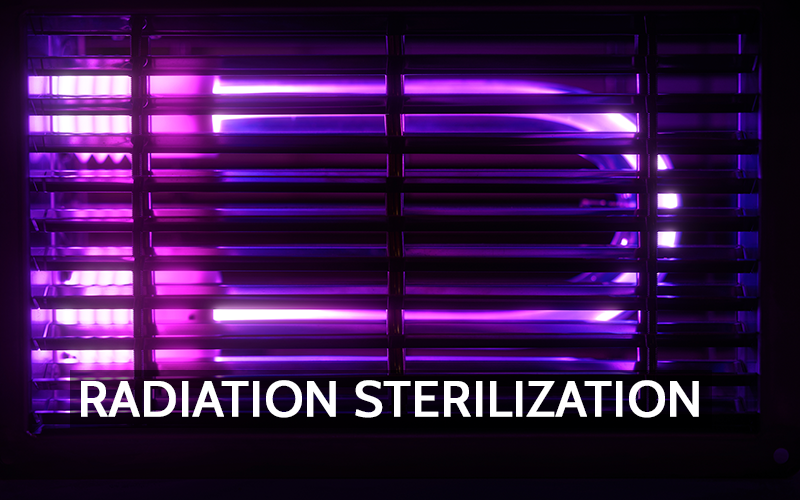
In an era increasingly focused on indoor air quality, ultraviolet (UV) air sterilizers have gained popularity as a technology to purify the air in homes, hospitals, and commercial spaces. These devices promise to eliminate airborne pathogens using ultraviolet radiation, but there’s more to the story than just flipping a switch and breathing clean air. Understanding how UV air sterilizers work—and their limitations—is essential for making informed decisions about indoor air quality solutions.
What Are Ultraviolet Air Sterilizers?
Ultraviolet air sterilizers, also known as UV-C air purifiers or UVGI (ultraviolet germicidal irradiation) systems, are devices that use short-wavelength ultraviolet light to inactivate or destroy airborne pathogens such as bacteria, viruses, and mold spores. The “C” band of UV light, specifically in the 200–280 nanometer (nm) range, is the most effective at breaking down the genetic material of microorganisms.
These systems are typically installed in HVAC ductwork, portable air purifiers, or upper-room air disinfection units. They offer a non-chemical method of air disinfection, making them an attractive option in medical and industrial environments where chemical exposure must be minimized.
How UV-C Radiation Works
The core mechanism of UV air sterilization lies in the way UV-C light damages nucleic acids. When pathogens are exposed to UV-C light, the radiation penetrates their cell walls and is absorbed by their DNA or RNA. This energy causes thymine dimers or other photochemical lesions in the genetic code, effectively scrambling the organism’s instructions for reproduction and function. The result is microbial death or an inability to reproduce—essentially rendering the pathogen harmless.
The process is physical rather than chemical, and its efficiency depends on several factors:
-
Duration of exposure: More time under UV light increases the kill rate.
-
Intensity of UV-C light: Stronger lamps provide more germicidal action.
-
Airflow speed: Faster air movement can reduce the time pathogens spend in the sterilization zone.
-
Distance from UV source: The effectiveness diminishes with increased distance.
Who Uses UV Air Sterilizers?
UV air sterilizers are widely used in environments where controlling airborne infections is critical. These include:
-
Hospitals and Clinics: UVGI is used in operating rooms, isolation units, and ventilation systems to reduce nosocomial infections.
-
Laboratories and Clean Rooms: Research and production facilities in biotechnology, pharmaceuticals, and electronics often deploy UV sterilization to maintain sterile environments.
-
Commercial Buildings and Schools: To improve indoor air quality and reduce transmission of airborne diseases, especially during flu seasons or pandemics.
-
Residential Homes: Especially those with allergy sufferers or immunocompromised residents, may use UV-C integrated HVAC systems or standalone purifiers.
What UV Sterilizers Don’t Work On
Despite their high-tech appeal, UV air sterilizers are not cure-alls. There are several important caveats to their functionality:
-
Dust and Larger Particles: UV light cannot penetrate dust, smoke, or other particulate matter effectively. If pathogens are shielded by debris or clumped together in particles, they may escape irradiation.
-
Non-microbial Pollutants: UVGI systems are not designed to remove volatile organic compounds (VOCs), formaldehyde, ozone, or other chemical pollutants. For these, activated carbon filters or photocatalytic oxidation systems are more appropriate.
-
Insufficient Exposure: If the air moves too quickly through the sterilizer or the UV light is weak, microorganisms may not receive enough radiation to be effectively neutralized.
-
Resistant Microorganisms: Some spores, especially bacterial endospores, are more resistant to UV radiation and may require longer exposure times or higher doses.
Chemistry Considerations and Safety Concerns
UV-C sterilization does not rely on chemical reactions in the traditional sense but can trigger some secondary chemical effects, especially with prolonged exposure or improper setup. For example, UV-C light can break down oxygen molecules (O₂) into atomic oxygen, which can recombine to form ozone (O₃). Ozone is a respiratory irritant and a regulated indoor pollutant. While most modern UVGI systems are designed to minimize or prevent ozone formation, this remains a safety consideration for older or poorly manufactured units.
Additionally, direct exposure to UV-C light is harmful to human skin and eyes, capable of causing burns or photokeratitis. Systems must be enclosed or installed in areas where no direct human exposure occurs, such as inside air ducts or near ceilings in upper-room applications.
Maintenance and Longevity
Like all air purification systems, UV air sterilizers require regular maintenance. UV bulbs degrade over time and lose intensity, even if they still appear lit. Most manufacturers recommend replacing bulbs every 9,000 to 12,000 hours (about once a year in continuous-use systems). Reflective surfaces inside the unit should also be cleaned regularly to maintain optimal performance.
Additionally, system performance should be evaluated annually to ensure that airflow rates, bulb intensity, and placement still align with the manufacturer’s specifications for effective sterilization.
The Bottom Line: A Complementary Solution
UV air sterilizers are best used as part of a multi-layered indoor air quality strategy. They excel at reducing airborne microorganisms in well-maintained and properly installed systems but should not replace mechanical filters, carbon adsorption systems, or ventilation improvements. For maximum effectiveness, UVGI systems should be used in tandem with HEPA filters, especially in areas prone to high levels of particulates or diverse indoor air contaminants.
As the demand for clean air continues to grow—whether due to pandemics, pollution, or general wellness trends—understanding the capabilities and limitations of UV air sterilizers empowers users to make smarter, safer decisions about the air they breathe.