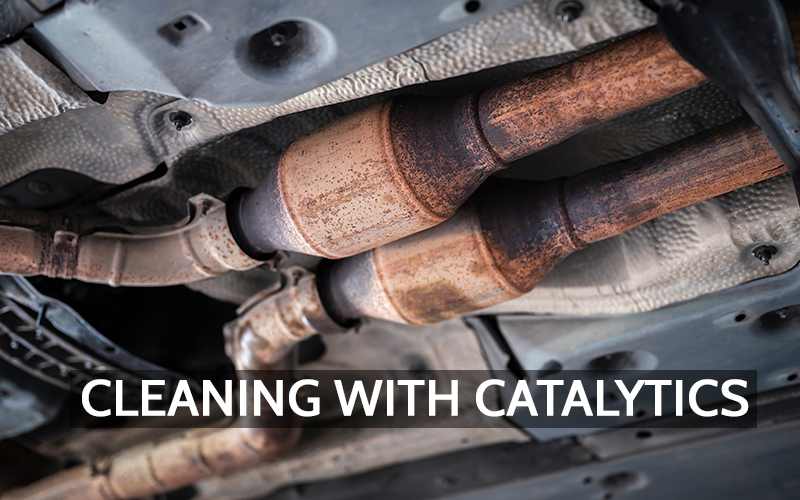
Catalytic converters play a vital role in reducing vehicle emissions and improving air quality in cities and along highways. Installed in nearly every gasoline-powered vehicle since the 1970s, these emissions control devices are unsung heroes in the battle against air pollution. As climate change and environmental health concerns continue to mount, understanding how catalytic converters work, and what they accomplish becomes increasingly important.
What Is a Catalytic Converter?
A catalytic converter is a metal canister located in a vehicle’s exhaust system. Inside, it houses a ceramic honeycomb or mesh-like structure coated with precious metals such as platinum, palladium, and rhodium. These metals serve as catalysts, substances that accelerate chemical reactions without being consumed in the process.
Mandated by regulations such as the U.S. Clean Air Act, catalytic converters became standard equipment on vehicles starting in the mid-1970s. Their purpose is straightforward: to convert harmful pollutants in engine exhaust into less harmful gases before they exit the tailpipe. Without them, internal combustion engines would emit high levels of toxic compounds directly into the atmosphere.
How Catalytic Converters Work
When a car engine runs, it burns fuel in the presence of air, producing a mix of gases. The most problematic of these include:
-
Carbon monoxide (CO): a poisonous gas formed by incomplete combustion.
-
Hydrocarbons (HCs): unburned fuel vapors that contribute to smog formation.
-
Nitrogen oxides (NOₓ): compounds that contribute to acid rain and respiratory illnesses.
As exhaust gases pass through the catalytic converter, they encounter the catalyst-coated substrate. Here, the converter facilitates three primary chemical reactions:
-
Oxidation of carbon monoxide into carbon dioxide (CO → CO₂)
-
Oxidation of unburned hydrocarbons into carbon dioxide and water (HCs → CO₂ + H₂O)
-
Reduction of nitrogen oxides into nitrogen and oxygen (NOₓ → N₂ + O₂)
These reactions are driven by high temperatures (typically 400–800°F), making proper engine operation and warm-up time essential for effective emissions control.
Types of Catalytic Converters
There are two main types of catalytic converters used in vehicles:
-
Two-way converters: These perform oxidation reactions to reduce carbon monoxide and hydrocarbons. They were used primarily before 1981 in vehicles without advanced fuel control systems.
-
Three-way converters: These perform both oxidation and reduction reactions, tackling carbon monoxide, hydrocarbons, and nitrogen oxides simultaneously. They are now standard in most gasoline-powered vehicles.
Diesel vehicles often use diesel oxidation catalysts (DOCs) and selective catalytic reduction (SCR) systems instead, due to different emission profiles and exhaust temperatures.
The Air Quality Benefits of Catalytic Converters
Catalytic converters significantly reduce the environmental footprint of motor vehicles. According to the U.S. Environmental Protection Agency (EPA), vehicles equipped with modern catalytic converters emit 98% fewer hydrocarbons, carbon monoxide, and nitrogen oxides than cars built without them.
By minimizing the release of smog-forming compounds and toxic gases, catalytic converters directly improve air quality, particularly in urban centers where vehicle density is high. This has measurable public health benefits, including reduced rates of asthma, heart disease, and premature mortality due to air pollution exposure.
Challenges and Limitations
While catalytic converters are highly effective, they are not without limitations:
-
Cold Start Emissions: Converters only work efficiently when hot. During the first few minutes of engine operation, emissions can spike.
-
Fuel Quality and Maintenance: Leaded gasoline and engine malfunctions can damage the catalyst, rendering it ineffective.
-
Theft and Illegal Removal: Catalytic converters contain valuable metals, making them a frequent target for theft. Some vehicle owners illegally remove them to reduce repair costs or improve engine performance, actions that significantly worsen air pollution.
-
Aging and Degradation: Over time, the catalyst materials can degrade or become clogged, reducing efficiency and requiring replacement.
Innovations and Future Directions
Researchers and automakers continue to improve catalytic converter technology. Advances include:
-
Improved thermal management to shorten warm-up time.
-
More efficient catalyst coatings to reduce the amount of precious metals needed.
-
Integration with hybrid and electric vehicles, where start-stop systems and variable engine loads require adaptive catalyst performance.
Moreover, the global transition toward electric vehicles (EVs) could eventually phase out catalytic converters altogether. However, as of 2025, internal combustion engines still dominate roads worldwide, particularly in developing countries, making catalytic converters essential for the foreseeable future.
Environmental and Policy Considerations
Government regulations remain the driving force behind catalytic converter adoption and innovation. Stricter emissions standards, such as the Euro 6 and U.S. Tier 3 regulations, push manufacturers to develop cleaner technologies. These rules not only improve local air quality but also reduce the transportation sector’s contribution to climate change. In addition, policies aimed at curbing converter theft, such as catalytic converter etching programs and traceable part regulations, are being implemented in many regions.