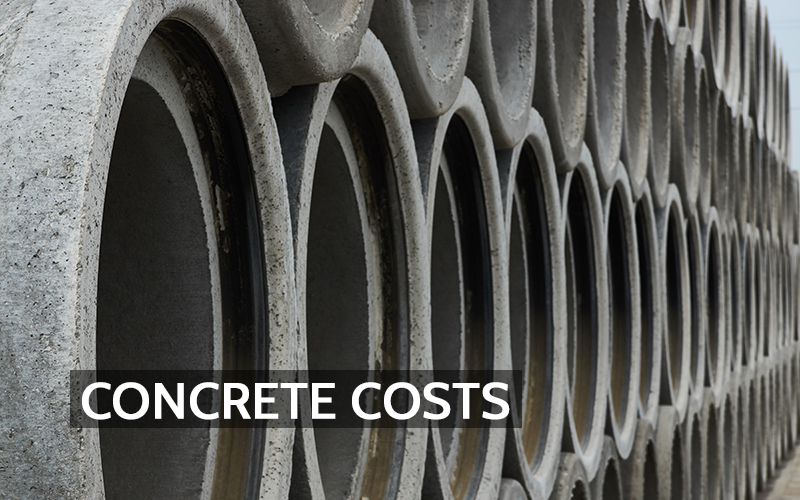
Concrete is one of the most widely used building materials in the world. It forms the roads we drive on, the foundations of homes, the walls of high-rise buildings, and the sidewalks in our neighborhoods. Because it is strong, long-lasting, and relatively affordable, concrete is central to modern infrastructure. However, the full life cycle of concrete, from producing cement, to transporting and placing concrete, to crushing and recycling old material, can affect local and regional air quality.
The first important point is that concrete and cement are not the same thing. Cement is the powdery binder used to make concrete. Concrete is made by mixing cement with water, sand, gravel, and other aggregates. Cement is usually the most air-pollution-intensive ingredient because it must be made in high-temperature kilns. These kilns heat limestone and other raw materials to create clinker, which is then ground into cement.
During cement manufacturing, air pollutants can be released from fuel combustion, raw material handling, and kiln operations. Common pollutants include particulate matter, nitrogen oxides, sulfur dioxide, carbon monoxide, and, in some cases, trace metals or mercury. Nitrogen oxides and sulfur dioxide are especially important because they can react in the atmosphere and contribute to fine particle pollution and smog-forming chemistry. Particulate matter is also a concern because small particles can enter the lungs and worsen asthma, heart disease, and other respiratory conditions.
Dust is another major air quality concern in cement and concrete production. Cement powder, sand, stone, and other materials can become airborne during crushing, grinding, loading, unloading, storage, and transfer. Concrete batch plants, where cement, aggregate, water, and additives are mixed, can produce visible dust if materials are not properly enclosed or controlled. While many modern plants use filters, enclosed conveyors, covered storage, and water-based dust suppression, poor handling can still create local air quality problems.
Transportation adds another layer of emissions. Cement, sand, gravel, and ready-mix concrete are heavy materials, meaning they require large trucks and significant fuel use. Diesel trucks can emit nitrogen oxides, particulate matter, and other pollutants. The impact is often local, especially near production sites, construction zones, and busy haul routes. Communities located near batch plants, quarries, highways, or large construction projects may experience higher exposure to dust and traffic-related emissions.
Once concrete arrives at a construction site, air quality impacts depend on how the material is handled. Pouring wet concrete is usually not the largest source of airborne pollution, but site preparation, vehicle movement, road dust, cutting, grinding, drilling, and demolition can release particles into the air. Dry concrete dust can contain crystalline silica, which is a known respiratory hazard when inhaled as very small particles. Workers face the highest exposure risk, but nearby residents may also be affected if dust is not controlled.
Construction dust can be reduced through practical controls. These include wet cutting, water sprays, vacuum systems, covered trucks, stabilized access roads, wheel washing, and limiting exposed soil or debris piles. Good planning also matters. A site that manages traffic flow, reduces unnecessary idling, and keeps dusty work areas contained can lower its effect on surrounding air quality.
Concrete recycling can be both a challenge and an opportunity. When buildings, roads, or sidewalks are demolished, old concrete can be crushed and reused as recycled concrete aggregate. This material can be used in road base, drainage layers, fill, and sometimes new concrete mixes. Recycling can reduce the need to mine, crush, and transport virgin stone. It can also reduce landfill use and may lower transportation emissions when the recycled material is reused close to where it was produced.
However, recycling concrete is not automatically clean. Crushing and screening old concrete can create large amounts of dust if the process is not controlled. Stockpiles can also release particles during dry or windy conditions. Trucks entering and leaving recycling facilities can track dust onto nearby roads, where it may be kicked back into the air. As with production and construction, the air quality impact depends heavily on site management and pollution controls.
The best approach is to view concrete through its whole life cycle. Cement production has the largest industrial emissions footprint, especially because of kiln combustion and the chemical process used to make clinker. Batch plants and construction sites can create local dust and truck emissions. Recycling can reduce some upstream impacts, but crushing operations need strong dust control to avoid shifting the problem from one location to another.
Concrete will remain an essential material for buildings, roads, water systems, and public infrastructure. The goal is not to stop using it, but to use it more responsibly. Cleaner cement technologies, lower-clinker mixes, alternative fuels, efficient trucking, enclosed material handling, real-time dust monitoring, and better recycling practices can all help reduce air quality impacts.
For communities, the most important questions are often local: How close is the facility to homes or schools? Are trucks routed away from sensitive areas? Are dust controls operating properly? Is air monitoring being used to confirm that pollution is staying under control? When concrete production and recycling are managed carefully, the air quality burden can be reduced while still supporting the infrastructure people rely on every day.
References
- U.S. Environmental Protection Agency. Portland Cement Plants: New Source Performance Standards
- U.S. Environmental Protection Agency. AP-42, Chapter 11.12: Concrete Batching
- U.S. Environmental Protection Agency. Health and Environmental Effects of Particulate Matter
- U.S. Environmental Protection Agency. Basic Information About Nitrogen Dioxide
- U.S. Environmental Protection Agency. Construction and Demolition Debris: Material-Specific Data
- Occupational Safety and Health Administration. Respirable Crystalline Silica Standard for Construction
- Federal Highway Administration. Transportation Applications of Recycled Concrete Aggregate