by Ryan Wilmot | Aug 2, 2026 | Articles
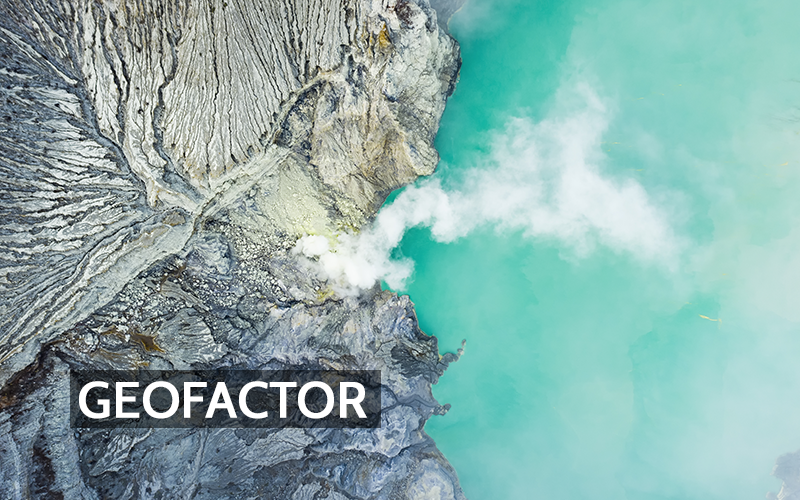
The atmosphere is often described as a mixture of gases produced by living organisms, human activity, and weather. However, the solid Earth also plays an important role in determining what the air contains. Volcanoes release gases from deep underground. Wind carries...

by Ryan Wilmot | Aug 1, 2026 | Articles
Mountains shape far more than scenery. By blocking winds, redirecting air currents, forcing air upward, and creating sheltered valleys, mountain ranges can strongly influence where pollution travels and how long it remains near the ground. In some regions, mountains...

by Ryan Wilmot | Jul 31, 2026 | Articles
A residential heating and cooling system does more than produce warm or cold air. It pulls air from the home, filters it, changes its temperature and moisture level, and sends it back through the rooms. In many homes, the equipment that moves and conditions this air...
by Ryan Wilmot | Jul 30, 2026 | Articles
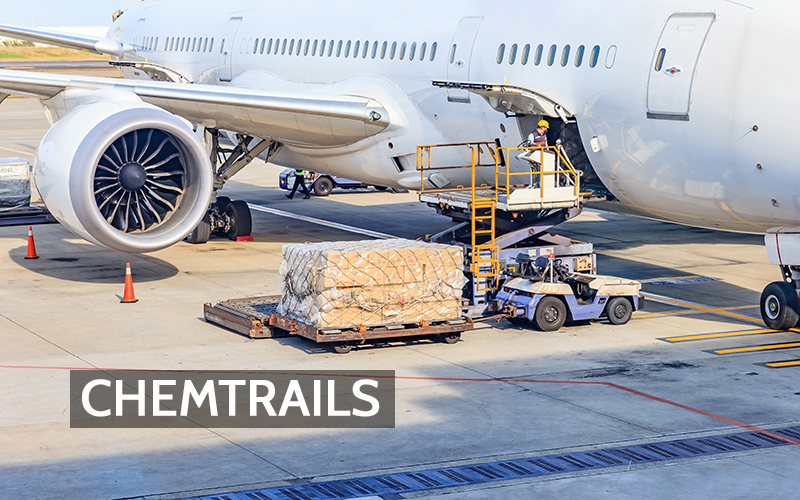
Commercial aviation connects cities, supports trade, and allows people and goods to travel across continents within hours. That mobility requires large amounts of fuel, however, and aircraft engines release gases and particles both near airports and high in the...
by Ryan Wilmot | Jul 29, 2026 | Articles
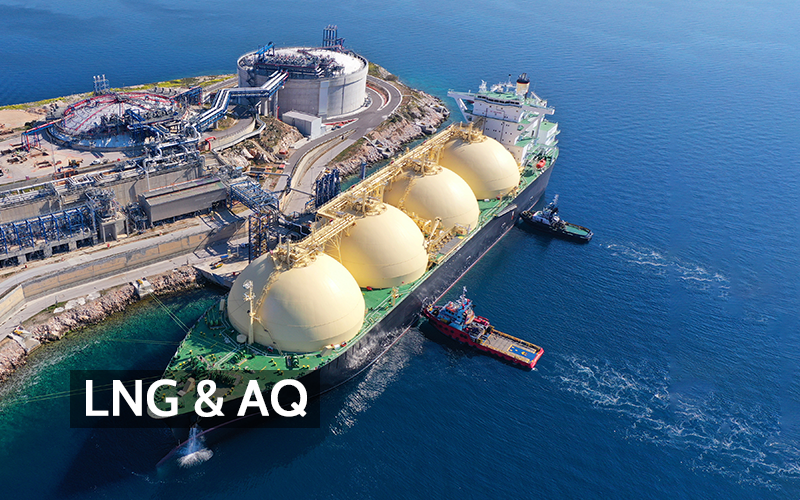
Natural gas is commonly moved through pipelines, but pipelines cannot easily connect every producing region with every customer. Liquefied natural gas, commonly called LNG, allows natural gas to be stored compactly and transported across oceans. LNG can help replace...
by Ryan Wilmot | Jul 28, 2026 | Articles
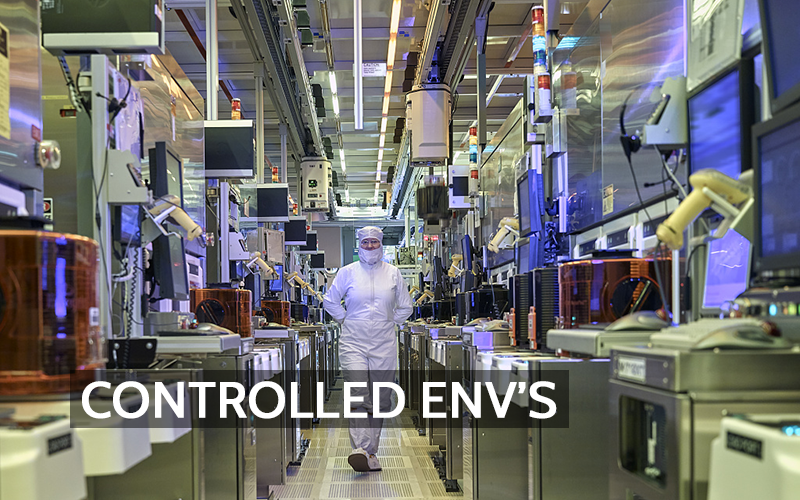
A room can look spotless while still containing millions of invisible particles. Dust, skin cells, clothing fibers, microorganisms, chemical vapors, and tiny droplets continuously enter ordinary indoor air. In most buildings, these materials create few immediate...



