by Ryan Wilmot | Jul 27, 2026 | Articles
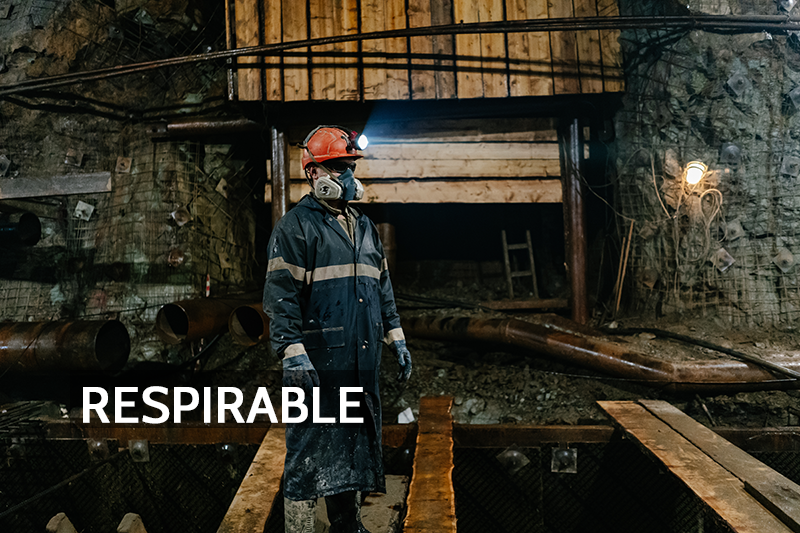
Dust is common in construction sites, mines, factories, farms, and workshops. Much of it appears to settle quickly or becomes trapped in the nose and throat. The smallest particles, however, can remain suspended in the air and travel deep into the lungs. This portion...
by Ryan Wilmot | Jul 26, 2026 | Articles
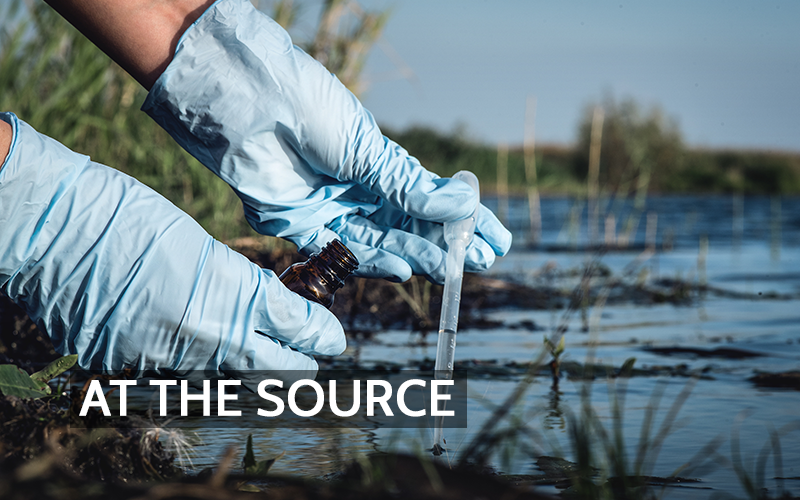
Water and air may appear to be separate parts of the environment, but they constantly exchange heat, gases, droplets, and particles. The chemistry of a local lake, river, wetland, reservoir, or groundwater supply can therefore influence the air above it and, in some...
by Ryan Wilmot | Jul 25, 2026 | Articles
Air may look empty, but it contains a changing mixture of gases, particles, water vapor, biological material, and trace chemicals. Some pollutants can be measured instantly with electronic instruments. Others must be collected on filters, inside canisters, or on...
by Ryan Wilmot | Jul 24, 2026 | Articles
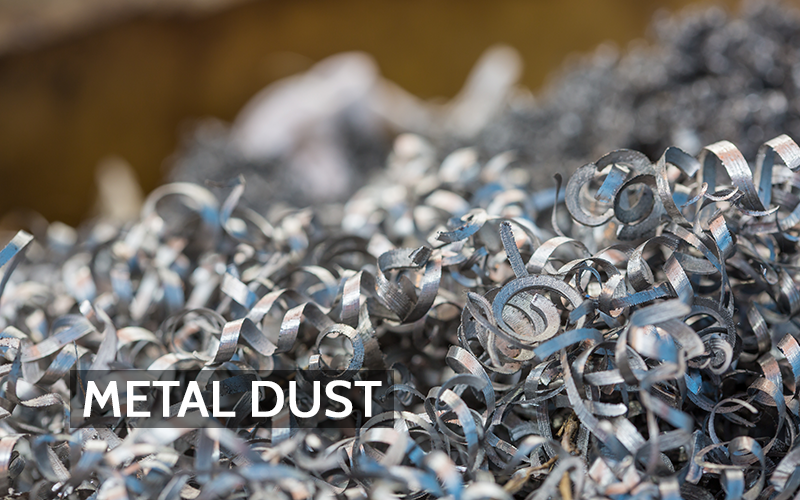
Metal manufacturing can turn heavy, solid materials into particles small enough to float through the air. Cutting, grinding, sanding, welding, casting, polishing, and handling powdered metals can all release dust or fumes into a workplace. If these emissions escape...

by Ryan Wilmot | Jul 23, 2026 | Articles
When people picture natural particulate pollution, they often imagine dust rising from deserts, dry lakebeds, or exposed farmland. Arid landscapes are important sources of airborne mineral particles, but greener environments also release material into the atmosphere....
by Ryan Wilmot | Jul 22, 2026 | Articles
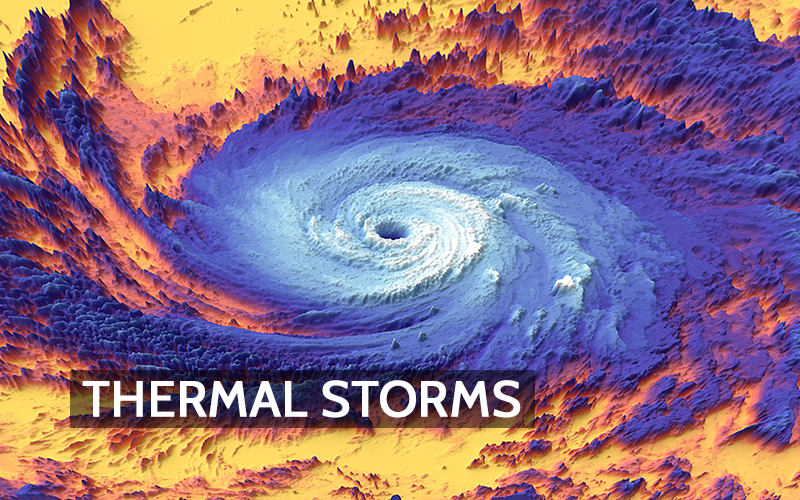
Storms can appear to be sudden and chaotic, but they develop through recognizable exchanges of heat, moisture, and energy. Differences in air temperature help move the atmosphere, while warm seas supply water vapor and heat to many powerful weather systems....



