
by Ryan Wilmot | Oct 27, 2026 | Articles
A finished tablet holds a measured dose in a compact form. Before it reaches a package, its ingredients may pass through several machines as loose powders or granules. Each transfer creates an opportunity for small particles to escape into workplace air. Keeping this...
by Ryan Wilmot | Oct 26, 2026 | Articles
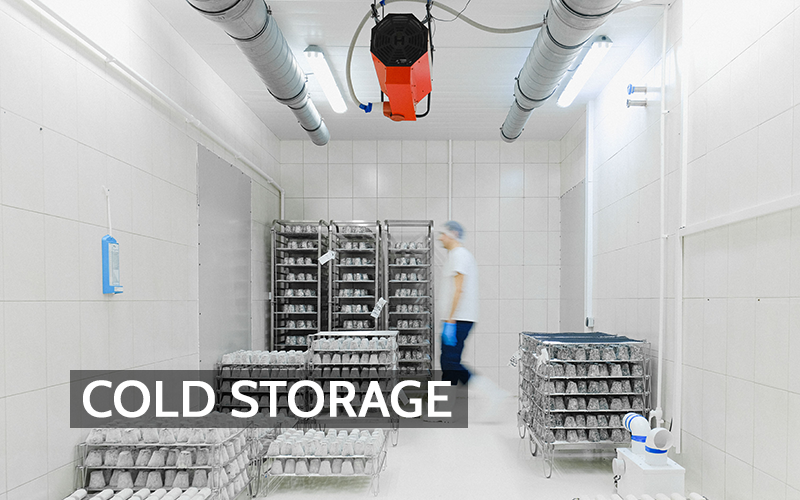
Cold-storage warehouses use insulation, sealed doors, and refrigeration to protect temperature-sensitive products. Many freezer rooms must keep large volumes of air below freezing while workers and forklifts move through them. Limiting warm-air entry reduces energy...
by Ryan Wilmot | Oct 25, 2026 | Articles
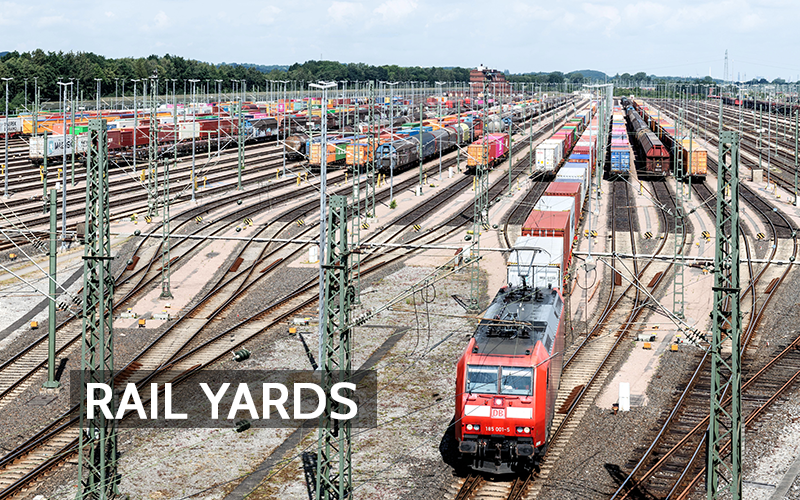
Rail yards and locomotive shops combine large engines with metalworking, cleaning, and repair. Diesel exhaust shares the air with dust from brakes, sand, and maintenance tasks. Outdoors, pollution moves with the wind and nearby train activity. Inside an engine house,...
by Ryan Wilmot | Oct 24, 2026 | Articles
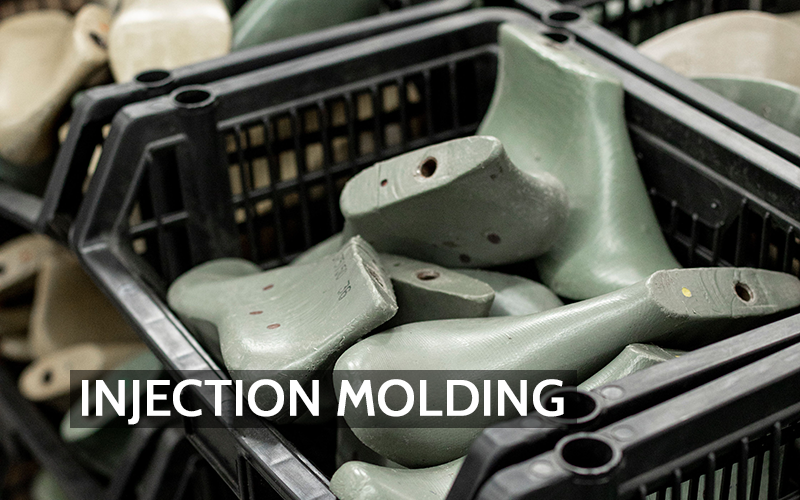
Plastic injection molding turns pellets into products such as containers, appliance housings, and mechanical parts. The machine heats the plastic until it flows, pushes it into a mold, and allows it to cool into a solid shape. Airborne emissions can include both...
by Ryan Wilmot | Oct 23, 2026 | Articles
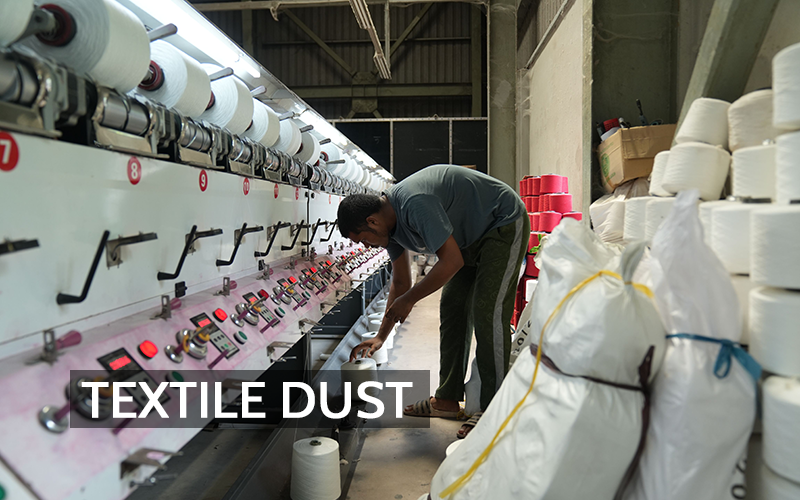
Textile manufacturing changes loose fibers into yarn, cloth, and finished products. Along the way, machinery can release dust and lint, while dyeing and finishing add chemical exposures. Heating the fabric can introduce another mixture of vapors and particles. These...

by Ryan Wilmot | Oct 22, 2026 | Articles
A parked aircraft can be surrounded by several kinds of air pollution while mechanics clean, repair, and repaint it. Some contaminants come from the work itself, while others arrive from activity outside the hangar. High ceilings and enormous indoor volumes can make...



