
by Ryan Wilmot | Oct 7, 2026 | Articles
Hospitals are among the most carefully engineered indoor environments in modern society. Their ventilation systems are designed not only to provide comfortable temperatures and fresh air, but also to control where airborne contaminants travel. Some rooms are...

by Ryan Wilmot | Oct 6, 2026 | Articles
Digital services often feel almost weightless. A photograph appears from cloud storage, an artificial-intelligence model answers a question, or a video begins streaming without any obvious industrial process taking place. Behind those services are enormous physical...

by Ryan Wilmot | Oct 5, 2026 | Articles
A livestock barn is more than a shelter for animals. It is a biologically active indoor environment where feed, bedding, manure, microorganisms, animals, and ventilation systems continuously interact with the air. In enclosed poultry, dairy, and swine facilities,...

by Ryan Wilmot | Oct 4, 2026 | Articles
The smell of roasting coffee is usually associated with cafés, kitchens, and an approaching cup of coffee. At an industrial scale, that familiar aroma represents something more complicated. Coffee roasting releases smoke, volatile organic compounds, carbon monoxide,...
by Ryan Wilmot | Oct 3, 2026 | Articles
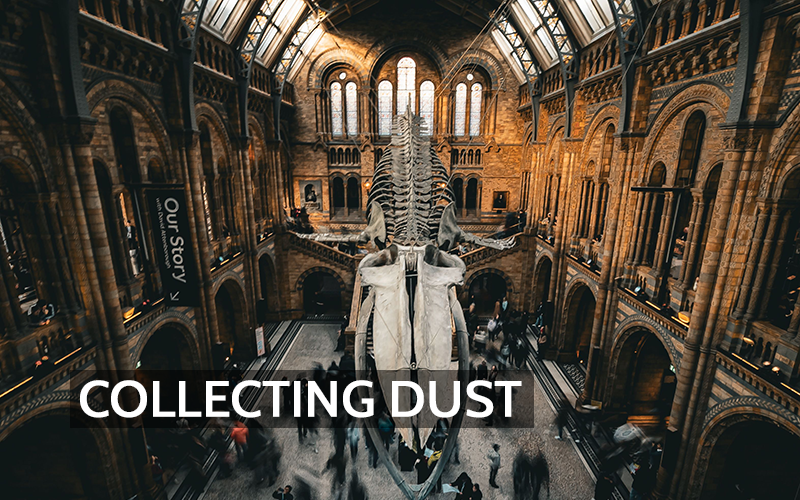
A museum protects its collection from obvious threats such as fire, water, theft, and physical damage, but the air itself can also become a long-term hazard. Dust settles onto paintings and textiles, ozone attacks organic materials, sulfur and nitrogen compounds can...
by Ryan Wilmot | Oct 2, 2026 | Articles
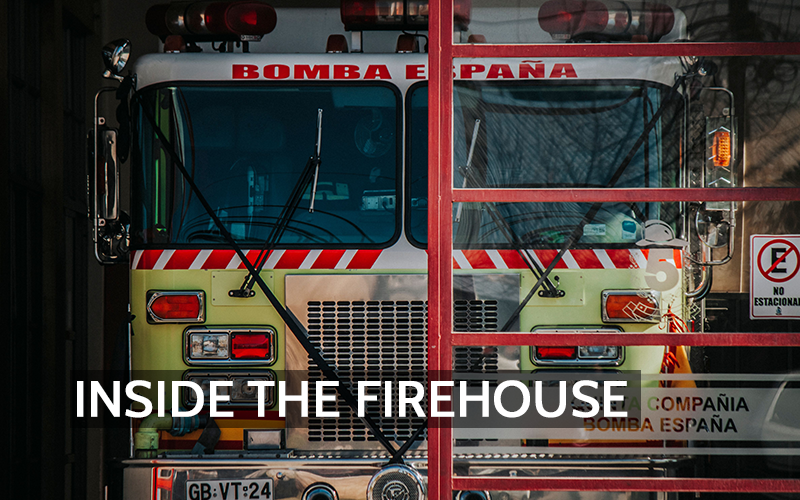
A fire station is supposed to be the place firefighters return to after leaving smoke behind. Unfortunately, some of the fire can come home with them. Soot clings to boots and equipment. Combustion products remain on turnout gear. Diesel engines operate inside...



