by Ryan Wilmot | Sep 13, 2026 | Articles
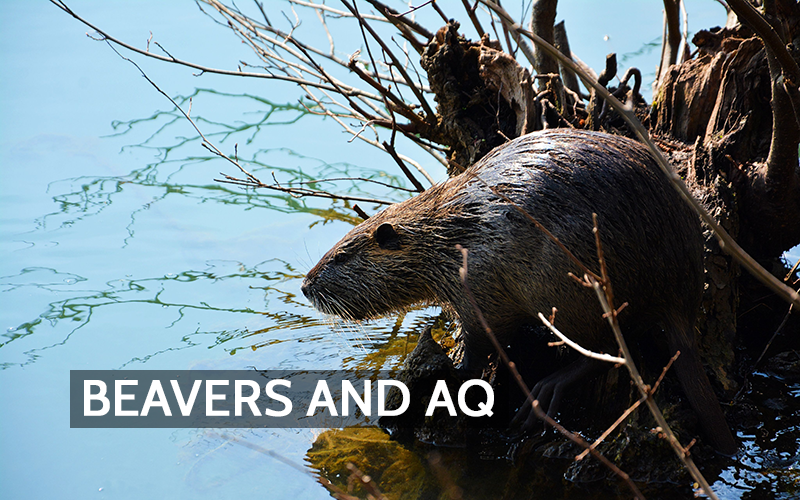
Beavers do not filter smoke from the air or remove pollution with their dams. Their influence on the atmosphere is much more indirect. By cutting vegetation, blocking streams, raising water tables, trapping sediment, and creating wetlands, beavers can transform entire...
by Ryan Wilmot | Sep 12, 2026 | Articles
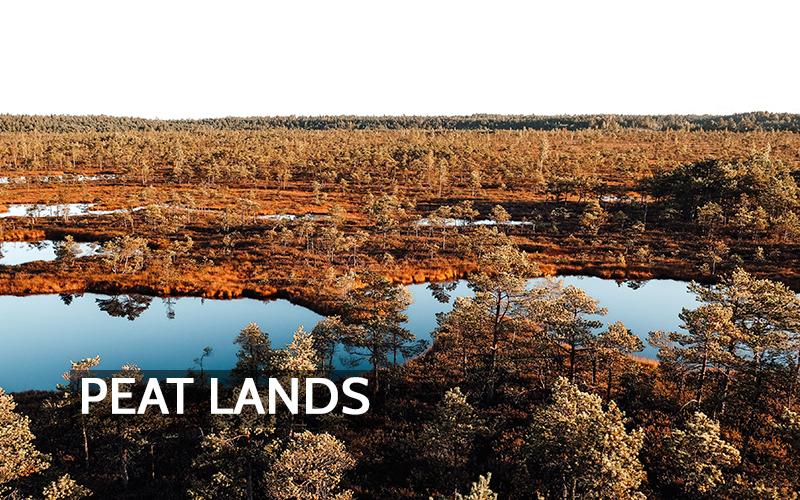
Peatlands can look modest compared with forests. Many are flat, wet landscapes covered by mosses, grasses, shrubs, or swamp vegetation rather than towering trees. Beneath the surface, however, they contain one of the largest carbon stores on Earth. Peatlands cover...

by Ryan Wilmot | Sep 11, 2026 | Articles
The September 11, 2001 attacks changed the air over Lower Manhattan almost instantly. The collapse of the World Trade Center towers pulverized enormous quantities of concrete, glass, insulation, metal, office materials, and other building components. Fires then burned...
by Ryan Wilmot | Sep 10, 2026 | Articles
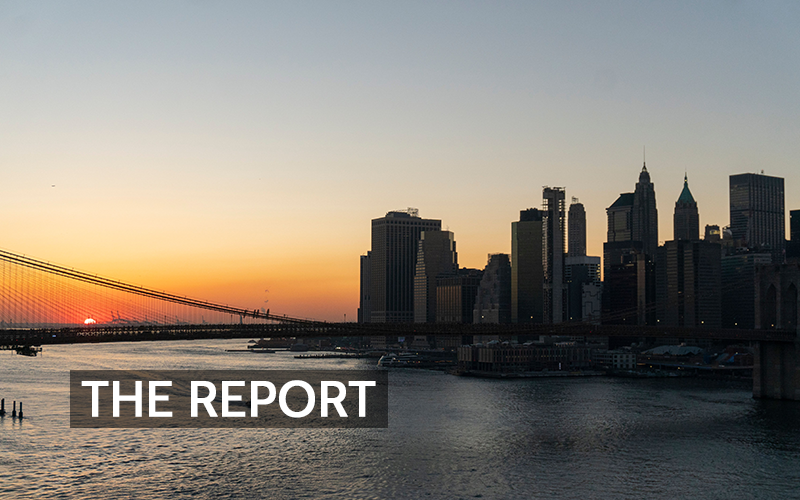
Nearly 25 years after the September 11 attacks, New York City has opened a large collection of government records concerning environmental conditions, public health, and the city’s response to the World Trade Center disaster. On September 8, 2026, Mayor Zohran...

by Ryan Wilmot | Sep 9, 2026 | Articles
Every day, the respiratory system encounters dust, pollen, smoke, microorganisms, droplets, and countless microscopic particles suspended in the air. Fortunately, most of this material does not simply remain inside the lungs. Much of the conducting respiratory tract...
by Ryan Wilmot | Sep 8, 2026 | Articles
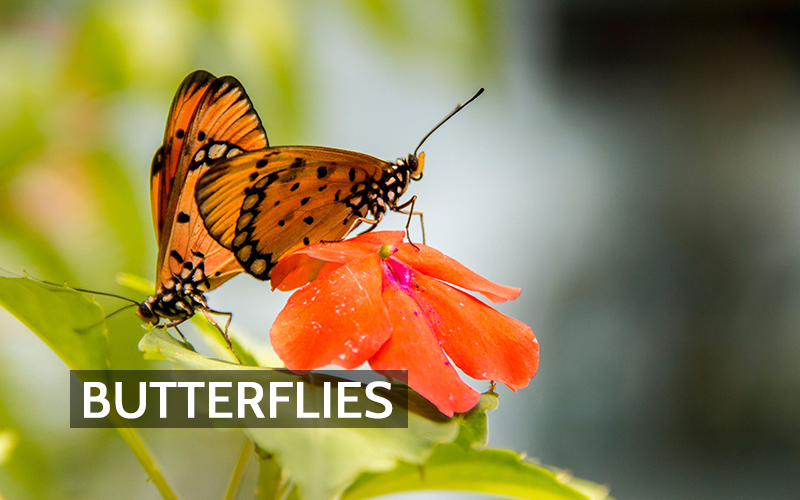
Butterflies may be associated with flowers and gardens, but much of their lives is governed by the atmosphere. Temperature determines when they can fly. Wind can carry them across landscapes. Chemical scents drifting through the air help them locate flowers and host...



