by Ryan Wilmot | Sep 19, 2026 | Articles
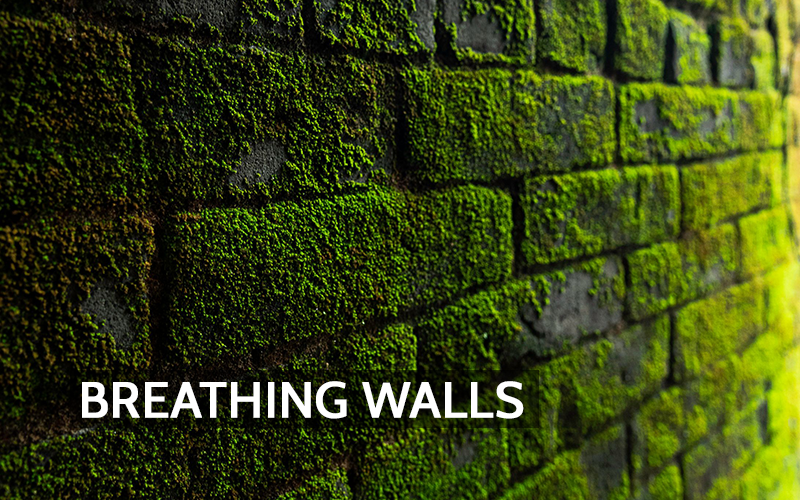
Concrete covers enormous portions of modern cities. Buildings, bridges, retaining walls, parking structures, and noise barriers create durable infrastructure, but they also replace vegetation with hard surfaces that absorb heat, shed rainwater, and provide little...

by Ryan Wilmot | Sep 18, 2026 | Articles
Breathing normally depends on thousands of small airways and millions of microscopic air sacs expanding, contracting, and exchanging gases with every breath. Chronic obstructive pulmonary disease, or COPD, gradually damages that system. COPD is not one single disease....
by Ryan Wilmot | Sep 17, 2026 | Articles
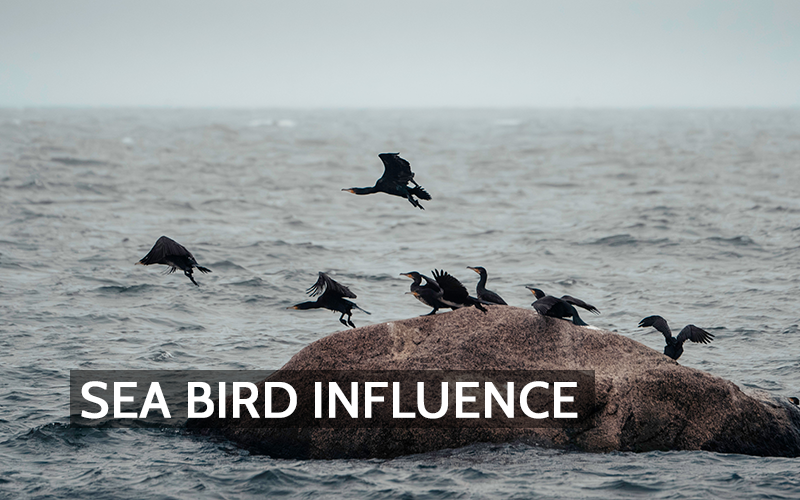
Seabirds spend much of their lives moving between two very different environments. They feed on fish, squid, krill, and other organisms at sea, then return to islands, cliffs, beaches, and coastal nesting colonies. In doing so, they transport nutrients that originated...
by Ryan Wilmot | Sep 16, 2026 | Articles
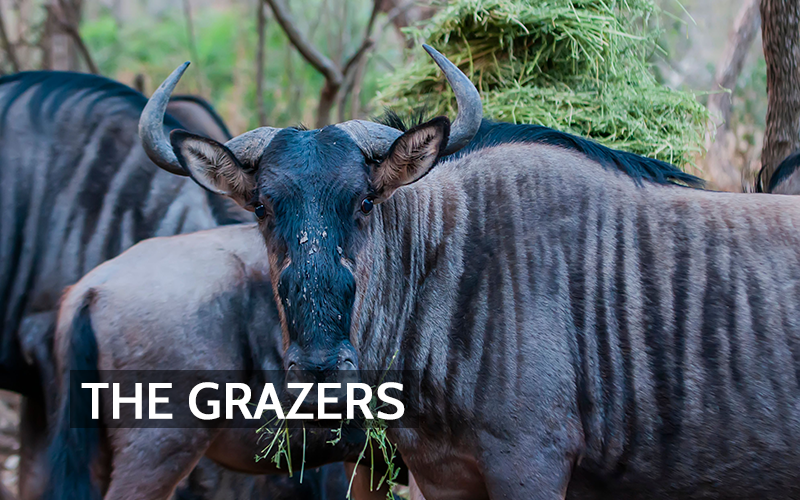
Millions of grazing animals can reshape a landscape simply by eating. Across grasslands and savannas, wildebeest, zebras, antelope, buffalo, cattle, and other large herbivores remove vegetation, redistribute nutrients, disturb soil, and change the amount of plant...
by Ryan Wilmot | Sep 15, 2026 | Articles
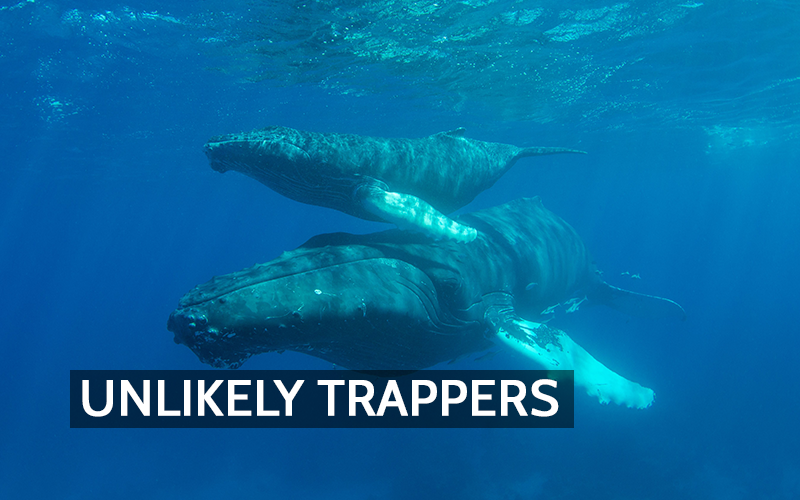
Few animals consume food on the scale of a whale. A large baleen whale can filter enormous volumes of seawater while feeding on krill, copepods, and other small organisms. In the Southern Ocean, blue, fin, humpback, and minke whales collectively consume millions of...
by Ryan Wilmot | Sep 14, 2026 | Articles
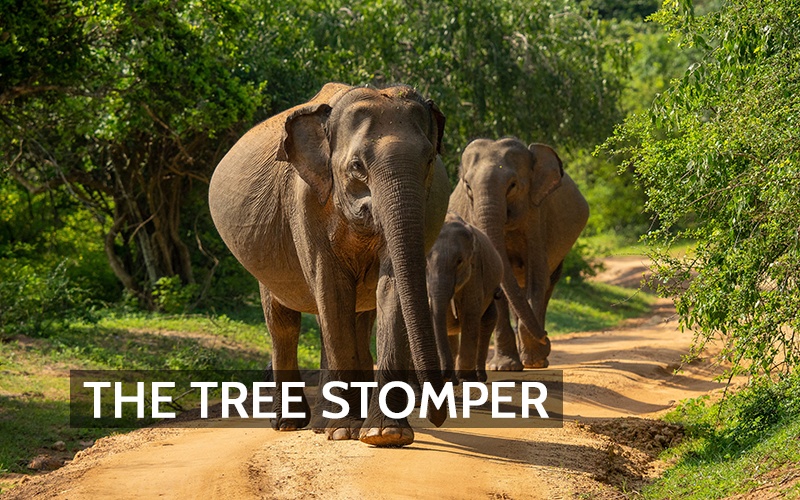
Elephants do not remove pollution from the air, and they do not capture carbon dioxide themselves. Yet few animals can alter a landscape as dramatically. By eating vegetation, knocking down trees, dispersing seeds, opening forest canopies, redistributing nutrients,...



