by Ryan Wilmot | Oct 1, 2026 | Articles
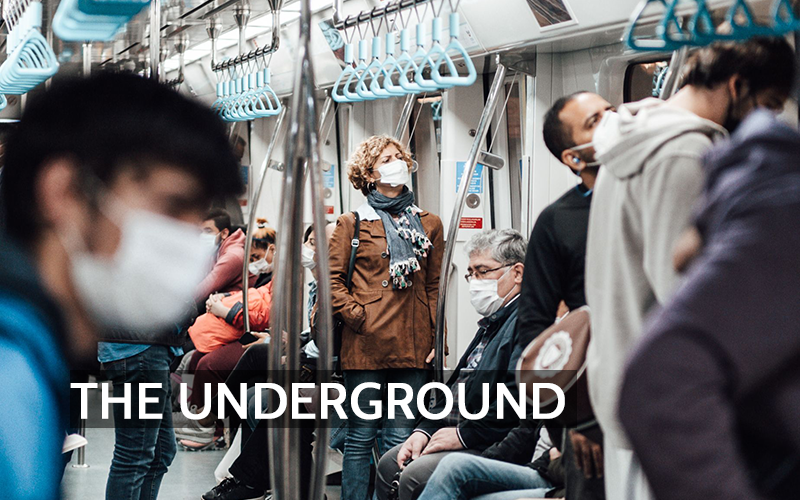
A subway train has no tailpipe. Most modern subway systems run on electricity, which means passengers standing on an underground platform are not surrounded by gasoline or diesel exhaust from the trains themselves. Yet underground stations can contain surprisingly...
by Ryan Wilmot | Sep 30, 2026 | Articles
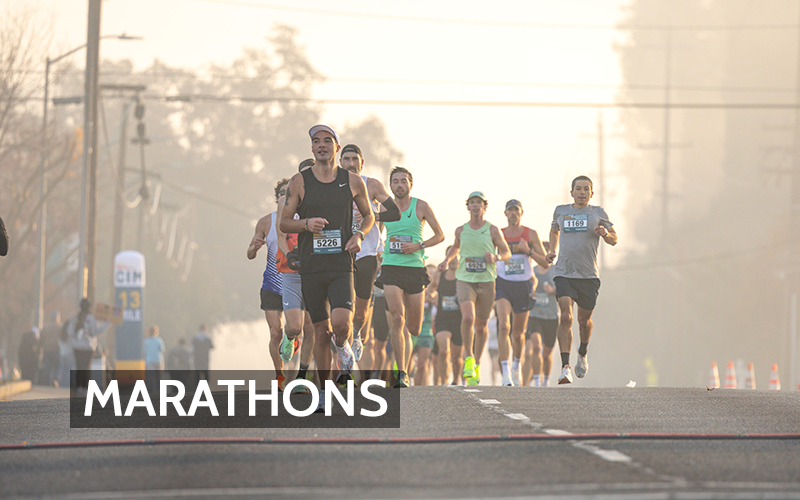
A marathon asks the human respiratory system to operate at high capacity for hours. Over 26.2 miles, runners dramatically increase how much air they inhale compared with someone standing along the course. That extra airflow supplies working muscles with oxygen—but it...
by Ryan Wilmot | Sep 29, 2026 | Articles
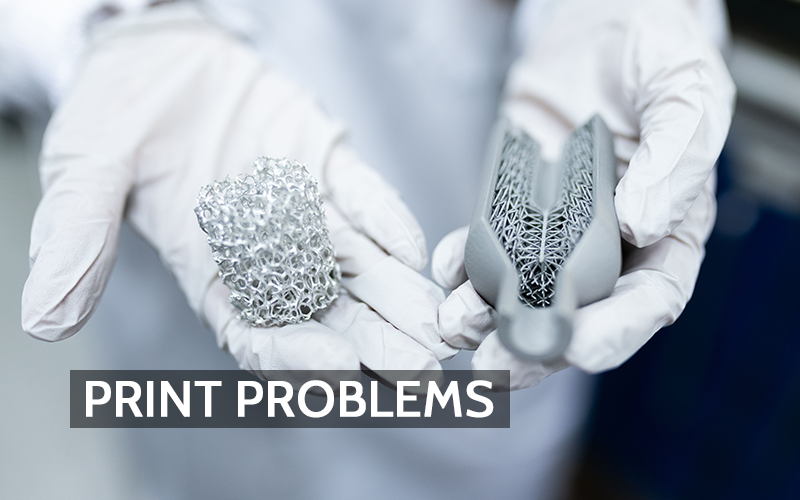
Commercial printing looks very different from desktop or 3D printing. A large facility may move thousands of feet of paper, cardboard, plastic film, or packaging material through presses every hour. Inks are transferred through rollers and plates, solvents keep...
by Ryan Wilmot | Sep 28, 2026 | Articles
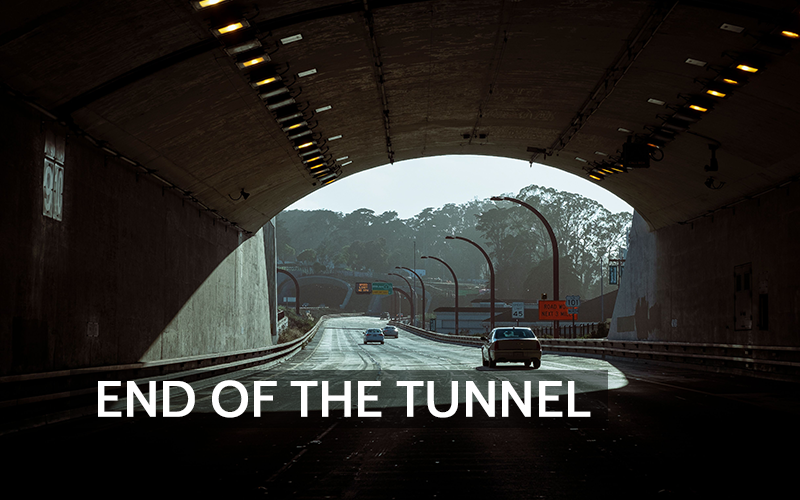
A highway tunnel solves one transportation problem by creating another. Cars and trucks can pass beneath mountains, rivers, and crowded cities, but every vehicle entering the tunnel also enters a confined space where exhaust and particles have fewer opportunities to...
by Ryan Wilmot | Sep 27, 2026 | Articles
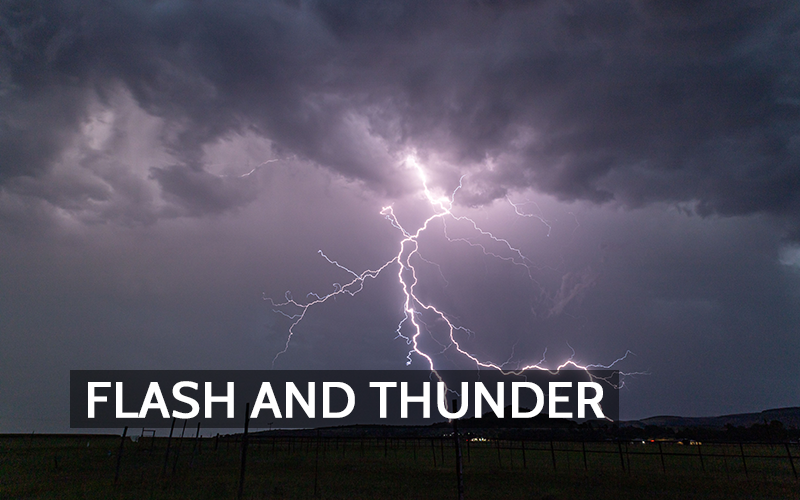
A lightning bolt lasts only a fraction of a second. Chemically, however, its effects can continue for days. The enormous temperature inside a lightning channel briefly transforms ordinary atmospheric nitrogen and oxygen into reactive nitrogen compounds. Thunderstorm...

by Ryan Wilmot | Sep 26, 2026 | Articles
Grain seems harmless when it is sitting in a bag or growing in a field. Move thousands of tons of corn, wheat, barley, oats, or soybeans through elevators, conveyors, grinders, dryers, and storage bins, however, and part of that material becomes airborne. The...



