by Ryan Wilmot | Sep 25, 2026 | Articles
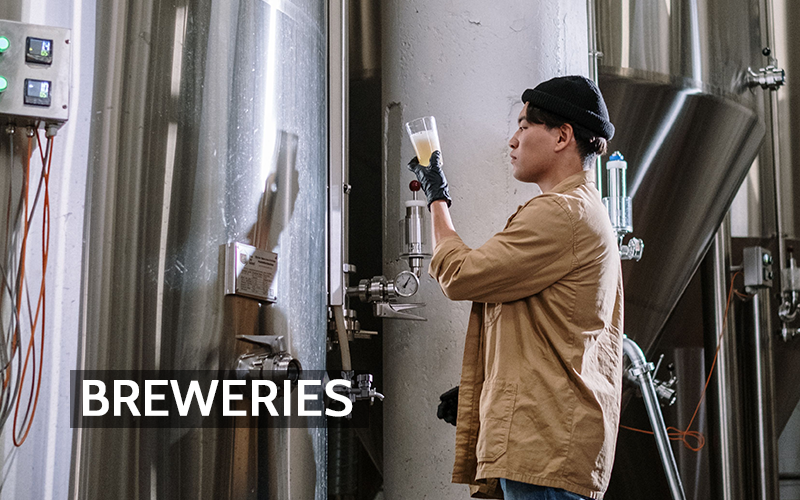
Fermentation is usually described as something happening inside a tank. Yeast consumes sugars and produces alcohol, flavors, heat, and carbon dioxide. But some of those products do not remain inside the vessel. In breweries, wineries, and distilleries, fermentation...
by Ryan Wilmot | Sep 24, 2026 | Articles
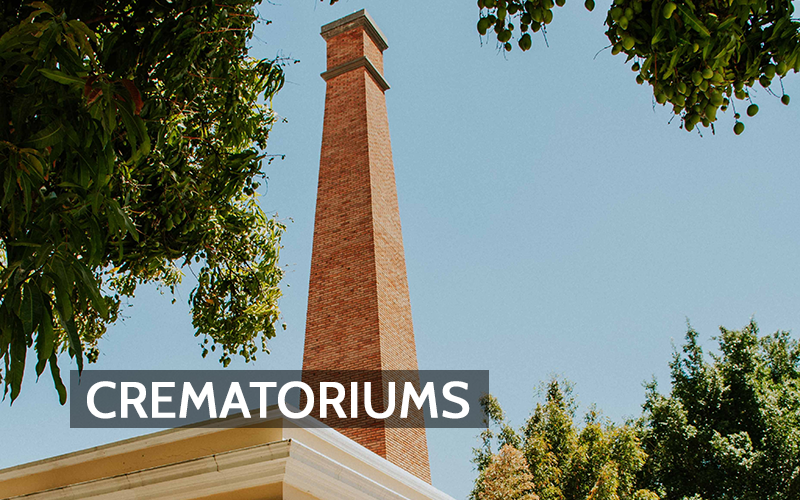
Cremation is fundamentally a combustion process. Inside a crematory furnace, or retort, high temperatures reduce a body and its container largely to mineralized bone fragments while organic material is converted into gases. Those gases eventually leave through a...
by Ryan Wilmot | Sep 23, 2026 | Articles
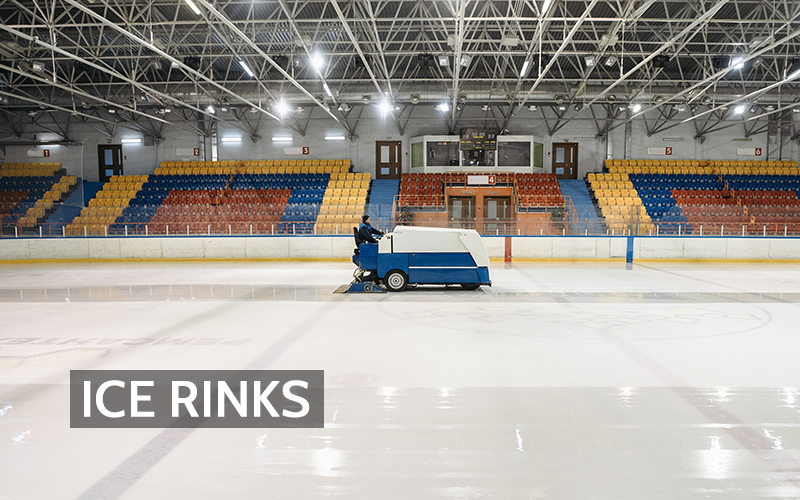
An indoor ice rink seems like a simple environment: a refrigerated sheet of ice inside a large, cold building. From an air-quality perspective, however, it is unusually complicated. For decades, many arenas have maintained their ice using resurfacing machines powered...

by Ryan Wilmot | Sep 22, 2026 | Articles
A fallen tree may remain recognizable for decades, but it is not inactive. Soon after wood, leaves, and other plant material die, fungal networks begin growing through them. Microscopic threads called hyphae penetrate the material, release enzymes, absorb nutrients,...
by Ryan Wilmot | Sep 21, 2026 | Articles
A handful of soil contains an enormous microbial community. Many of those microorganisms spend their lives dismantling material that falls onto the ground: dead leaves, roots, animal waste, sugars released by living plants, and the remains of other microorganisms. For...
by Ryan Wilmot | Sep 20, 2026 | Articles
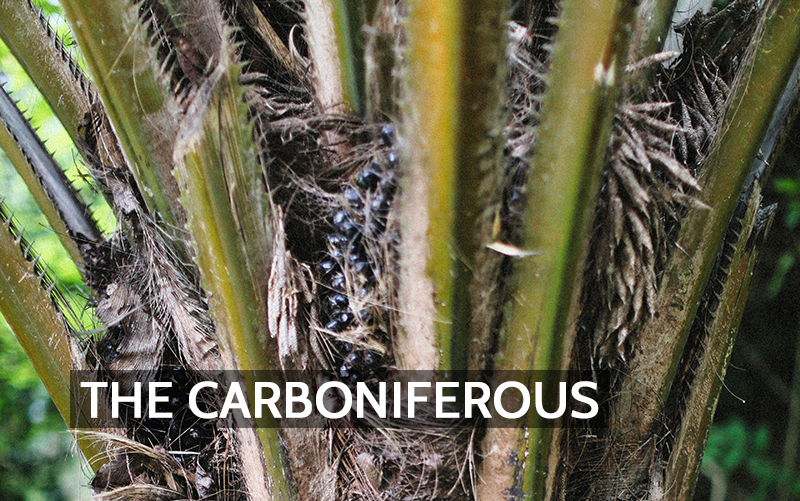
Few materials have changed the atmosphere as dramatically as coal. Burning coal helped power the Industrial Revolution, generate electricity, manufacture steel, and build modern industrial economies. It has also been a major source of sulfur dioxide, nitrogen oxides,...



