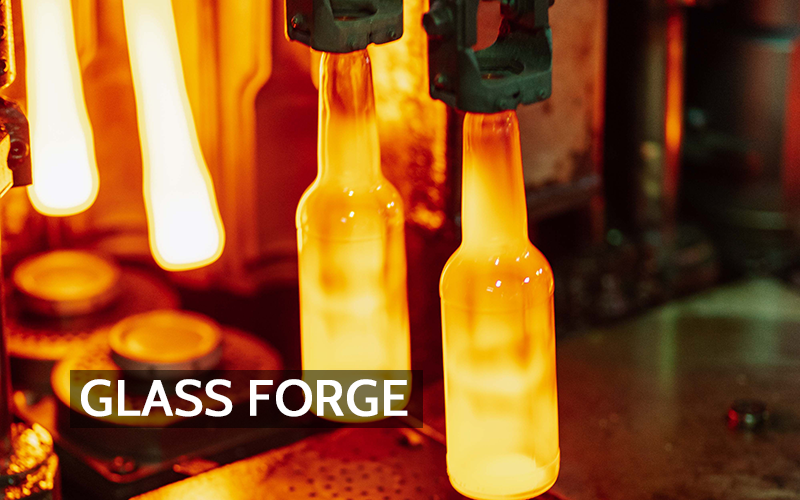
A glass bottle or window starts with mineral ingredients, recycled glass, and intense heat. Before those ingredients become a smooth, solid product, they pass through several stages that can release particles or gases. Dust from raw materials has different properties from furnace exhaust or coating emissions. Following the process shows why glass plants need several kinds of air-quality controls.
Mixing the Mineral Batch
Common soda-lime glass begins with silica sand, soda ash, limestone, and other ingredients. These materials are weighed and mixed into a batch before entering the furnace. Unloading, conveying, mixing, and feeding can release fine dust, including crystalline silica from the sand. The smallest particles can reach deep into the lungs, where excessive exposure can cause silicosis, a serious lung-scarring disease.
Enclosed conveyors and transfer points help keep powder inside the equipment. Local exhaust captures dust where materials enter mixers, hoppers, or furnace feeders. Appropriate dust-suppression methods can further reduce releases where the recipe allows them. Cleaning methods also matter because settled batch dust can become airborne again when disturbed.
Cullet Reduces Raw Material Demand
Broken glass used as a raw material is called cullet. Returning it to the furnace reduces the need for fresh minerals and can lower melting energy requirements. Crushing, sorting, and transferring cullet can still generate dust. Ordinary bottle and window glass has a noncrystalline structure, so its dust differs from crystalline quartz dust in raw sand. Cullet dust nevertheless needs assessment for fine particles, contamination, and the composition of the glass being recycled.
Colorants Add Another Layer
Small amounts of metal compounds can change glass color or other properties. Cobalt oxide, for example, is used to produce blue glass, while iron and chromium compounds contribute to other colors. Handling these powders can add metal-containing particles to batch-room dust. Their hazards depend on the chemical form, airborne concentration, and size of the particles. Ingredient-specific assessment helps determine which substances need particular attention during handling and melting.
What Happens in the Furnace?
The batch is melted at temperatures that can reach roughly 1,500°C, or 2,730°F. In fuel-fired furnaces, the high temperatures can cause nitrogen and oxygen in combustion air to react, forming nitrogen oxides, or NOx. Other nitrogen sources in fuels or batch ingredients can also contribute. Sulfur dioxide can arise from sulfur in the fuel and sulfate ingredients in the batch.
Furnace particles are more than raw powder carried along by moving gases. Some materials evaporate at high temperatures and then form fine particles as the exhaust cools. Depending on the recipe, this particulate matter can contain metal compounds and other substances from the melt. Furnace design, fuel, batch composition, and operating conditions all affect the emissions. Electric melting reduces on-site combustion emissions, while releases associated with the glass ingredients still require consideration.
Hot-End Coatings Create Separate Emissions
Newly formed bottles and jars may receive a thin metal-oxide coating while they are still hot. This treatment helps protect the surface and supports later protective coatings. Common processes use tin or titanium compounds applied within a coating hood. Their emissions can include fine metal-oxide particles, unreacted coating chemicals, and hydrogen chloride gas. Capture at the coating station and suitable exhaust treatment help keep these releases out of occupied areas and reduce outdoor emissions.
Matching Controls to Each Pollutant
Fabric filters trap furnace particles in filter material, while electrostatic precipitators collect them using electrical charges. NOx control uses different approaches, including combustion changes or dedicated treatment of the exhaust gas. Acid gases may require additional treatment, such as scrubbing or reactions with suitable absorbent materials. The equipment combination needs to reflect the actual furnace, glass recipe, and downstream operations.
Workplace exposure and stack emissions also need separate evaluation. Stack measurements describe releases through a particular exhaust outlet, while personal air sampling helps assess what workers breathe during specific tasks. A total dust measurement alone does not establish the crystalline silica content or identify which metals are present. Effective air management therefore combines source capture, appropriate exhaust treatment, maintenance, and measurements suited to each stage.