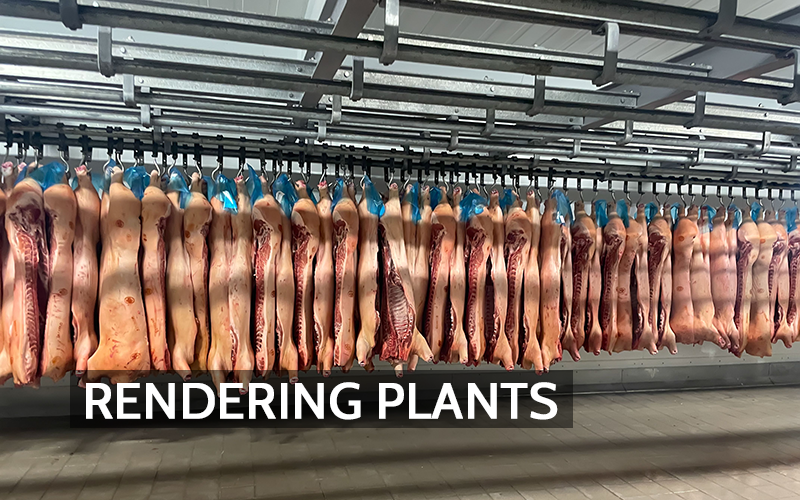
Rendering plants recover fats and protein-rich materials from animal byproducts. They heat and separate tissues that might otherwise become waste. The process can release a changing mixture of gases, vapors, particles, and odors. Managing these emissions requires attention to receiving areas, cooking equipment, wastewater, and exhaust treatment.
Emissions Begin Before Cooking
Raw materials can begin releasing odors during transport, unloading, and storage. Biological breakdown produces volatile chemicals, with the mixture influenced by material condition, holding time, and temperature. Prompt processing, suitable temperature control, covered containers, and clean receiving areas help limit these releases. Spilled material and residue in vehicles, drains, or storage bins can continue producing odors after a delivery ends.
Cooking, Particles, and Wastewater
Heating releases water vapor and chemicals already present in the material or formed during processing. The emissions can include volatile organic compounds, or VOCs, such as organic acids and aldehydes, alongside ammonia and sulfur-containing gases such as hydrogen sulfide. Hot process exhaust can also carry particles and grease aerosols, meaning tiny airborne fat droplets. The composition and amount vary with the raw material and operating conditions.
After fat separation, protein solids may be dried, ground, and screened into meal products. These dry operations can release dust that requires collection. Meanwhile, wash water, drainage from raw materials, and cooker condensate carry organic matter into wastewater handling. Breakdown of this material in oxygen-poor areas can generate further odors, including sulfur compounds.
Capturing Air Before Treating It
Enclosing receiving areas and extracting air directly from processing equipment helps limit uncontrolled releases. Maintaining lower pressure inside an enclosure encourages air to flow inward through openings and toward treatment equipment. Concentrated cooker exhaust may be handled separately from the larger volume of building ventilation air. Open doors, damaged seals, or leaking ducts can allow emissions to bypass the treatment system.
Cooker vapors are often cooled in condensers. This turns much of the water vapor into liquid and reduces the volume of gas needing further treatment. Some odorous compounds remain gaseous and still require control. The collected condensate also needs proper management because removing it from the air creates a liquid waste stream.
Wet Scrubbers and Biofilters
A wet scrubber brings contaminated air into contact with liquid so selected pollutants dissolve or react. Different solutions and treatment stages target different parts of the chemical mixture. Removing particles and grease before gas treatment helps protect downstream equipment from deposits and fouling. Scrubber liquid also needs monitoring and management as it collects or reacts with contaminants.
Biofilters pass air through moist, porous material that supports microorganisms. Pollutants transfer into moisture around the media, where biological reactions remove or transform many odor-producing compounds. Effective treatment depends on suitable moisture, oxygen, temperature, and enough contact time. Dry spots, compacted media, or an excessive pollutant load can reduce performance and allow odors through.
Thermal Oxidizers Treat Concentrated Exhaust
Thermal oxidizers use controlled high-temperature combustion to destroy many organic odor compounds. They are often used for concentrated process exhaust. Effective operation depends on temperature, sufficient treatment time, and good mixing with combustion air. Fuel demand and combustion emissions require consideration, and sulfur-containing streams may need additional treatment for acid gases formed during oxidation.
Odor and Air Quality Need Different Checks
A strong smell alone does not establish the level of toxic exposure. Some substances are detectable by smell at very low concentrations, while other chemicals can harm health at sufficient exposures. Odors can still disrupt daily life and cause temporary symptoms such as headaches or nausea. Assessments therefore need to consider chemical concentrations alongside odor frequency, intensity, and duration.
Routine checks need to cover capture airflow as well as the treatment equipment. Biofilter moisture, scrubber liquid condition, and oxidizer temperature provide information about how systems are operating. Testing air before and after treatment helps confirm whether pollutants are actually being removed. Production records, maintenance findings, weather information, and community observations can help identify intermittent releases that a single test might miss.
References
- EPA: Meat Rendering Processes, Emissions, and Controls
- Environment Agency: Appropriate Measures for Odor Management
- Environment Agency: Biofilters, Scrubbers, and Emissions Control
- EPA: Thermal Oxidizers and Performance Monitoring
- EPA: Thermal Incinerator Technology Fact Sheet
- ATSDR: Environmental Odors and Health