Air Quality Articles
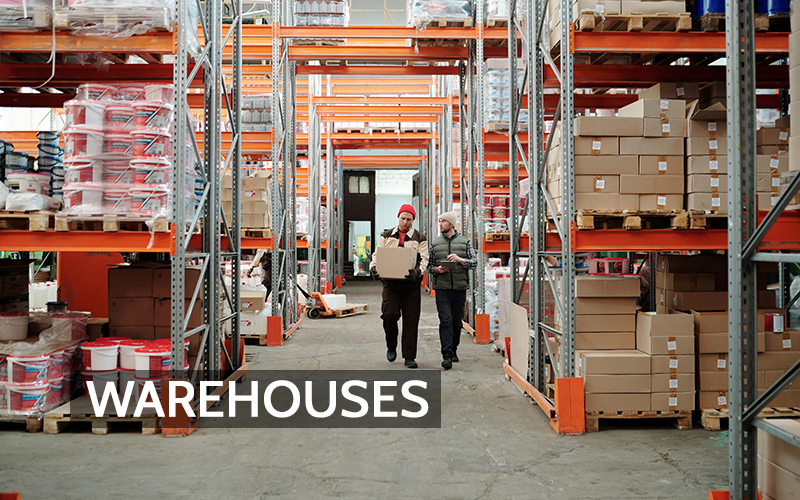
Air Quality in Warehouses and Distribution Centers
Warehouses and distribution centers can accumulate vehicle exhaust, packaging dust, loading-dock pollution, and battery-related emissions, showing why even an enormous indoor space still depends on careful ventilation and air-quality management.

Air Quality in Funeral Home Preparation Rooms
Funeral home preparation rooms require carefully controlled ventilation to capture formaldehyde and other chemical vapors while preventing contaminants from spreading into the public areas of the building.

Air Quality in Fiberglass and Boatbuilding Shops
Fiberglass manufacturing can release styrene and other VOCs during molding and curing while trimming and sanding generate composite dust, making process design and ventilation important tools for controlling the air workers breathe.

Air Quality in Indoor Firing Ranges
Indoor firing ranges rely on carefully controlled airflow, negative pressure, filtration, and cleaning to prevent lead-containing particles from reaching shooters, workers, and other parts of the building.

Air Quality in Pottery and Ceramic Studios
Pottery and ceramic studios can generate invisible silica-containing dust before firing and gases and fumes during kiln use, making careful cleaning, material handling, and ventilation important parts of maintaining healthy studio air.

Engineered Stone Countertops and Silica Dust
Engineered stone fabrication can release microscopic silica dust during cutting, grinding, drilling, and polishing, making effective dust control an important part of protecting air quality inside countertop shops.
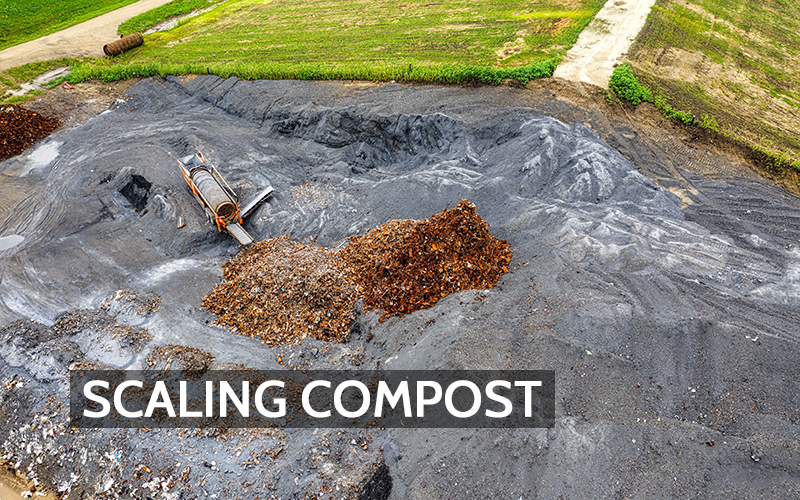
Industrial Composting: When Decomposition Moves From the Forest Floor to a Facility
Industrial composting concentrates natural decomposition into a managed facility, where controlling oxygen, moisture, gases, odors, dust, and bioaerosols is essential to turn organic waste into useful compost without creating an air-quality problem for workers or nearby communities.

Greenhouses and Indoor Farms: When Plants Become Part of the HVAC System
Greenhouses and indoor farms transform air into a carefully managed crop input, balancing elevated carbon dioxide, humidity, bioaerosols, agricultural chemicals, plant emissions, and ventilation to create an environment that supports both plant growth and worker health.

Hospitals as Engineered Air Environments: Keeping Contamination Moving in the Right Direction
Hospitals use pressure control, filtration, ventilation, and specialized exhaust to direct airborne contamination away from vulnerable patients and workers while also managing pollutants from surgery, sterilization, cleaning, and emergency power systems.

Data Centers and Air Quality: The Pollution Behind the Cloud
Data centers can affect local air quality through backup diesel generators, cooling systems, refrigerant leaks, and construction activity, making their physical infrastructure an increasingly important part of environmental planning.

Inside Livestock Barns: Ammonia, Dust, Methane, and the Air Around Animal Agriculture
Enclosed livestock barns can generate ammonia, methane, hydrogen sulfide, dust, endotoxins, and animal-derived particles, with some emissions affecting workers indoors and contributing to regional air pollution after leaving the facility.

Coffee in the Air: When Roasting Becomes an Industrial Air-Quality Issue
Coffee roasting plants can affect air quality through smoke, VOCs, carbon monoxide, chaff, dust, and naturally occurring compounds such as diacetyl, making ventilation and source control important throughout roasting, grinding, and packaging.

Protecting the Past From the Air: How Museums and Archives Control Their Atmosphere
Museums and archives carefully control particles, reactive gases, VOCs, temperature, and humidity to protect artifacts from slow chemical damage while still maintaining a healthy environment for visitors and staff.

After the Fire: The Hidden Air-Quality Challenge Inside Fire Stations
Fire stations can become secondary exposure environments when diesel exhaust, soot, contaminated gear, chemical vapors, and tracked-in particles move from apparatus bays and equipment areas into occupied living spaces.
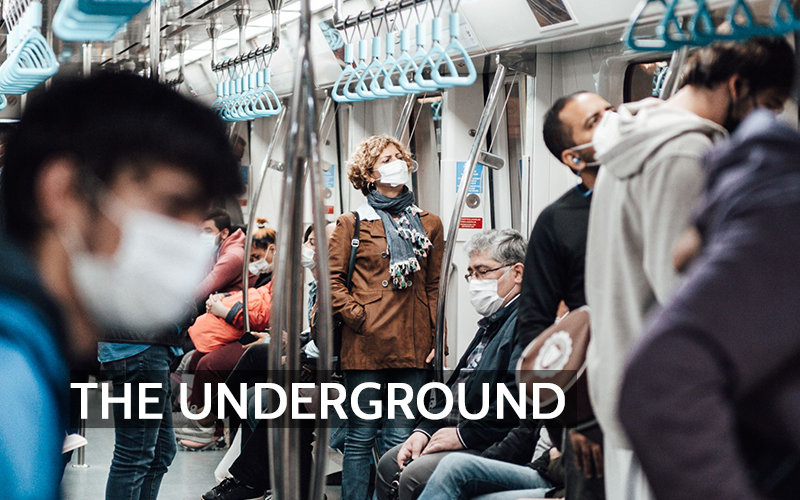
Air Beneath the City: What Makes Subway Pollution Different?
Subway air can contain high concentrations of metal-rich particulate matter from wheels, rails, brakes, electrical equipment, and resuspended tunnel dust, making ventilation, cleaning, and regenerative braking important tools for reducing exposure.

Running Through the City: How Air Quality Can Shape a Marathon
Marathon runners inhale far more air than sedentary spectators, making race-day pollution from NO₂, PM2.5, ozone, traffic, and wildfire smoke an important factor in both performance and event planning.
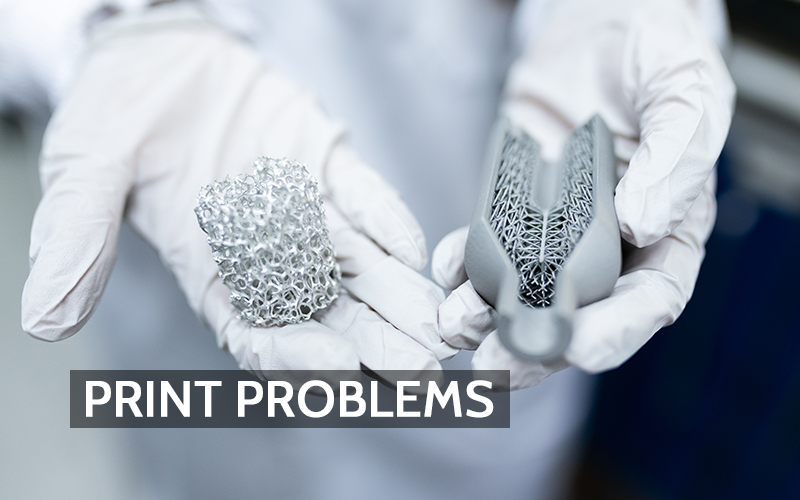
Ink in the Air: Understanding Air Quality Inside Commercial Printing Plants
Commercial printing plants can affect air quality through solvent vapors, VOCs, paper dust, cleaning chemicals, and curing emissions, while newer inks, ventilation, and pollution-control systems help reduce those exposures.

Inside a Highway Tunnel: How Engineers Keep Vehicle Exhaust From Accumulating
Highway tunnels rely on sensors, jet fans, ducted ventilation, and emergency smoke controls to prevent vehicle exhaust and non-exhaust particles from accumulating in enclosed roadways.

Lightning as a Chemical Reactor: How Thunderstorms Change the Atmosphere
Lightning acts as a natural atmospheric reactor, using extreme heat to create nitrogen oxides that can influence ozone formation, methane chemistry, and the broader nitrogen cycle.

When Food Becomes Airborne: Understanding Dust in Grain Elevators and Silos
Grain elevators and silos can generate airborne dust containing plant material, fungal spores, endotoxins, and other contaminants, creating both respiratory risks and potentially explosive conditions when dust accumulates or becomes suspended.

Fermentation in the Air: How Breweries, Wineries, and Distilleries Manage Indoor Air Quality
Breweries, wineries, and distilleries can face indoor air-quality risks from fermentation carbon dioxide, ethanol vapors, cleaning chemicals, and combustion sources, making ventilation and gas monitoring essential parts of safe production.
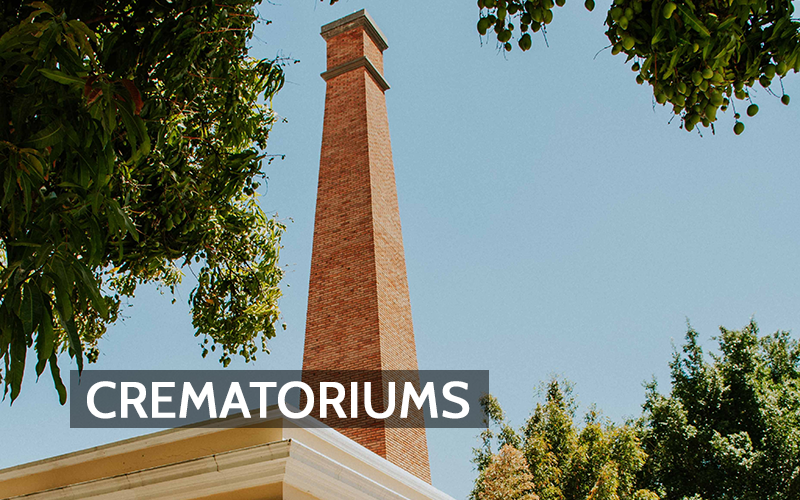
What Leaves the Stack? Understanding Air Quality Around Crematoriums
Crematoriums can release particulate matter, nitrogen oxides, carbon monoxide, VOCs, and mercury, making combustion quality, filtration, and local air-permitting requirements central to controlling emissions.
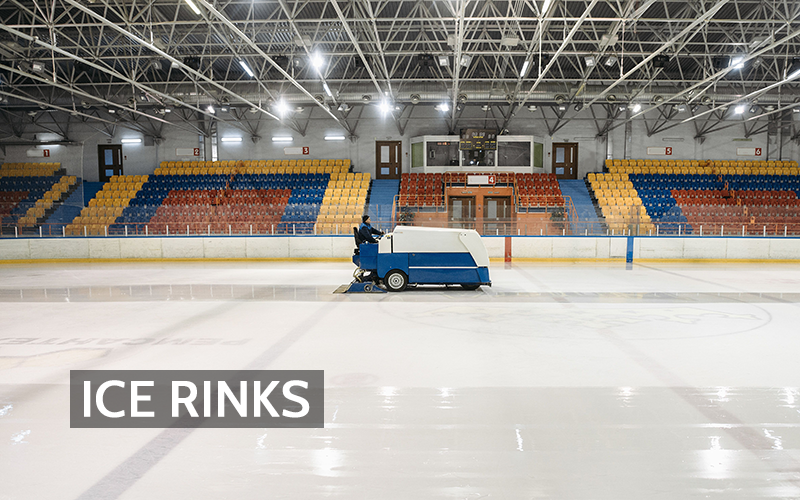
Cold Ice, Hot Exhaust: Understanding Air Quality Inside Indoor Ice Rinks
Indoor ice rinks can accumulate carbon monoxide and nitrogen dioxide from combustion-powered resurfacing equipment, making ventilation, engine maintenance, direct air monitoring, and increasingly electric machines important for protecting skaters and spectators.

The Chemistry of Decay: How Fungal Decomposers Influence the Atmosphere
Fungal decomposers influence atmospheric chemistry by breaking down dead plant material, releasing carbon dioxide and volatile compounds, producing airborne spores, and contributing to cloud and nitrogen chemistry.
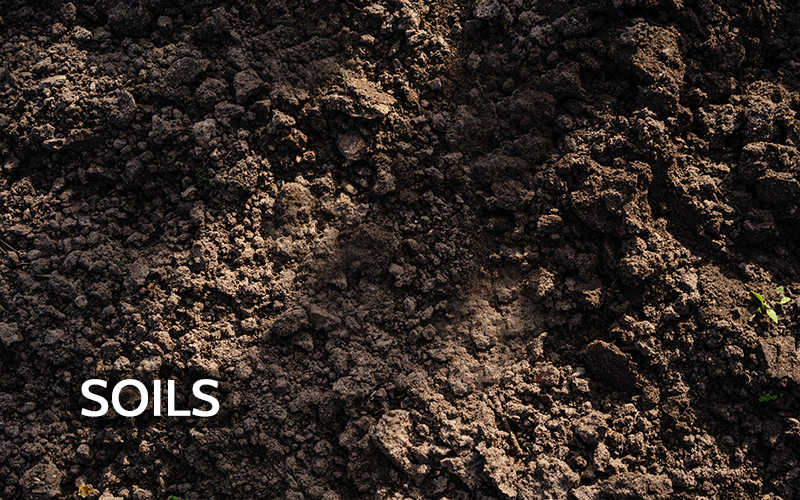
The Chemistry Beneath Our Feet: How Soil Bacteria Shape the Atmosphere
Soil bacteria shape atmospheric chemistry by decomposing organic matter, cycling nitrogen, releasing gases such as carbon dioxide and nitrous oxide, and even consuming trace gases like methane from the air.
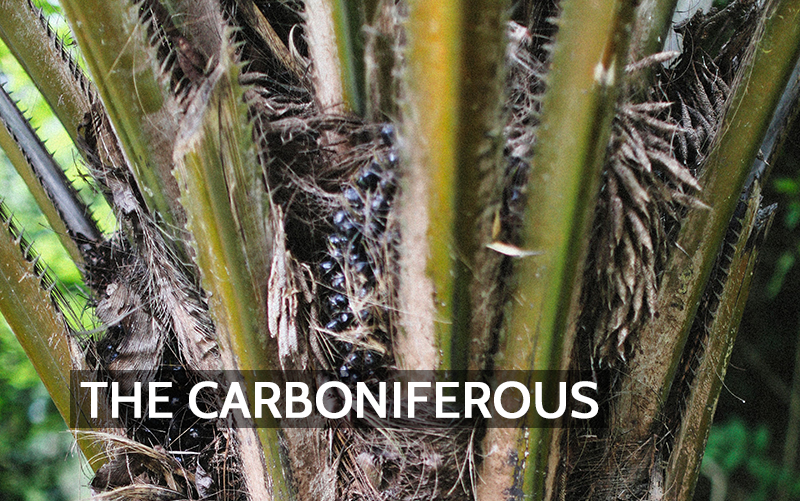
How the Carboniferous Period Built an Energy Resource
Much of the coal that later powered industrial society began as vast Carboniferous wetlands, where plant material accumulated, was buried, and transformed by heat and pressure over hundreds of millions of years.

Can Concrete Grow Moss? How Respyre Is Turning City Walls Into Living Surfaces
Respyre’s Mosscrete turns concrete walls into living surfaces that may help capture airborne particles, retain rainwater, support biodiversity, and moderate urban heat while researchers continue measuring its real-world impact on city air quality.

COPD and the Air We Breathe: Understanding a Major American Lung Disease
COPD is a chronic lung disease shaped by smoking, occupational exposures, and air pollution, with treatment increasingly focused on controlling symptoms, preventing exacerbations, and targeting different forms of the disease.

Between Sea and Sky: How Seabirds Influence Atmospheric Chemistry and Air Quality
Seabirds spend much of their lives moving between two very different environments. They feed on fish, squid, krill, and other organisms at sea, then return to islands, cliffs, beaches, and coastal nesting colonies. In doing so, they transport nutrients that originated...

Hooves, Fire, and the Atmosphere: How Wildebeest and Other Grazers Influence Air Quality
Wildebeest and other grazers can influence air quality by reducing wildfire fuel, reshaping vegetation and carbon storage, redistributing nutrients, disturbing soil, and contributing natural methane emissions.

The Whale Pump: How Whales Help Move Carbon Through the Ocean
Whales contribute to ocean carbon cycling by recycling iron and other nutrients that support phytoplankton growth, helping move carbon from surface waters into deeper marine ecosystems.

Giants That Reshape the Air: How Elephants Influence Forests, Carbon, and the Atmosphere
Elephants influence the atmosphere indirectly by reshaping forests and savannas, altering carbon storage, seed dispersal, vegetation structure, nutrient cycling, and the fuels that determine how landscapes burn.

Beavers and the Atmosphere: How Dam Building Can Influence Air Quality and Carbon
Beavers influence air quality indirectly by creating wetlands that store carbon, retain moisture, alter methane emissions, and can reduce wildfire severity and the smoke produced by burning landscapes.

When the Bog Burns: How Drying Peatlands Release Centuries of Stored Carbon
Drying peatlands can transform long-term carbon stores into major sources of carbon dioxide and smoke, while fire can release centuries of accumulated carbon in a matter of days or weeks.

A Timeline of New York City Air Quality After 9/11
New York City’s air quality after 9/11 evolved from an intense dust and smoke emergency into months of cleanup-related exposure and years of monitoring, indoor remediation, and health investigation.

Opening the Archive: New York City Releases Long-Withheld 9/11 Air Quality Records
New York City’s release of long-withheld 9/11 air-quality records gives the public new access to environmental data, internal communications, and unanswered questions about how officials managed and disclosed post-attack health risks.

The Lungs’ Tiny Cleaning Crew: How Cilia Protect the Respiratory System
Cilia protect the respiratory system by moving mucus, trapped particles, and microorganisms out of the airways, forming a continuous cleaning system that helps keep the lungs clear.

Wings & Wind: How Butterflies Stay Afloat in the Air
Butterflies depend on clean, stable atmospheric conditions for flight, navigation, feeding, and reproduction, while pollutants such as ozone, particulate matter, and excess nitrogen can disrupt both the insects and the plants they rely on.
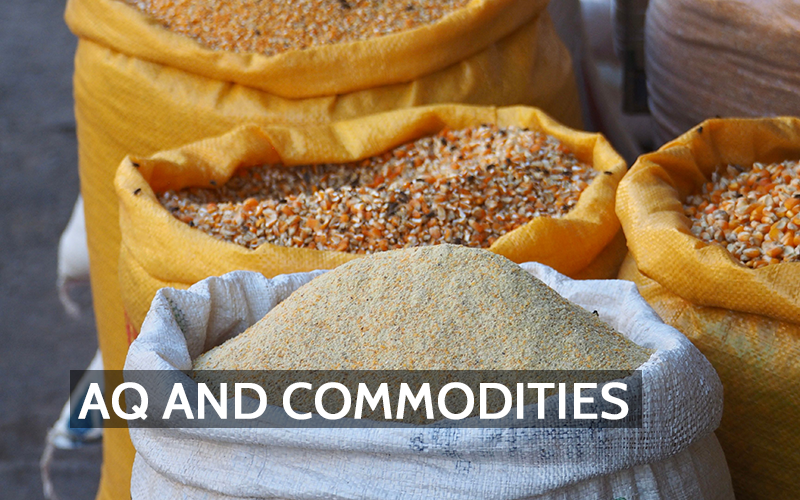
Markets in the Air: How Commodity Prices and Air Quality Interact
Commodity markets and air quality influence one another through changes in fuel use, agricultural productivity, and environmental rules that reshape demand for cleaner or more polluting materials.

Otters, Urchins, and Carbon: How Sea Otter Recovery Can Help Restore Kelp Forests
Sea otters can help restore kelp forests by reducing sea urchin grazing, increasing coastal carbon capture and strengthening the potential for long-term carbon storage in marine ecosystems.

Rare Earths in the Desert: Air Quality and the Environmental Legacy of California’s Mountain Pass Mine
California’s Mountain Pass rare-earth mine illustrates how mineral extraction and refining can create dust, chemical emissions, and wastewater risks while supplying materials essential to modern electronics and clean-energy technologies.

Trade Policy in the Air: How Tariffs Can Interact With U.S. Air Quality
Tariffs can influence U.S. air quality indirectly by changing the cost of clean-energy technologies, the pace of vehicle electrification, and where pollution-intensive manufacturing takes place.
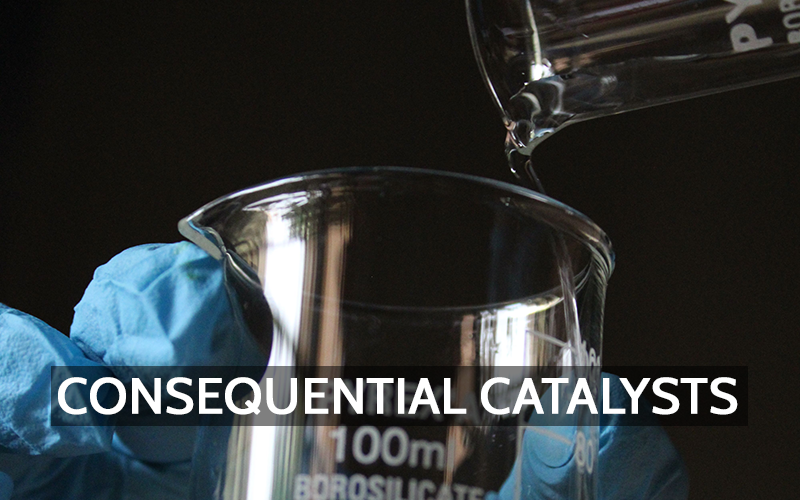
How Catalysts Help Create Airborne Pollutants
Catalysts, reactive surfaces, metals, sunlight-driven chemistry, and airborne particles can accelerate reactions that transform existing gases into entirely new indoor and outdoor air pollutants.

Understanding Air Quality in Salons and Beauty Shops
Nail salons, hair salons, and beauty shops can contain a complex mix of chemical vapors, aerosols, dust, fragrances, and disinfectants, making ventilation and source control especially important for workers with repeated daily exposure.

How Swimming Pools Affect Air Quality
Swimming pools can affect air quality through chloramines, humidity, chemical vapors, and aerosols, making proper water treatment, ventilation, and facility design essential for protecting swimmers and staff.

Eight Worlds, Eight Skies: The Atmospheres of the Planets in Our Solar System
From Mercury’s near-vacuum to Venus’s dense carbon dioxide atmosphere and the hydrogen-rich skies of the outer planets, each world shows how atmospheric chemistry helps define an entire planetary environment.
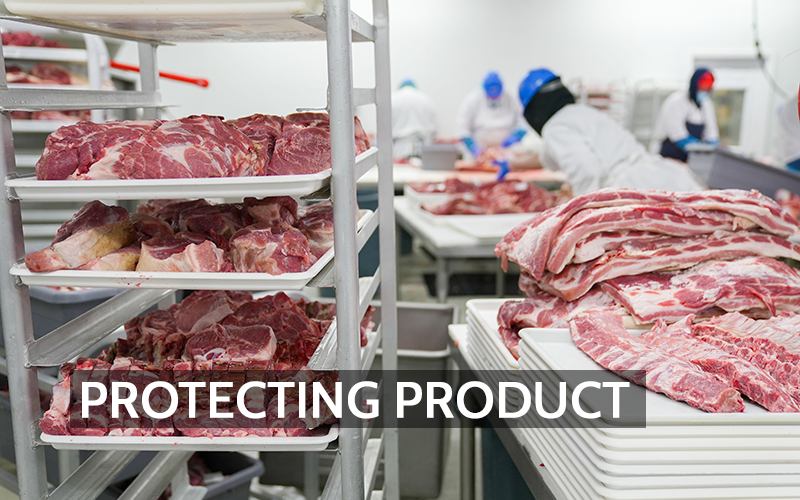
Protecting Food Before the Package Closes: How Processing Plants Control Air Quality
Food processing and packaging plants control filtration, humidity, pressure, airflow, and compressed air to prevent airborne contamination from shortening shelf life or spoiling finished products.

Where Air-Quality Information Comes From and How to Avoid Misinformation
Air quality has become remarkably easy to check. A smartphone weather app may display an Air Quality Index beside the temperature. News stations report wildfire smoke moving into a region. Government websites provide pollution forecasts, while inexpensive sensors...

Exhaust at the Track: Air Quality at Car and Motorcycle Racing Events
Car and motorcycle racing events can expose attendees and workers to exhaust gases, tire and brake particles, fuel vapors, and dust, making ventilation, monitoring, and cleaner event operations increasingly important.

Air Beneath the Earth: What Shapes the Atmosphere Inside Caves?
Cave air is shaped by geology, groundwater, microbes, animals, and limited ventilation, creating environments where gases such as carbon dioxide, radon, hydrogen sulfide, and methane can accumulate.
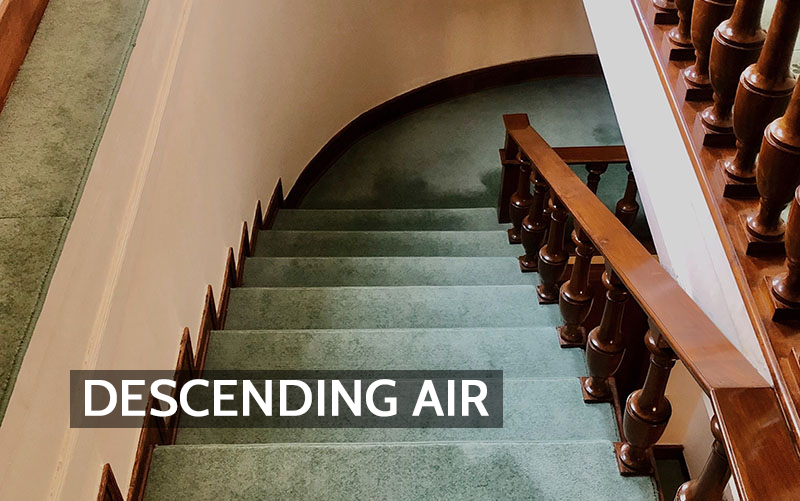
Keeping the Air Moving: Why Indoor Air Circulation Matters
Indoor air circulation helps distribute heating and cooling, move pollutants toward filters and exhaust systems, and prevent stagnant areas where heat, humidity, odors, and contaminants can accumulate.

What Is Swamp Gas?
Swamp gas forms when microorganisms break down organic matter in oxygen-poor wetlands, releasing methane, carbon dioxide, and sometimes hydrogen sulfide into the surrounding atmosphere.
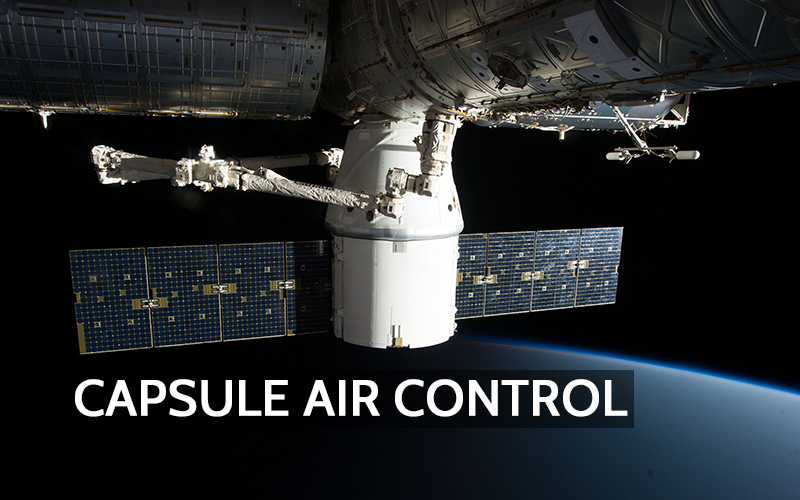
No Open Windows in Orbit: How the International Space Station Maintains Air Quality
The International Space Station maintains breathable air by continuously removing carbon dioxide, controlling humidity, filtering particles and trace chemicals, generating oxygen, and monitoring its sealed cabin atmosphere.

Before the Smokestack: Air Pollution Before the Industrial Revolution
Long before factories and automobiles, people faced air pollution from dust storms, volcanic gases, wood and coal smoke, metalworking, and the waste and combustion of crowded preindustrial cities.

Where Ocean Meets Atmosphere: How Coastal Environments Shape Air Quality
Coastal air quality is shaped by sea salt, marine biology, changing winds, humidity, shipping emissions, and the constant exchange of particles and gases between ocean and atmosphere.
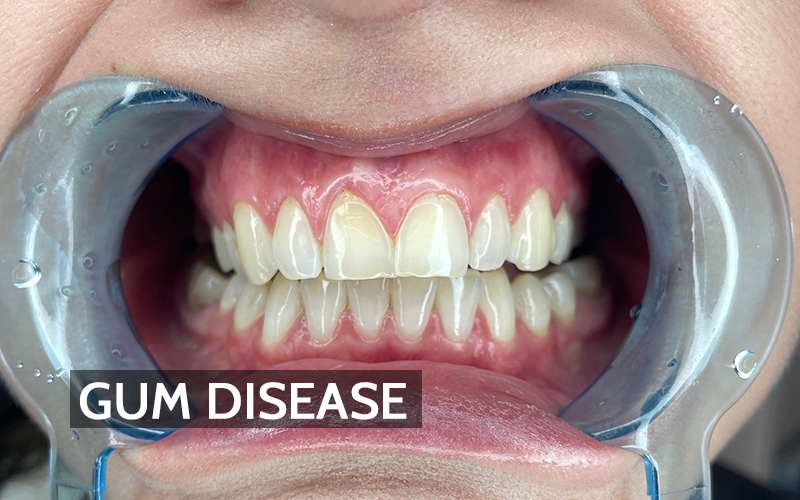
Pollution Beyond the Lungs: How Air Quality May Affect Gum Health
Emerging research suggests that air pollution may contribute to gum inflammation and periodontal tissue damage by exposing oral tissues to fine particles and increasing oxidative and inflammatory stress.
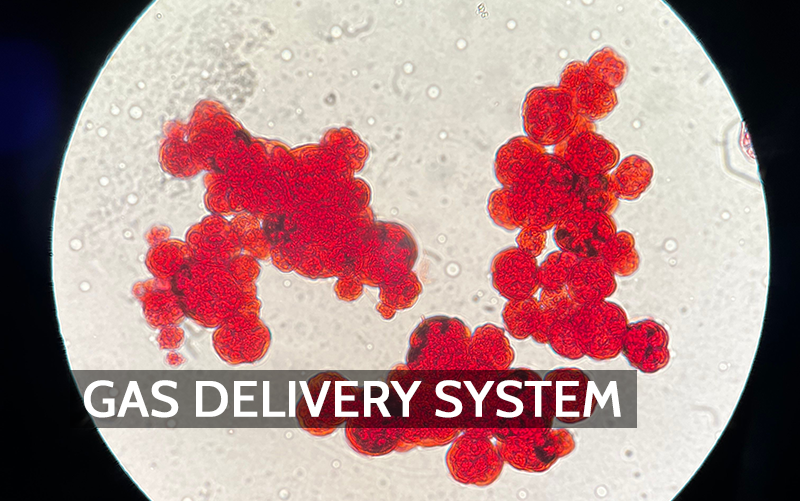
From Breath to Blood: How Red Blood Cells Manage Gas Exchange in the Human Body
Red blood cells transport oxygen from the lungs to tissues and help carry carbon dioxide back to the lungs, linking every breath to the body’s continuous cycle of gas exchange.
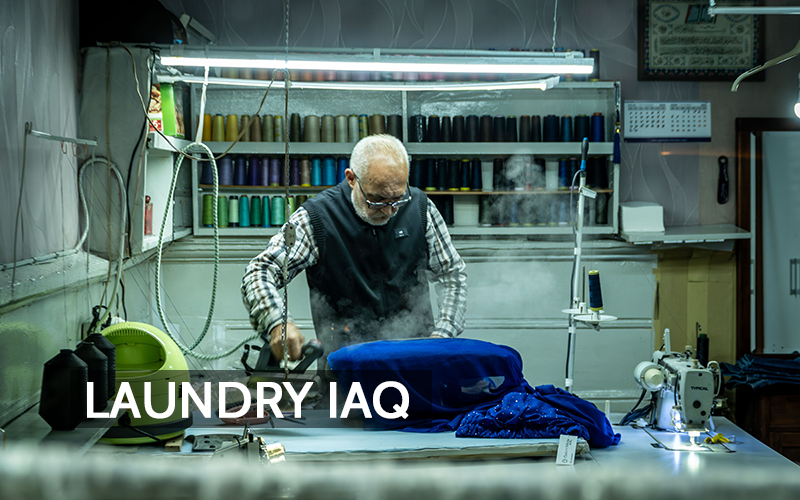
Behind the Counter: Air-Quality Risks in Dry Cleaners and Commercial Laundries
Dry cleaners and commercial laundries face indoor air-quality risks from solvents, chemical vapors, lint, contaminated textiles, heat, and combustion emissions, making ventilation and careful chemical handling essential for worker protection.
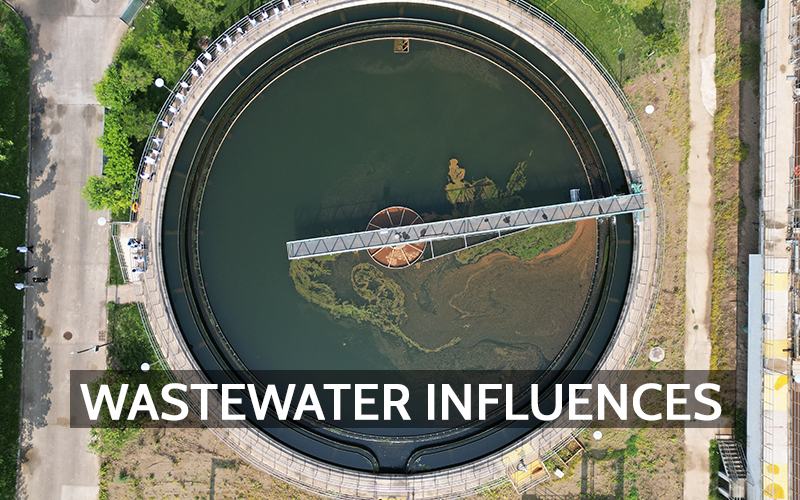
Cleaning Water Without Polluting the Air: How Wastewater Treatment Plants Protect Local Air Quality
Wastewater treatment plants protect local air quality by controlling emissions of odors, gases, aerosols, and volatile chemicals through containment, ventilation, and specialized air-treatment systems.
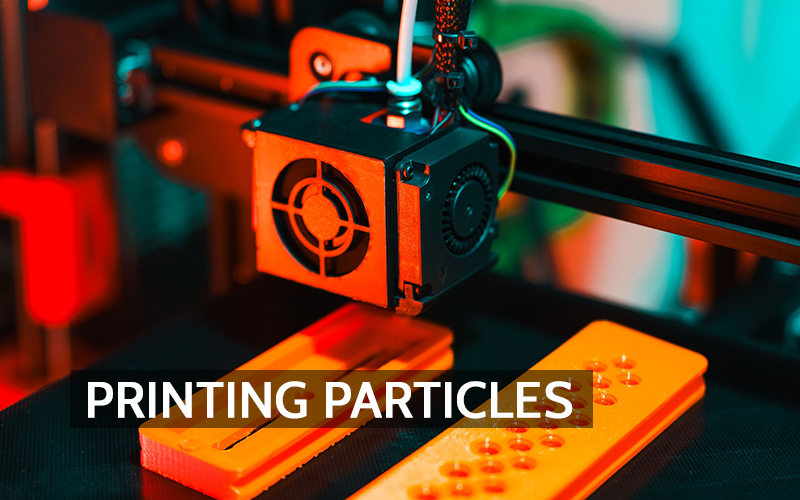
Tiny Particles, Big Questions: How 3D Printing Affects Indoor Air Quality
From desktop hobby printers to industrial manufacturing systems, 3D printing can release ultrafine particles and chemical vapors that make ventilation, filtration, and thoughtful workspace design essential for protecting indoor air quality.
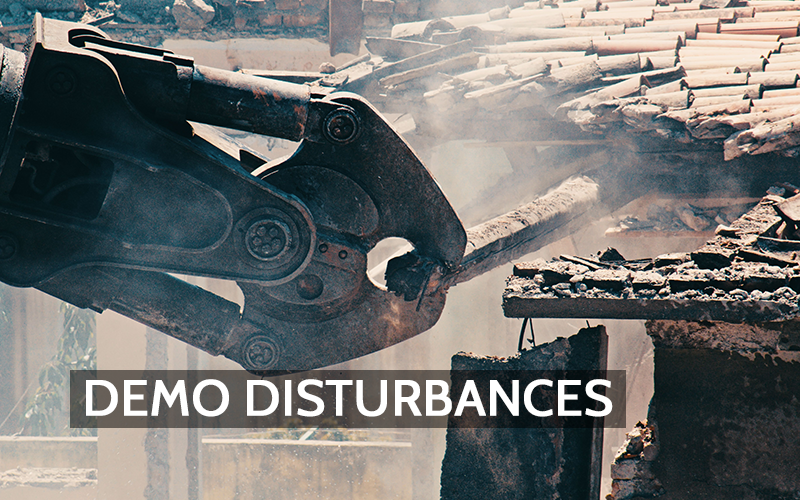
When Buildings Become Dust: How Demolition Affects Air Quality
Building demolition can significantly affect local air quality by releasing dust, exhaust, and hazardous materials, making careful planning, containment, and site-specific controls essential for protecting workers and surrounding communities.

More Than Grease and Wrenches: Understanding Air Quality in Auto Repair Shops
Auto repair shops contain a complex mixture of airborne hazards, including vehicle exhaust, metal fumes, brake dust, paint vapors, and chemical solvents that require ventilation, filtration, and specialized safety controls.
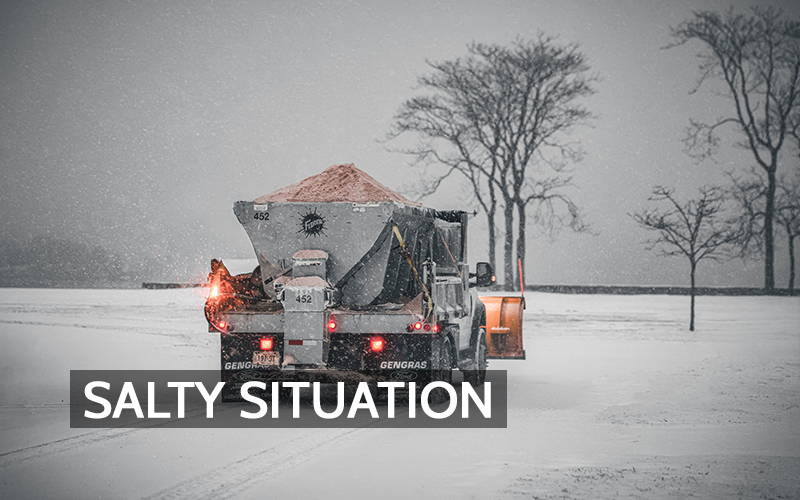
Salt in the Winter Air: How Road Deicing Influences Local Air Quality
Road salt and other winter deicing materials can become airborne after being crushed and disturbed by traffic, contributing to roadside particulate pollution and influencing local atmospheric chemistry.

Learning in Cleaner Air: How Schools Protect Indoor Air Quality
Schools protect children’s health and learning by improving ventilation, managing carbon dioxide, filtering airborne particles, controlling moisture, and reducing exposure to indoor and outdoor pollutants.
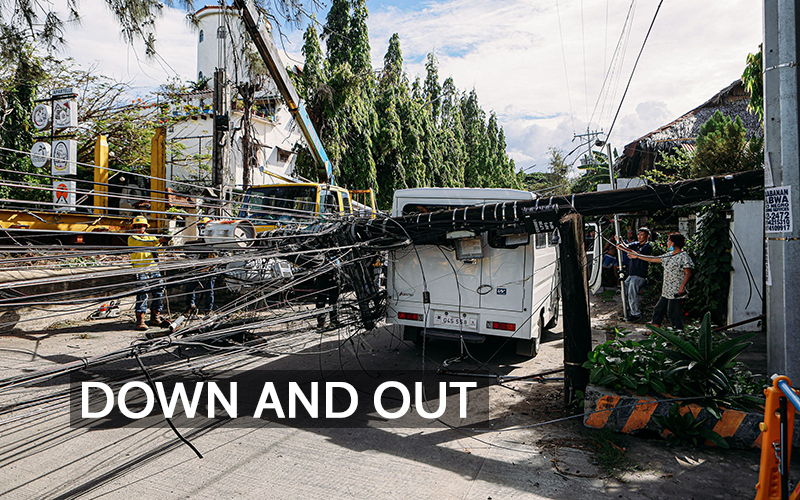
When the Power Goes Out: How Electrical Outages Can Affect Air Quality
Power outages can quickly alter indoor and neighborhood air quality by shutting down ventilation and filtration systems while increasing reliance on generators, combustion appliances, and other emergency sources of air pollution.

Under the Concrete: How Parking Garages Manage Air Quality
Parking garages rely on ventilation, air monitoring, and building design to prevent vehicle exhaust from accumulating and to protect drivers, workers, and nearby occupants from harmful air pollutants.

Breathing Abroad: How Travelers Can Prepare for Different Air-Quality Conditions
Travelers can reduce exposure to unfamiliar air-quality hazards by checking local conditions, preparing for smoke, dust, ozone, and allergens, and adjusting activities as conditions change.
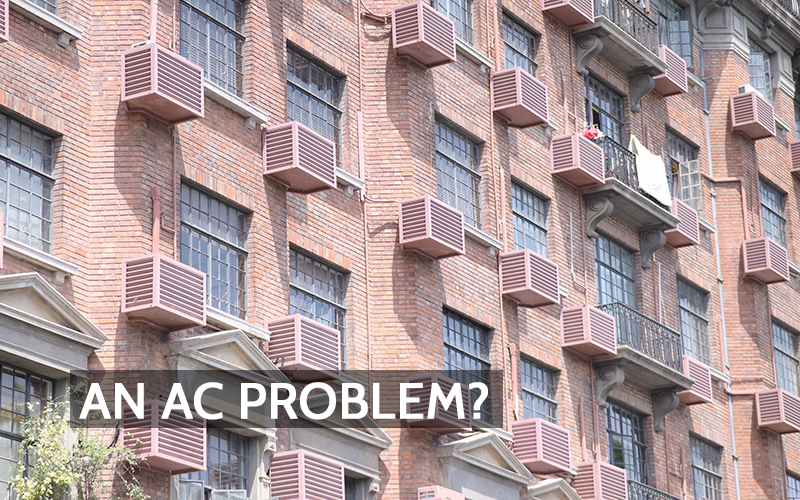
Cooling the Country: How Air Conditioning Influences Air Quality
Air conditioning can protect people from heat and outdoor pollution, but its electricity demand, waste heat, and refrigerant emissions can also influence air quality and climate locally and globally.

Summer Air: How to Protect Yourself When Air Quality Turns Unhealthy
Checking the AQI, adjusting outdoor activity, filtering indoor air, and preparing for wildfire smoke and extreme heat can help reduce exposure to unhealthy summer air.

Working for Cleaner Air: How to Build a Career in Air Quality
Careers in air quality range from environmental science and industrial hygiene to engineering, atmospheric research, and field instrumentation, offering multiple educational paths into a growing environmental field.

The Habits in the Air: How Social Norms Influence Air Quality
Everyday American habits—from driving and lawn care to fireplaces, cooking, and scented products—can quietly shape both indoor and neighborhood air quality.
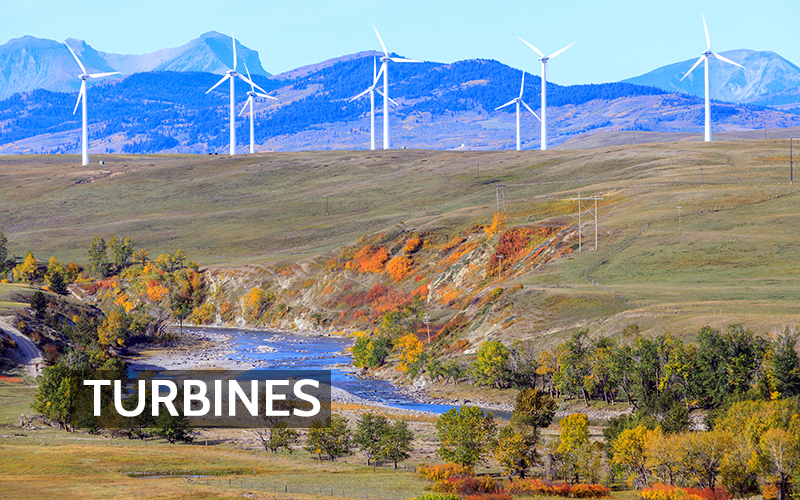
Power From Moving Air: How Wind Turbines Influence Air Quality
Wind turbines produce almost no direct air pollution while generating electricity, with their greatest air-quality benefit coming from reducing the need for combustion-based power generation.

Game Day Air: How Sporting Events Can Create Local Air-Quality Problems
Sporting events can create short-term air-quality problems from cooking smoke, traffic, pyrotechnics, dense crowds, and stadium designs that sometimes slow the dispersion of pollutants.

After the Flames: How a Fire-Damaged Home Is Remediated
Post-fire remediation requires professionals to stabilize the structure, remove water and soot, control odors and airborne contamination, restore damaged belongings, and verify that the home is safe to occupy.

From Rock to Sky: How Geological Processes Shape Atmospheric Chemistry
The atmosphere is often described as a mixture of gases produced by living organisms, human activity, and weather. However, the solid Earth also plays an important role in determining what the air contains. Volcanoes release gases from deep underground. Wind carries...

When the Landscape Holds Its Breath: How Mountains Influence Regional Air Quality
Mountains can trap pollution in valleys and basins, redirect smoke and urban emissions, and create sharp air-quality differences between lowlands, slopes, and high elevations.

Inside the Air Handler: How a Residential Air System Works
Residential air handlers use filters, blowers, coils, ducts, and controls to heat, cool, clean, and circulate indoor air, with routine homeowner maintenance helping the system operate safely and efficiently.
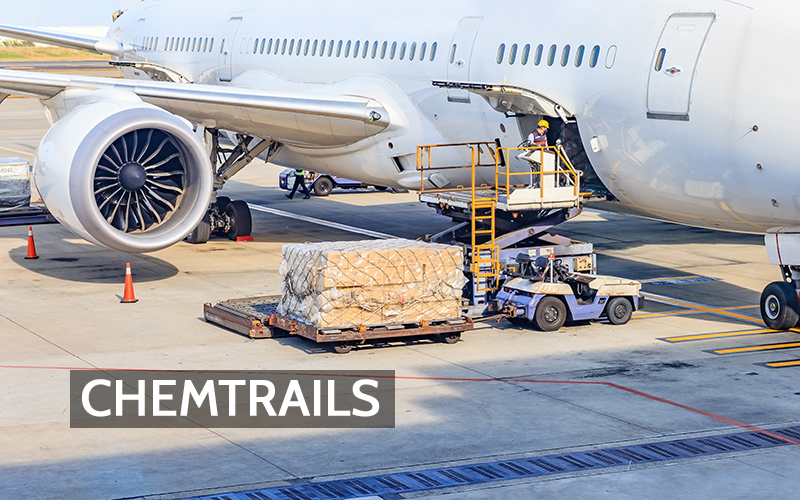
Clearing the Air Around Aviation: How Airlines Manage Their Emissions
Airlines reduce their air-quality impact through cleaner aircraft, efficient flight operations, sustainable fuels, electrified ground equipment, and regulations governing emissions around airports and in flight.
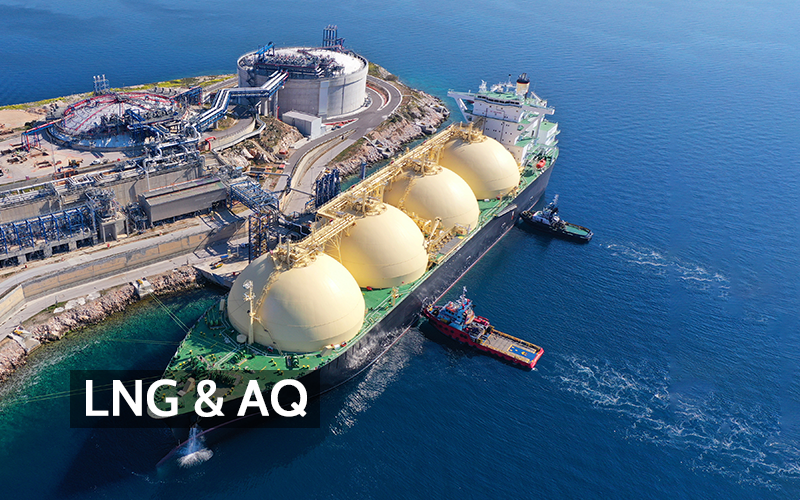
Gas Across the Ocean: How Liquefied Natural Gas Influences Air Quality
Liquefied natural gas can reduce sulfur and soot emissions compared with heavier fuels, but methane leaks, terminal operations, shipping, and consumer combustion still create important air-quality concerns.
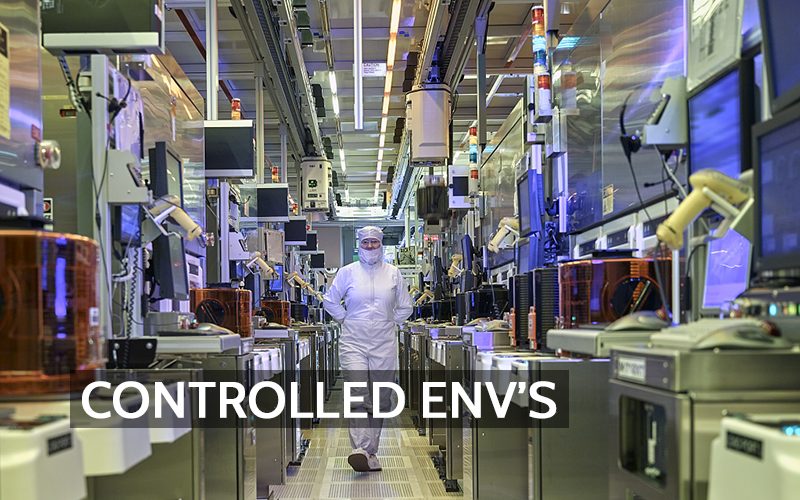
Cleaner Than Clean: How Air Quality Is Controlled in Manufacturing Cleanrooms
Cleanrooms control particles, microorganisms, airflow, pressure, temperature, and humidity to protect sensitive products, improve manufacturing consistency, and reduce risks to patients and workers.
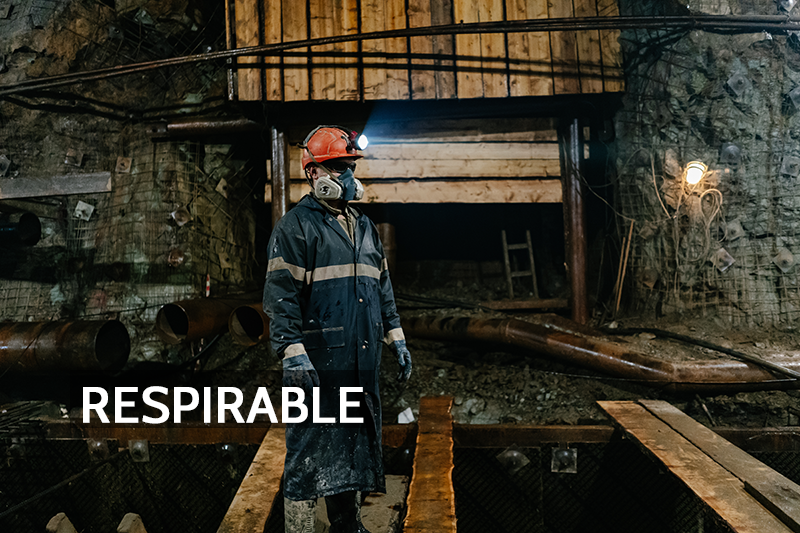
Respirable Dust in the Workplace: How the United States Regulates Exposure
Respirable dust can penetrate deep into the lungs, making exposure monitoring, engineering controls, respiratory protection, and federal oversight essential in industries such as construction, mining, and stone fabrication.
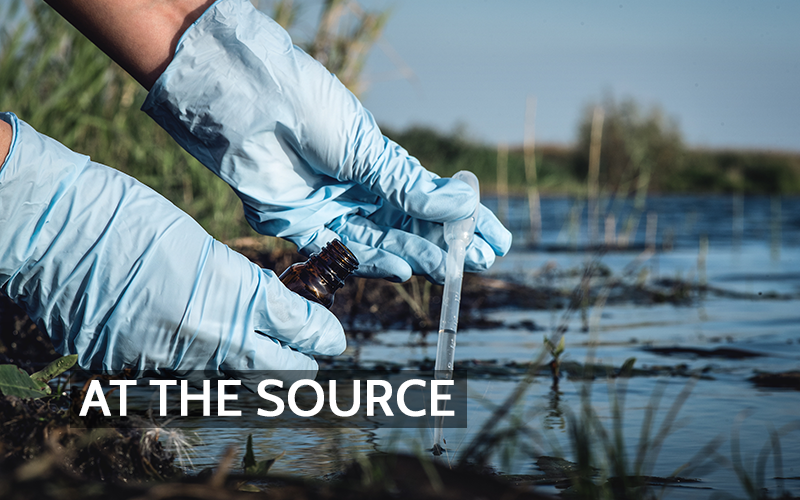
From Water to Air: How Local Water Quality Influences What We Breathe
Local water quality can influence nearby air by releasing gases, droplets, biological material, and contaminated dust, making water testing an important part of understanding environmental air pollution.

Reading the Chemical Fingerprints in Air: How Air Quality Is Tested
Air-quality testing uses filters, spectroscopy, chromatography, mass spectrometry, and chemical reactions to identify and measure the invisible particles and gases present in the atmosphere.
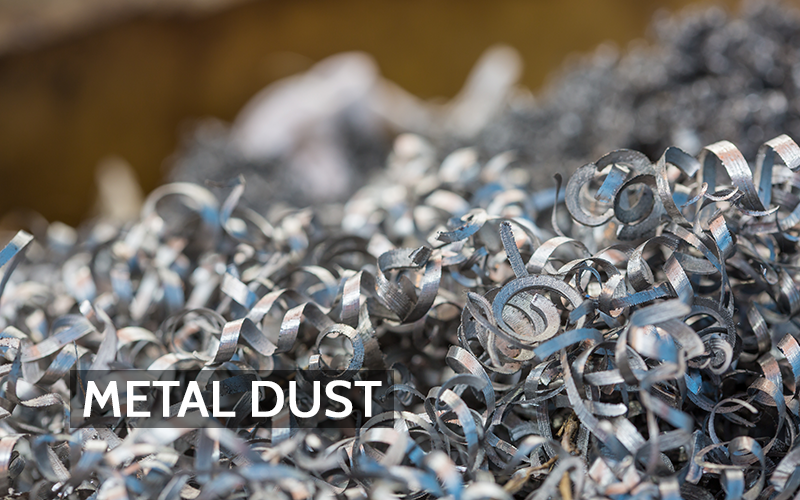
Metal in the Air: How Manufacturing Dust Affects Air Quality
Metal dust and fumes from manufacturing can harm workers, contaminate surrounding air, and create fire or explosion hazards, with risks varying by the metal and process involved.

The Living Air Above the Forest Floor: How Decay Influences Air Quality
Decaying leaves, wood, and other natural biomass can release fungal spores, biological particles, volatile chemicals, methane, and odors that influence the air above forests, wetlands, and other ecosystems.
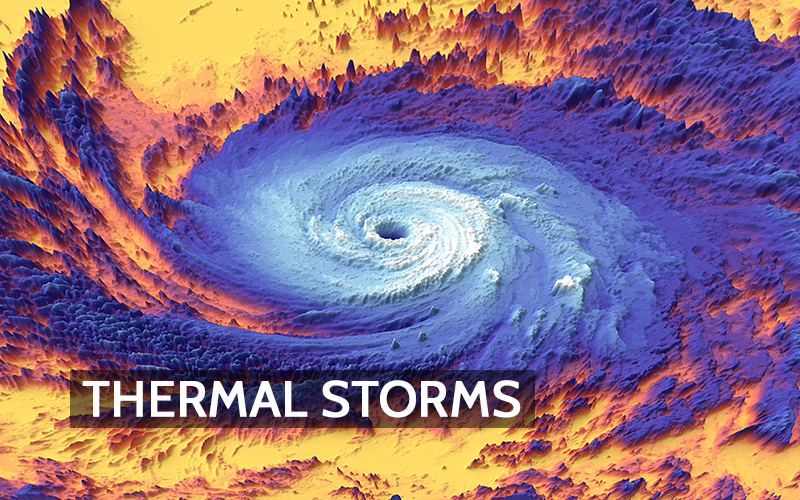
Thermal Fuel: How Temperature Drives Oceanic Storms
Differences in air temperature and heat stored in the ocean provide the moisture, instability, and energy that can turn ordinary weather disturbances into thunderstorms, winter cyclones, and hurricanes.
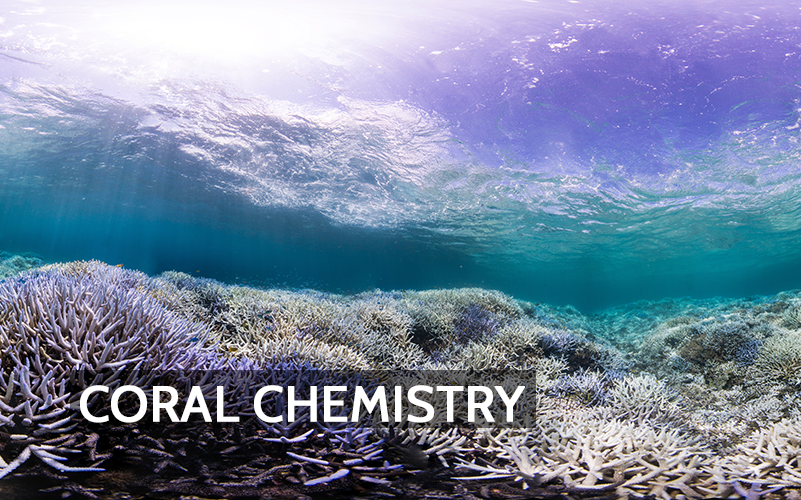
From Sky to Sea: How Atmospheric Chemistry Influences Coral Reefs
Atmospheric carbon dioxide, heat-trapping gases, airborne nutrients, and mineral dust can alter ocean temperature and chemistry, placing additional stress on coral reefs around the world.

Gas Stoves and Indoor Air Quality: What Cooking With a Flame Adds
Gas stoves provide familiar and responsive cooking heat, but without effective ventilation, their flames can release nitrogen dioxide, carbon monoxide, benzene and other pollutants into the air throughout a home.
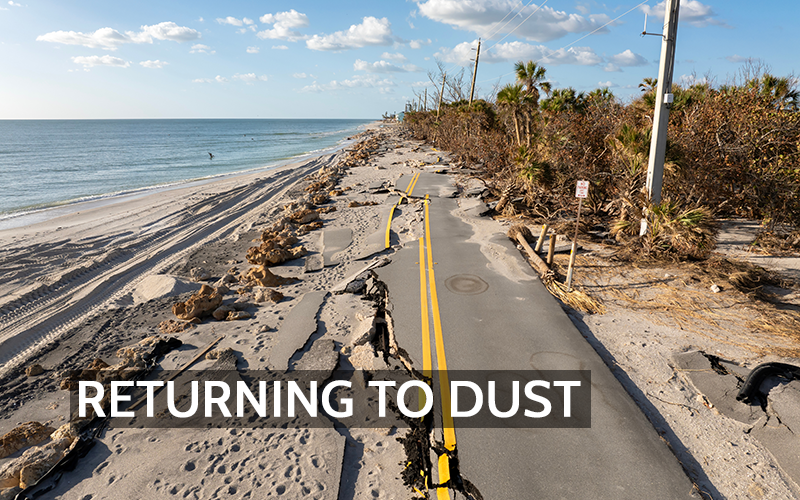
How Geological Erosion Shapes the Air We Breathe
From quartz-rich deserts and volcanic ash fields to glacial valleys and drying lakebeds, the geology beneath a landscape and the climate surrounding it determine what kinds of mineral particles eventually enter the air.
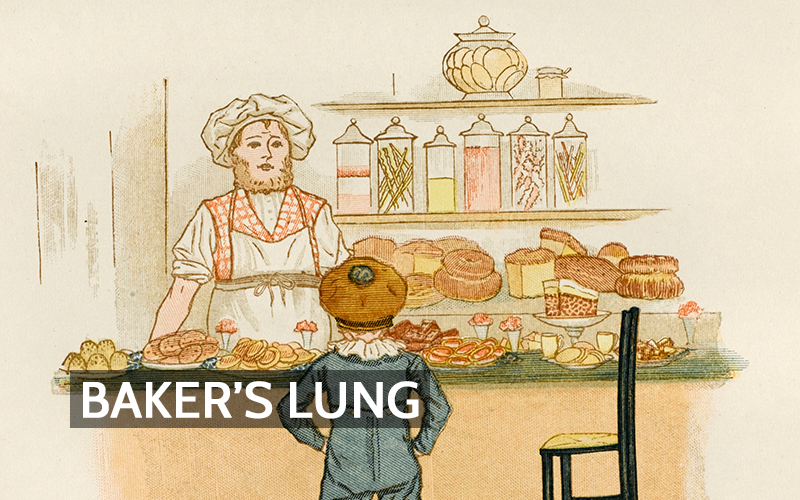
Baker’s Lung: The Airborne Cost of Victorian London’s Daily Bread
Victorian bakers faced devastating respiratory illness as flour dust, poor ventilation, extreme heat, and exhausting hours turned London’s daily bread into a serious occupational hazard.
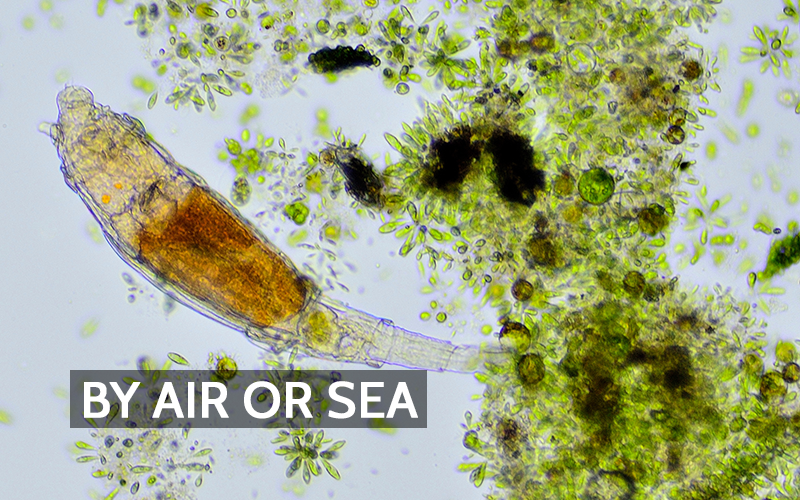
Rotifers on the Wind: How Microscopic Animals Travel Through the Air
Rotifers can survive drying, travel through the air on dust or as dormant eggs, and revive after landing in a suitable wet habitat.
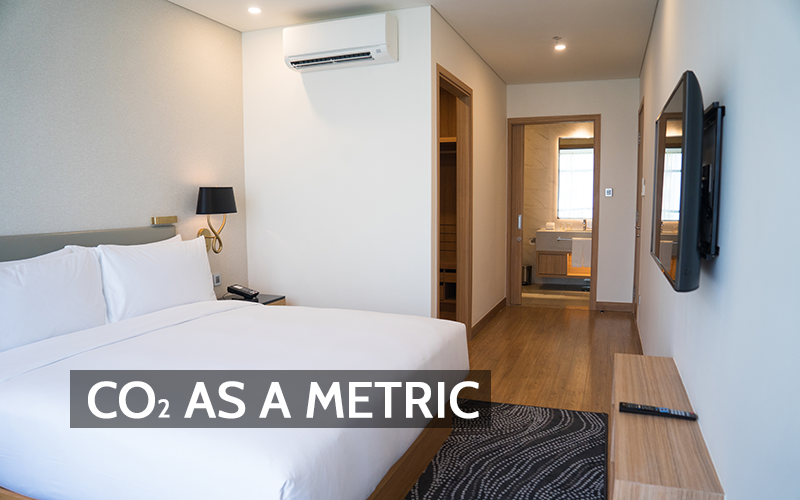
Using Carbon Dioxide to Understand Room Ventilation
Carbon dioxide monitoring can help hotels understand how well occupied rooms are ventilated, allowing them to improve guest comfort, identify mechanical problems, and adjust airflow more efficiently.

How Air-Quality Sensors Detect Pollution
Air-quality sensors use light, chemical reactions, electrical resistance, or infrared absorption to detect particles and gases, giving people a clearer view of pollution that is often invisible.
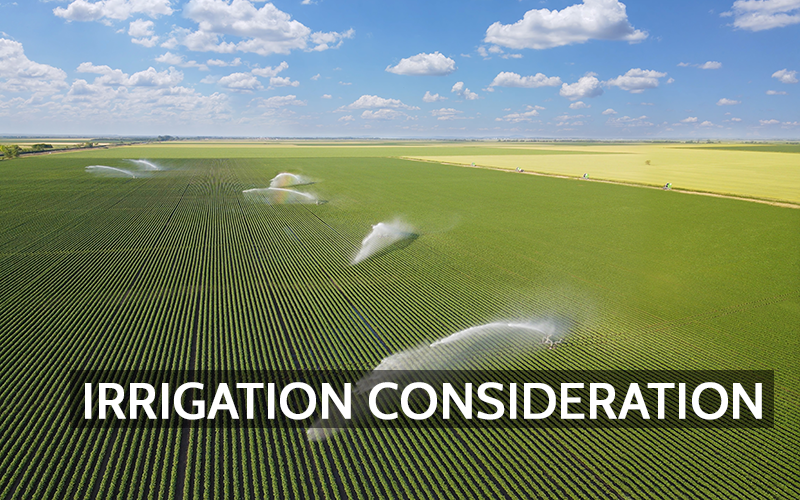
How Large-Scale Farm Irrigation Influences Air Quality
Large-scale farm irrigation can reduce windblown dust and support vegetation, but inefficient water use, diesel-powered pumps, salt buildup, and shrinking desert lakes can create new air-quality challenges.

How Open-Pit Mining Affects Air Quality and How Its Impacts Are Managed
Open-pit mining can release dust and diesel pollution into nearby communities, but careful planning, emission controls, monitoring, and land reclamation can significantly reduce its impact on air quality.
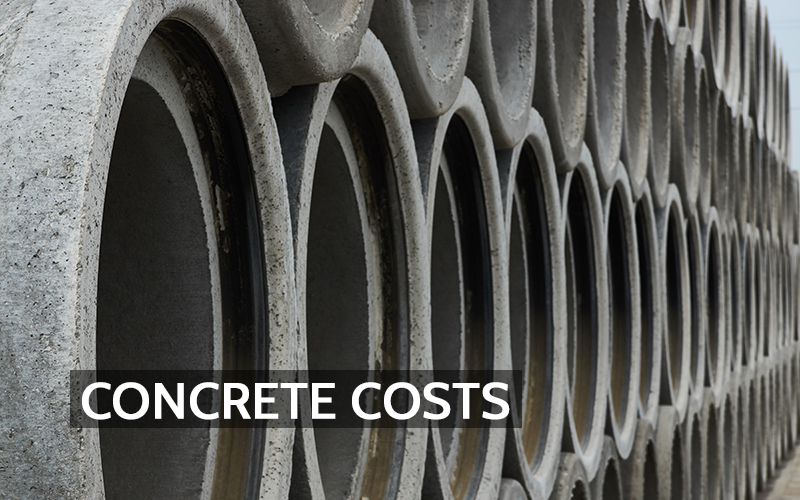
How Concrete Production, Construction, and Recycling Affect Air Quality
Concrete production, construction, and recycling can all affect air quality through dust, diesel emissions, and industrial pollutants, making proper controls essential for protecting nearby workers and communities.
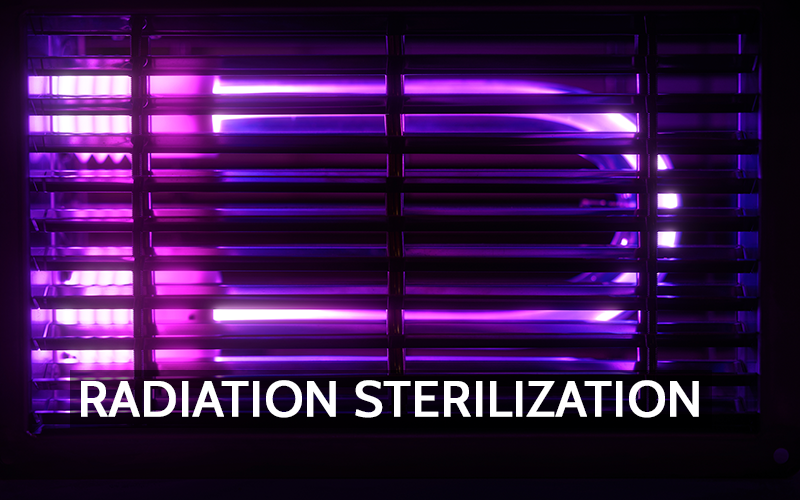
Shedding Light on Ultraviolet Air Sterilizers: How They Work and When They Don’t
Ultraviolet air sterilizers use UV-C light to inactivate airborne pathogens by damaging their DNA or RNA, making them effective tools for improving indoor air quality in medical, commercial, and residential settings. However, they have limitations, including ineffectiveness against particulate pollutants and chemical contaminants, and must be used alongside other filtration systems for optimal results.

Pantries and Larders: How Proper Ventilation and Climate Control Prevent Food Spoilage and Protect Indoor Air
Improper air quality in pantries and larders can lead to food spoilage, mold growth, and even indoor air pollution. By maintaining ideal humidity, temperature, and ventilation, homeowners can preserve food longer and create a healthier home environment.

Why the Arctic, Despite Its Remoteness, Faces an Air Pollution Problem
Despite its low population density, the Arctic Circle faces significant seasonal air pollution due to long-range transport of industrial emissions and increasing local activity like shipping and resource extraction. These pollutants—especially black carbon—accelerate ice melt, harm indigenous health, and contribute to global climate instability, making Arctic air quality a critical environmental concern.
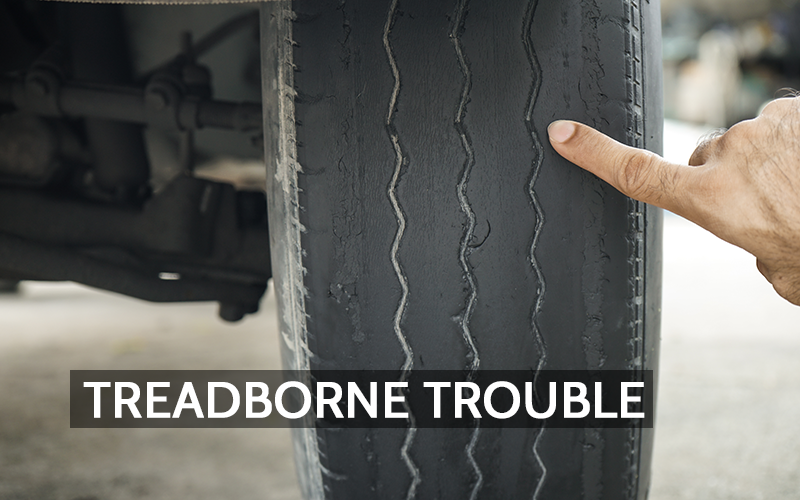
Invisible Emissions: Why Tire Particles Threaten Urban Air Quality
Tire tread wear is an underrecognized source of air pollution, releasing fine particles and microplastics that contribute to respiratory issues and environmental contamination. As electric vehicles grow in popularity and tire-derived emissions remain unregulated, addressing this form of non-exhaust pollution is critical for protecting urban air quality and public health.